
Living in an apartment with a dog can be a rewarding experience, but it does come with its own set of challenges. Many pet owners are navigating this lifestyle, and it’s important to find ways to keep your furry friend happy while being considerate of your neighbors. With a little planning and some smart strategies, you can create a comfortable home for your dog that also respects the shared space of your apartment community. This article will provide practical tips on dog training for apartment living to help you achieve that balance.
Key Takeaways
- Create a comfortable space for your dog with durable materials and cozy spots.
- Stick to a daily routine that includes regular exercise and playtime.
- Keep your dog mentally stimulated with toys and activities to prevent boredom.
- Be mindful of noise levels and help your dog adjust to apartment sounds.
- Engage with your neighbors and participate in community events to build positive relationships.
Creating A Dog-Friendly Space
Apartment living with a dog can be awesome! It just takes a little planning to make sure your furry friend is happy and comfortable. It’s all about creating a space that works for both of you.
Designing For Comfort
Think about your dog’s needs when setting up your apartment. Designate a specific area just for them. This could be a cozy corner with their bed, toys, and food/water bowls. Make sure it’s a quiet spot where they can relax and feel safe. My dog, Buster, loves his little den under the coffee table – it’s his safe space.
Choosing Durable Materials
Let’s be real, dogs can be messy! Opting for durable, easy-to-clean materials is a lifesaver. Think about things like:
- Hardwood or tile floors instead of carpet (easier to clean up accidents).
- Washable rugs and blankets.
- Furniture covered in microfiber or leather (more resistant to scratches and stains).
I learned this the hard way when I first got Buster. I had a beautiful white couch that lasted about a week before it was covered in muddy paw prints. Now, everything is dark-colored and super easy to wipe down.
Maximizing Vertical Space
Apartments are often short on space, so you gotta get creative! Vertical storage solutions are your best friend. Think about using shelves or wall-mounted organizers to store dog toys, leashes, and other supplies. This keeps things tidy and out of the way. You can even create a fun climbing area for your dog if they’re the adventurous type! I put up some floating shelves for Buster’s toys, and it’s been a game-changer.
Daily Routine And Exercise
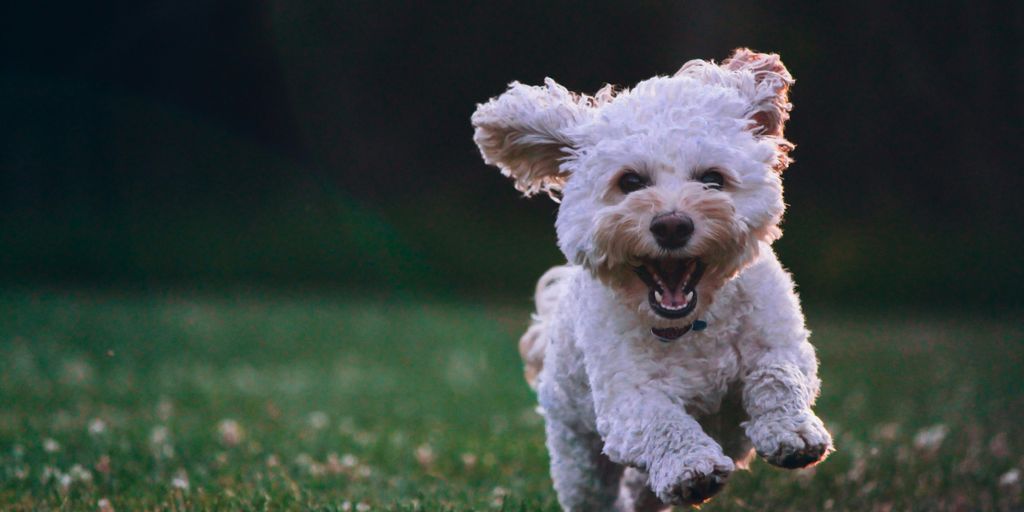
Dogs really do love a good schedule. It makes them feel secure and helps manage their energy levels, especially in an apartment setting. Let’s get into how to make that work for you and your furry friend.
Establishing A Consistent Schedule
A predictable schedule is super important for apartment dogs. It helps them know when to expect walks, meals, and playtime, which can reduce anxiety and unwanted behaviors. Try to stick to the same times each day, even on weekends. This will help your dog adjust and feel more comfortable in their environment. A good daily routine can make all the difference.
Incorporating Outdoor Time
Just because you live in an apartment doesn’t mean your dog can’t enjoy the great outdoors!
- Aim for at least two to three walks a day.
- Use these walks not just for potty breaks, but also for exploration and sniffing.
- Consider visiting a local dog park or trail for a change of scenery and additional exercise opportunities.
Remember, a tired dog is often a well-behaved dog. Outdoor time is crucial for their physical and mental well-being.
Engaging In Interactive Play
Even with outdoor time, apartment dogs need plenty of mental stimulation. Interactive play is a great way to achieve this. Here are some ideas:
- Puzzle toys: These challenge your dog’s problem-solving skills and keep them entertained for extended periods.
- Fetch: A classic game that can be adapted for indoor spaces using soft toys.
- Tug-of-war: A fun way to bond with your dog and provide a good workout. Just be sure to set clear rules and boundaries.
Consider doggy daycare or hiring a dog walker if you can’t provide enough exercise. A physically and mentally stimulated dog is less likely to bark and disrupt the peace.
Health And Wellness
It’s easy to forget about health and wellness when you’re dealing with apartment living, but it’s super important for your dog’s happiness and your peace of mind. Making sure your dog is healthy and happy will make apartment life way easier.
Prioritizing Regular Exercise
Daily exercise is non-negotiable, even in a small space. It’s not just about physical health; it’s a huge factor in their mental well-being too. If you can’t get outside as much as you’d like, think about indoor alternatives.
- Stair workouts (if your building allows and your dog is able).
- Indoor fetch with soft toys.
- Treadmill training (start slow and supervise closely).
Maintaining Mental Stimulation
Keeping your dog mentally stimulated is just as important as physical exercise. A bored dog is way more likely to be destructive or noisy, which is the last thing you want in an apartment. Puzzle toys are your best friend here. Rotate them regularly to keep things interesting. You can also try teaching new tricks or commands. Short training sessions throughout the day can make a big difference. Sniffing games are great too – hide treats around the apartment and let your dog use their nose to find them. This is a great way to provide mental stimulation.
Scheduling Veterinary Check-Ups
Regular vet visits are a must. Don’t skip those annual check-ups just because your dog seems fine. Vets can catch potential problems early, before they become big issues. Make sure your dog is up-to-date on all vaccinations and parasite preventatives. If your dog has any specific health concerns, like allergies or anxiety, work closely with your vet to manage them effectively. Preventative care is always better (and cheaper) than dealing with a full-blown health crisis.
It’s easy to let vet visits slide when life gets busy, but they’re a crucial part of responsible pet ownership. Think of it as an investment in your dog’s long-term health and happiness, and in your ability to enjoy a harmonious apartment life together.
Noise Management Strategies
Living in an apartment means being mindful of noise, especially with a dog. It’s not just about keeping the peace; it’s about creating a comfortable environment for everyone. I’ve learned a few tricks that have really helped.
Gradual Acclimation To Sounds
One of the first things I did was get my dog used to the common sounds of apartment living. This means slowly exposing them to things like doors slamming, elevators, and people walking by. I started by playing recordings of these sounds at a low volume and gradually increased it as my dog got more comfortable. It’s all about making those sounds less scary and more normal. This can be part of your daily routine.
Using Calming Music
Music can be a lifesaver! I’ve found that playing calming music, especially classical or ambient tunes, can really help to soothe my dog when they’re feeling anxious or restless. It acts like a white noise machine, masking sudden noises that might trigger barking. I usually put it on when I leave the apartment or during peak noise times.
Implementing Noise Reduction Techniques
Beyond just managing my dog’s reactions, I’ve also taken steps to reduce noise in general. This includes:
- Adding rugs and carpets to absorb sound.
- Using heavy curtains to block out external noise.
- Being mindful of my own noise levels, especially during quiet hours.
It’s about creating a buffer zone that minimizes the impact of noise on both my dog and my neighbors. I also made sure to teach my dog the "quiet" command. It took some time and patience, but now I can usually get them to stop barking with just a simple word. It’s been a game-changer for managing noise, especially during those unexpected moments. I also make sure to manage pet-related complaints quickly.
Community Engagement
Introducing Your Dog To Neighbors
Getting your dog acquainted with your neighbors is a smart move. It helps everyone feel more at ease. Start with brief, supervised introductions. Keep your dog on a leash and reward calm behavior with treats. Let your neighbors offer treats too, if they’re comfortable. This creates positive associations. If your dog is reactive, start with distance and gradually decrease it as they become more comfortable. Remember, slow and steady wins the race.
Participating In Dog-Friendly Events
Look for dog-friendly events in your area. These could be anything from park meetups to organized walks or even pet-friendly store openings. These events are great for socializing your dog and letting them burn off some energy. Plus, it’s a chance for you to meet other dog owners and build connections. Before attending, make sure your dog is comfortable in crowds and around other dogs. Always keep them leashed and be mindful of their behavior. If they seem stressed or overwhelmed, it’s okay to leave early.
Building Positive Relationships
Building positive relationships with your neighbors is key to happy apartment living. It’s about being considerate and proactive. Here are some ways to do it:
- Always clean up after your dog in shared spaces.
- Keep your dog under control in hallways and elevators.
- Be mindful of noise levels, especially during quiet hours.
- Offer a friendly greeting and a smile – it goes a long way!
By taking the time to introduce your dog, participate in community events, and be a considerate neighbor, you can create a welcoming environment for both you and your furry friend. This not only makes apartment living more enjoyable but also helps to prevent potential conflicts and build a strong sense of community. Remember that managing aggressive dog behavior is important for positive interactions.
Understanding Your Dog’s Needs
It’s super important to really know your dog, especially when you’re living in an apartment. What works for one dog might be a total disaster for another. It’s all about figuring out what makes your furry friend tick.
Recognizing Personality Traits
Every dog is different. Some are total couch potatoes, happy with a short walk and lots of naps. Others need to run and play for hours to burn off energy. Understanding your dog’s energy level, temperament, and quirks is the first step to making apartment life work. Is your dog super social, or do they prefer their own company? Do they get anxious easily? Knowing these things will help you tailor their environment and routine to keep them happy and calm. For example, a shy dog might need a quiet corner to retreat to when things get overwhelming, while a social butterfly will thrive on visits to the dog park.
Tailoring Training Approaches
Not all training methods are created equal. What works for a confident, food-motivated Labrador might not work for a sensitive, easily distracted Chihuahua. You might need to try a few different approaches to find what clicks with your dog. Positive reinforcement is usually a good place to start – rewarding good behavior with treats, praise, or toys. But some dogs respond better to gentle guidance and redirection. If your dog is anxious, focus on building their confidence with trust and teamwork and desensitization exercises. If they’re stubborn, you might need to be extra patient and consistent. The key is to be flexible and adapt your training to your dog’s individual needs and learning style.
Adapting To Apartment Life
Apartment living presents unique challenges for dogs. They have less space to roam, they’re exposed to more noises and distractions, and they might not have easy access to a yard. It’s up to you to create an environment that meets their needs and minimizes stress. This might mean setting up a cozy den where they can relax, providing plenty of mental stimulation with puzzle toys, and taking them on regular walks to burn off energy. It’s also important to follow pet policies and be considerate of your neighbors. A little bit of planning and effort can go a long way in making apartment life a happy and fulfilling experience for your dog.
Living in an apartment with a dog requires a bit more thought and effort, but it’s totally doable. The most important thing is to be mindful of your dog’s individual needs and to create an environment that supports their physical and mental well-being. With a little bit of planning and patience, you can create a happy and harmonious home for both you and your furry friend.
Pet Etiquette In Shared Spaces
Following Pet Policies
It’s super important to know the rules! Read your apartment complex’s pet policy carefully. These policies aren’t just suggestions; they’re there to make sure everyone, including your furry friend, has a good living situation. They cover things like breed restrictions, weight limits, and where your dog can and can’t go. Ignoring these rules can lead to some serious problems, like fines or even having to move out. So, take the time to understand the pet policies and stick to them.
Being Mindful Of Noise Levels
Living in an apartment means sharing walls, floors, and ceilings with your neighbors. That means you need to be aware of how much noise your dog is making. Constant barking, especially when you’re not home, can be a major source of stress for those around you. Try to train your dog to be quiet on command, and if they’re prone to barking when you’re away, consider things like doggy daycare or puzzle toys to keep them occupied. A tired dog is often a quieter dog.
Respecting Neighbor Spaces
Just like you want your neighbors to respect your space, it’s important to do the same for them. This means keeping your dog on a leash in common areas, even if they’re super friendly. Not everyone loves dogs, and some people might be afraid or allergic. Always clean up after your dog, no matter where they go. Nobody wants to step in a mess, and it’s just good manners. Also, be mindful of shared amenities like hallways and elevators. Keep your dog close to you, and try to avoid letting them sniff or jump on other residents. It’s all about creating a positive living environment for everyone.
Living in close quarters requires a bit of extra consideration. By being mindful of your dog’s behavior and how it affects your neighbors, you can help create a harmonious community where everyone feels comfortable and respected.
When sharing spaces with pets, it’s important to follow some basic rules to keep everyone happy. Always clean up after your pet and keep them on a leash in public areas. Respect others by keeping your pet calm and friendly. If you’re unsure about how to handle a situation, check out our website for more tips on pet etiquette and training resources!
Final Thoughts on Apartment Dog Living
Living in an apartment with a dog can be a great experience if you put in the effort. By understanding your dog’s needs and keeping them active and engaged, you can create a happy home for both of you. Remember to think about your neighbors too; a little consideration goes a long way. With some planning, training, and a few adjustments, you can make apartment life enjoyable for your furry friend and keep the peace with those around you. So, go ahead and embrace the joys of apartment living with your pup!
Frequently Asked Questions
How can I make my apartment comfortable for my dog?
Create a cozy spot with a bed and toys. Use easy-to-clean materials for furniture and floors to handle any messes.
What should I include in my dog’s daily routine?
Make sure to have a regular schedule for feeding, walks, and playtime. This helps your dog know what to expect.
How can I keep my dog healthy in an apartment?
Regular exercise is key. Take your dog for walks and play with them daily. Also, keep their mind active with toys.
What can I do to reduce noise from my dog?
Gradually get your dog used to different sounds. Use calming music or white noise to help them relax.
How can I help my dog get along with neighbors?
Introduce your dog to neighbors slowly and keep them on a leash. Make sure your dog behaves well during interactions.
What are some good pet etiquette tips for apartment living?
Follow your building’s pet rules, be mindful of noise, and clean up after your dog. Respect your neighbors’ space.