
Taking your dog on car rides can be a fun experience, but if your furry friend isn’t used to it, it can lead to stress for both of you. Learning how to train a dog for car rides is essential for making these trips enjoyable. With some patience and the right approach, you can help your dog feel comfortable and safe in the car. Let’s dive into some essential tips to make car travel a breeze!
Key Takeaways
- Introduce your dog to the car slowly and positively.
- Use treats and praise to reinforce good behavior during car time.
- Create a comfortable environment with familiar scents and items.
- Gradually increase the duration of car rides to build confidence.
- Always prioritize safety by securing your dog properly during travel.
Creating Positive Associations With The Car
It’s all about making the car a happy place for your dog! We want them to associate the car with good things, not scary trips to the vet. The goal is to change their perception of car rides from something to fear to something to look forward to.
Introduce Your Dog To The Car Gradually
Don’t just throw your dog in the car and expect them to be okay. Start slow. First, just let them sniff around the outside of the car. Then, open the door and let them hop in and out on their own. The key is to let them explore at their own pace. Don’t force anything. If they seem nervous, back off and try again later. We want to build confidence, not create anxiety.
Use Treats And Praise
Food is a great motivator! Every time your dog interacts with the car in a positive way – sniffing, getting in, sitting calmly – reward them with a treat and lots of praise. Make it a party! Use high-value treats that they don’t get at any other time. This will help them associate the car with something special and rewarding. Verbal praise is also important. A simple "Good dog!" or "Yes!" can go a long way.
Incorporate Familiar Items
Bring things that smell like home. A favorite blanket, a well-loved toy, or even an old t-shirt of yours can make the car feel less scary and more familiar. These items provide comfort and security, helping to reduce anxiety. I usually bring travel restraints and my dog’s favorite toy. It’s like bringing a little piece of home with you on the road.
Think of it like this: you’re creating a positive and safe space for your dog in the car. By taking things slow, using rewards, and incorporating familiar items, you can help them overcome their fear and learn to enjoy car rides.
Establishing A Comfortable Environment
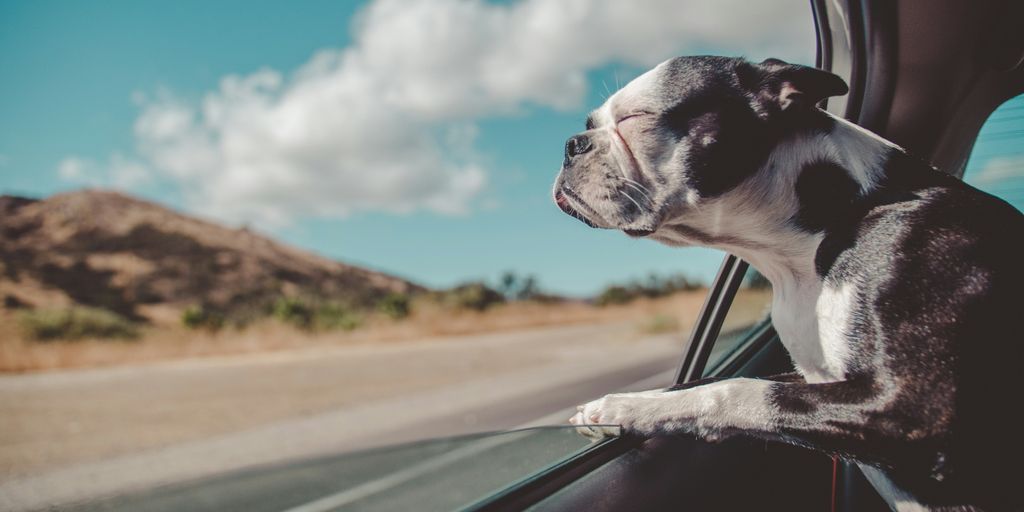
It’s super important to make the car a chill zone for your dog. If they associate the car with good things, they’re way less likely to get stressed out during rides. Think of it as creating a little den for them on wheels.
Use A Crate For Safety
Using a crate is a great way to provide a secure and familiar space for your dog during car rides. It’s like their own little travel pod! Make sure the crate is properly secured so it doesn’t slide around. A crate can really help reduce anxiety because it gives them a safe spot to retreat to. It’s also a good idea to get them used to the crate before you even put it in the car.
Include Familiar Scents
Bring along things that smell like home. A blanket, a favorite toy, even an old t-shirt of yours can work wonders. These familiar scents can be super comforting and help your dog feel more at ease in unfamiliar environments. It’s all about making the car feel less like a scary new place and more like a cozy extension of their home.
Play Calming Music
Did you know that music can have a big impact on your dog’s mood? Try playing some calming tunes during car rides. Classical music or even specially designed dog-calming playlists can help soothe their nerves. Avoid anything with a heavy beat or loud noises, as that could have the opposite effect.
Think about it – if you’re stressed, listening to relaxing music can help you calm down, right? It’s the same for dogs. Experiment with different types of music to see what works best for your furry friend. You might be surprised at how much of a difference it makes.
Gradually Increasing Ride Duration
Start With Short Trips
Okay, so your dog is cool with just hanging out in the car. Awesome! Now it’s time to actually go somewhere. But don’t jump into a cross-country road trip just yet. Start super small. Think a quick spin around the block. The goal here is to make sure your dog stays relaxed during movement. Lots of praise and maybe a small treat when they’re being good. Keep these initial trips short and sweet – you want to end on a positive note, before any anxiety kicks in. Repeat these short drives daily, if you can. This helps build a routine and gets your dog used to the motion without freaking out. Remember, we’re building confidence, not causing chaos.
Monitor Your Dog’s Behavior
As you start increasing the length of your car rides, keep a close eye on your dog. Are they panting a lot? Are they restless, or whining? These are signs that they might be getting stressed. If you see these signs, don’t push it! Go back to shorter rides for a bit. It’s all about finding that sweet spot where they’re comfortable. If they’re calm and relaxed, great! You can gradually increase the time. But always be observant. Every dog is different, and you need to adjust your approach based on their individual reactions. Maybe try calming sprays if you notice signs of anxiety.
Reward Calmness During Rides
Positive reinforcement is key here. When your dog is calm during the car ride, reward them! This could be with treats, praise, or a favorite toy. The important thing is that they associate being calm in the car with something good. This helps to create a positive association with car rides. The more they’re rewarded for being calm, the more likely they are to repeat that behavior. Don’t overdo it with the treats, though – you don’t want a car-sick pup! A little goes a long way. And remember, praise can be just as effective as food. Make sure your dog knows you’re happy with their behavior. You can even use a safety harness to make them feel more secure.
Implementing Safety Measures During Travel
Okay, so you’re getting ready to actually drive somewhere with your dog. Awesome! But before you even think about turning the key, let’s talk safety. It’s not just about keeping your dog safe; it’s about keeping you and everyone else on the road safe too. A loose dog in a car can be a major distraction, and in the event of an accident, they’re at serious risk.
Secure Your Dog Properly
The best way to keep your dog safe is to secure them. Think about it: you wear a seatbelt, right? Your dog needs something similar. There are a few options here. You could use a secured crate – make sure it’s properly secured so it doesn’t slide around. Or, you could use a dog seatbelt or harness that attaches to the car’s seatbelt system. I’ve seen some people just let their dogs roam free, but honestly, that’s a recipe for disaster. Not only is it dangerous, but it can also be illegal in some places.
Avoid Feeding Before Travel
This might seem a little weird, but trust me on this one. Just like humans, dogs can get carsick. And a full stomach makes it way worse. So, try to avoid feeding your dog a big meal right before you hit the road. A small snack is okay, but definitely don’t give them their usual breakfast or dinner. If you’re going on a long trip, feed them a few hours before you leave, or plan to feed them during a longer stop. It’s all about minimizing the chances of a messy situation. Nobody wants to clean up dog vomit on the side of the highway.
Make Frequent Stops
Imagine being stuck in a car for hours with no bathroom breaks. Not fun, right? Well, your dog feels the same way. Plan to make frequent stops, especially on longer trips. Every two to three hours is a good rule of thumb. This gives your dog a chance to stretch their legs, relieve themselves, and get some fresh air. Plus, it’s a good opportunity for you to take a break and recharge too. Look for grassy areas where your dog can do their business, and always keep them on a leash. And don’t forget to bring a collapsible water bottle so they can stay hydrated!
Using Calming Aids For Anxious Dogs
Sometimes, despite our best efforts, some dogs just don’t take to car rides. If your dog is showing signs of serious anxiety, it might be time to consider some extra help. Don’t feel bad if you need to go this route – it’s all about making your dog as comfortable as possible.
Consider Natural Supplements
There are a bunch of natural supplements out there that some owners swear by. Things like chamomile, valerian root, and L-theanine are often used to help calm dogs down. You can find these in treat form or as drops you add to their food. It’s always a good idea to chat with your vet before starting any new supplement, just to make sure it’s safe for your dog and won’t interact with any medications they’re already on. Some owners have found calming treats helpful for longer trips.
Explore Anxiety Vests
Anxiety vests, like the ThunderShirt, apply gentle, constant pressure to your dog’s torso. This can have a swaddling effect, which many dogs find comforting. It’s kind of like giving them a hug all the time. They’re pretty easy to find online or at pet stores. Make sure you get the right size for your dog, and introduce it to them gradually before using it on a car ride.
Consult Your Vet For Options
If natural supplements and anxiety vests aren’t cutting it, it’s time to talk to your vet. They might recommend prescription medications to help manage your dog’s anxiety. There are a few different options, and your vet can help you figure out which one is best for your dog’s specific needs. It’s important to do a trial run before a big trip, since individual dogs respond differently. Your vet can help you create an individual plan for general travel tips and car rides without stress or nausea.
Remember, every dog is different, and what works for one might not work for another. It might take some trial and error to find the right combination of calming aids that helps your dog feel safe and relaxed in the car. Be patient, and don’t give up!
Maintaining Consistency In Training
Consistency is super important when you’re trying to get your dog comfortable with car rides. It’s not a one-time thing; it’s something you need to keep up with to see real progress. Think of it like teaching a kid to ride a bike – you wouldn’t just do it once and expect them to be pros, right?
Stick To A Routine
Try to make car rides a regular part of your dog’s life, even if they’re short. Maybe a quick trip to the park once a week, or even just a drive around the block. The more predictable it is, the less anxious they’ll be. It’s all about building that positive reinforcement and making it a normal thing.
Gradually Extend Distances
Don’t jump straight into a cross-country road trip! Start small and slowly increase the length of your car rides. If your dog is doing well with 5-minute drives, bump it up to 10, then 15, and so on. Pay attention to their body language – if they start getting anxious, dial it back a bit.
Be Patient And Observant
Every dog is different, and some might take longer to adjust than others. Be patient and don’t get discouraged if you don’t see results right away. Watch your dog closely for signs of stress or anxiety, and adjust your training accordingly. It’s a process, and it’s okay to take things at their pace. Remember, the goal is to make car rides a positive experience for them, not a source of stress. It’s all about dog aggression management.
Making Car Rides Exciting
It’s easy for car rides to become just another boring part of the day for your dog. But what if you could make them something your dog actually looks forward to? It’s all about creating positive experiences and associations. The goal is to transform the car from a source of anxiety into a mobile adventure!
Vary Destinations
Don’t just drive to the vet or the groomer! Mix it up. Take your dog to the park, a friend’s house, or even just a new neighborhood to explore. The more variety, the less likely they are to associate car rides with negative experiences. Think of it as expanding their world, one car ride at a time. Introducing new, slightly longer destinations, such as a different park or a pet store, can prevent your dog from becoming anxious about a specific path.
Incorporate Fun Activities
Car rides don’t have to be passive. If your dog is comfortable, try some simple games. Practice basic commands like "sit" or "stay" during stops. Bring a favorite toy for them to chew on (if they don’t get carsick). The key is to keep them engaged and entertained.
Use Positive Reinforcement
Treats, praise, and affection go a long way. Reward your dog for calm behavior during the ride. If they’re relaxed and quiet, let them know you appreciate it! This reinforces the idea that good things happen when they’re in the car. Consider using delicious treats to further enhance this experience. Reward your dog each time they show interest in the car.
Turning car rides into something fun and exciting takes time and patience. Don’t get discouraged if your dog doesn’t immediately love it. Keep experimenting with different approaches and find what works best for your furry friend. The effort is worth it when you can enjoy stress-free adventures together.
Car rides can be a lot of fun if you know how to make them exciting! Try playing games like "I Spy" or creating a playlist of your favorite songs to sing along to. You can also bring along some snacks and plan fun stops along the way. Want more tips on how to make every car trip an adventure? Visit our website for more ideas!
Wrapping It Up
Getting your dog used to car rides doesn’t have to be a headache. With a little patience and some smart steps, you can turn those stressful trips into fun adventures. Start slow, make the car a comfy spot, and always reward good behavior. Remember, it’s all about keeping things positive and adjusting to your dog’s pace. Before you know it, you’ll both be ready to hit the road without any worries. So pack up, buckle in, and enjoy the ride together!
Frequently Asked Questions
How can I help my dog feel comfortable in the car?
Start by letting your dog explore the car when it’s not moving. Use treats and their favorite toys to create a fun atmosphere. Gradually introduce them to sitting inside the car.
What should I do if my dog gets anxious during car rides?
If your dog shows signs of anxiety, like shaking or panting, consider using calming aids like anxiety vests or pheromone sprays. Always take breaks during long trips.
Is it safe to let my dog roam freely in the car?
No, it’s not safe. Always secure your dog with a pet seatbelt or in a crate to keep them safe and prevent distractions while driving.
How can I make car rides more enjoyable for my dog?
Make the car a fun place by bringing their favorite blanket or toy. Change your destinations to keep things interesting and rewarding.
What should I do if my dog refuses to get into the car?
Use treats and encouragement to help them feel comfortable. If they are still hesitant, take a step back and try to make the car more inviting.
How often should I take my dog on car rides for training?
Try to take short car rides regularly, gradually increasing the duration as your dog becomes more comfortable. Consistency is key!