
Teaching your dog to come when called isn’t just a neat trick—it’s essential for their safety and your peace of mind. Whether they’re chasing after a squirrel or wandering too close to a busy street, a reliable recall can prevent potential accidents. Plus, it strengthens the bond between you and your furry friend. But how do you get started? This guide will walk you through the steps of teaching dog recall, from laying the groundwork to overcoming common challenges and even incorporating advanced techniques.
Key Takeaways
- Start recall training in a safe, controlled environment to minimize distractions.
- Consistency and patience are key; practice regularly to reinforce the behavior.
- Use high-value rewards to encourage your dog to come to you.
- Gradually introduce distractions to improve your dog’s recall reliability.
- Consider professional training for additional guidance and support.
Building a Strong Foundation for Dog Recall
Understanding Your Dog’s Motivation
Every dog is unique, with different quirks and interests. Understanding what makes your dog tick is the first step in recall training. Some dogs are food-driven, while others might respond better to toys or praise. Knowing what motivates your dog can make all the difference. Try different rewards to see what works best. You might even discover that your dog loves a game of fetch more than a treat. Observing their reactions to various stimuli will help you tailor the training to suit their personality.
Creating Positive Associations
The key to effective recall is creating positive associations with the command. Start by calling your dog’s name in a cheerful tone. When they look at you, use a specific recall word and reward them for coming. This positive reinforcement helps establish a reliable response. Remember, the goal is to make coming back to you the most exciting thing in their world. Keep the sessions short and fun, and always end on a high note. This way, your dog will associate the recall with good things.
Choosing the Right Recall Command
Selecting a recall command is more important than you might think. The word should be distinct and easy for your dog to recognize. Avoid using common words that might be heard in everyday conversation. Instead, choose something unique. You might even want to invent a word that only you and your dog understand. Consistency is key, so stick to the same word every time. This will help your dog understand that when they hear this command, it’s time to come back to you.
Building a strong foundation in recall training isn’t just about teaching a command; it’s about strengthening the bond between you and your dog. With patience and the right approach, you’ll set the stage for success.
Step-by-Step Guide to Teaching Dog Recall

Mastering the Name Game
Before jumping into recall training, start with the Name Game. This is all about getting your dog to pay attention when you call their name. It’s the first step to a responsive dog. You can do this by saying their name and rewarding them when they look at you. Keep it fun and light, and make sure they know their name means something good is coming.
Foundation Recall Techniques
Now, let’s get into the basics. Begin with your dog on a leash in a quiet area. Throw a treat a short distance, let them fetch it, and when they look back at you, take a few steps back. This encourages them to come to you. Use a word like "come" or "here" consistently. Repeat this until they get the hang of it. Remember, consistency is key.
Introducing Recall Cues
Once your dog is responding well, it’s time to introduce recall cues. When they look at you after fetching the treat, say their name followed by the recall word. Keep backing up to encourage them to follow you. This helps them associate the cue with the action. Gradually, they’ll understand that coming to you means good things happen.
"Teaching recall isn’t just about commands; it’s about building a relationship where your dog trusts and wants to come to you."
For more tips on effective recall training, effective recall training for dogs can be a helpful resource.
Overcoming Common Recall Challenges
Dealing with Distractions
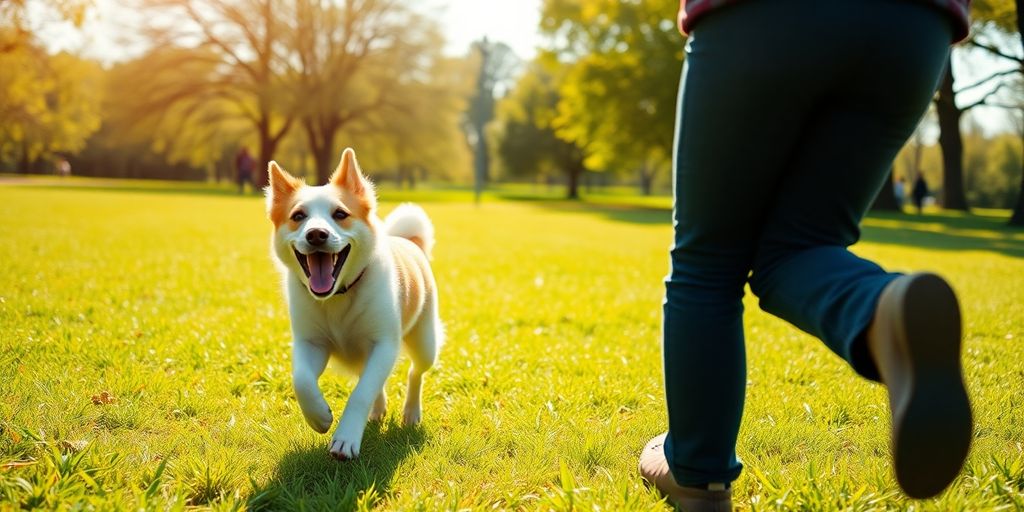
Training your dog to come when called can be tough, especially when there are distractions around. Dogs are naturally curious, and things like other animals, people, or even interesting smells can grab their attention. Start by identifying what catches your dog’s eye the most. These distractions can be ranked from 1 to 10, with 10 being the most distracting. Begin training in a quiet place and slowly add these distractions as your dog gets better at responding to the recall. This gradual approach helps your dog stay focused and responsive even in challenging situations.
Addressing Slow Responses
A slow response to a recall command can be frustrating. It often means your dog isn’t motivated enough to come back quickly. To fix this, use high-value rewards like their favorite treats or toys. Make sure these rewards are only given when they respond promptly. Also, keep the training sessions short and fun to maintain their interest. Aim for about 20 successful recalls in a five-minute session, repeated three times a day. This repetition and positive reinforcement can speed up their response over time.
Handling Ignored Commands
Sometimes, dogs just ignore the recall command altogether. This could be due to overuse of the command or calling them at the wrong moments. Avoid using the recall word outside of training sessions until you’re confident they will respond. If your dog ignores you, resist the urge to repeat the command multiple times as it can diminish its effectiveness. Instead, go back to basics and reinforce the recall command in a controlled environment. Consistency is key here. Only move to more challenging situations once your dog reliably responds in simpler settings.
Remember: The goal of recall training is not just obedience but building a strong, trusting relationship with your dog. Embrace the journey, knowing that your efforts will lead to a more enjoyable and safer experience for both of you.
Advanced Techniques for Reliable Recall
Gradual Introduction of Distractions
When teaching your dog to come when called, distractions can be a big hurdle. Start by identifying what might draw your dog’s attention away during training. This could be anything from other animals to noises or interesting smells. Rate these distractions from 1 to 10, with 10 being the most distracting. Begin training in an environment with minimal distractions and gradually increase the challenge as your dog becomes more reliable.
Using Games to Reinforce Recall
Games can make recall training fun and effective. Try playing hide and seek with your dog. Hide in a safe area and call your dog, rewarding them when they find you. Another game is "fetch and recall," where you toss a toy and call your dog back before they reach it. These games not only enhance recall but also strengthen your bond with your dog.
Transitioning to Off-Leash Training
Once your dog is responding well to recall commands on a leash, you can start practicing off-leash. Choose a safe, enclosed space for these sessions. Begin with short distances and gradually increase them as your dog shows success. Remember, patience is key. If your dog struggles, go back to using a leash and work on the basics before trying off-leash again.
Reliable recall is about consistency and patience. It’s not just about getting your dog to come back; it’s about building trust and understanding between you and your furry friend. Take it slow, and celebrate the small victories along the way.
Integrating positive reinforcement training into these techniques can make the process more enjoyable and effective for you and your dog. With time and dedication, you’ll have a dog that comes running every time you call.
Maintaining and Enhancing Recall Skills
Consistent Practice and Reinforcement
Keeping your dog’s recall sharp is all about regular practice. Repetition is key. Try to incorporate recall commands into everyday activities. For instance, call your dog during walks or before meal times. This keeps the command familiar and ensures your dog remains responsive. Aim for around 20 successful recalls per five-minute session, three times a day. That’s about 60 successful recalls daily, which helps reinforce the behavior.
Adapting to New Environments
Dogs can get used to responding well in familiar settings, but throw them into a new environment, and all bets are off. It’s important to practice recall in different locations. Start in a quiet park, then move to busier areas as your dog becomes more confident. Gradually increase the distance between you and your dog to test their ability to hear and obey commands from further away. This gradual increase in distance is a great way to improve puppy recall training. Remember, patience is vital, and every dog adapts at their own pace.
Incorporating Recall into Daily Routine
Make recall a natural part of your dog’s day. Use it when calling your dog for meals, playtime, or even when it’s time to leave the house. This not only reinforces the command but also makes it a normal part of their routine. Try to keep the tone positive and rewarding, so your dog associates coming to you with good things.
Maintaining recall skills isn’t just about commands—it’s about building a lasting bond with your dog. With patience and consistency, you can enjoy a reliable recall that keeps your furry friend safe and happy.
The Role of Professional Training in Dog Recall
Benefits of Professional Guidance
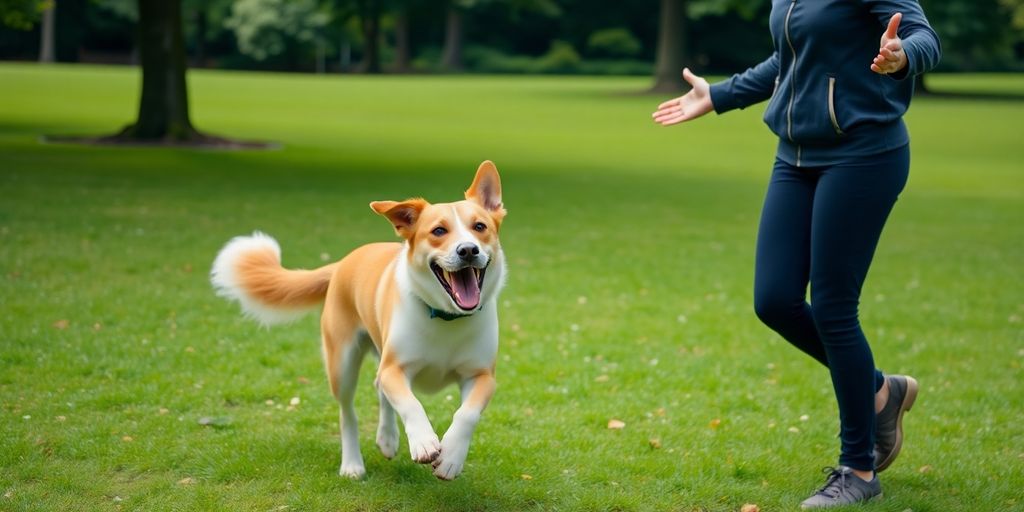
When it comes to teaching your dog recall, sometimes a little help from the pros can make all the difference. Professional trainers offer personalized advice tailored to your dog’s unique needs. They bring a wealth of experience and can spot issues you might miss, making the training process smoother and more effective. Plus, they often have access to specialized tools and methods that can give your dog a leg up in learning.
Choosing the Right Training Program
Selecting the right training program is crucial. Look for programs that emphasize positive reinforcement and have a solid track record of success. It’s wise to ask for recommendations, read reviews, and even observe a class if possible. Consider the specific needs of your dog—some might benefit from group sessions, while others do better with one-on-one attention.
Integrating Professional Tips at Home
After working with a trainer, it’s important to keep the momentum going at home. Incorporate the techniques you’ve learned into your daily routine to reinforce your dog’s recall skills. Consistency is key, so make sure everyone in your household is on the same page. This means using the same commands and rewards to avoid confusing your dog. Over time, these efforts will help solidify the training and make recall a natural part of your dog’s behavior.
Professional training isn’t just about teaching your dog; it’s about building a stronger bond between you and your furry friend. By learning together, you both grow, creating a harmonious and happy relationship.
Professional training plays a crucial role in teaching your dog to come when called. It not only helps your furry friend learn this important command but also strengthens the bond between you two. If you want to ensure your dog responds reliably, consider enrolling in a training course that focuses on positive methods. For more tips and resources on dog training, visit our website!
Conclusion
So, there you have it! Teaching your dog to come when called isn’t just a neat trick—it’s a lifesaver. Whether they’re about to dash into traffic or just sniffing around the backyard, having a reliable recall can make all the difference. It’s not just about safety, though. This training builds trust and strengthens the bond between you and your furry friend. Remember, it’s all about patience and consistency. Keep practicing, keep rewarding, and soon enough, your dog will be running to you with a wagging tail every time you call. Happy training!
Frequently Asked Questions
How long does it usually take to teach a dog to come when called?
The time it takes can vary based on your dog’s age, personality, and past training. Some dogs pick it up in a few weeks, but getting it perfect in all settings might take a few months of steady practice.
Can older dogs learn to come when called?
Yes, older dogs can learn recall just as well as puppies. It might take a bit more patience and consistency, but with positive reinforcement, they can master it.
What if my dog only comes to me when I have treats?
Start by using treats and then slowly switch to other rewards like praise or playtime. This helps your dog learn to come even if you don’t have a treat.
How can I make recall training more fun for my dog?
Try using games like hide-and-seek or the chase game. These keep your dog interested and make learning fun.
What should I do if my dog ignores the recall command?
If your dog ignores you, try using a happier tone or offer a better reward. Avoid repeating the command too much. Instead, make coming to you more exciting.
Can professional training help with recall?
Yes, professional trainers can offer special tips and techniques that might be helpful, especially if you’re facing challenges.