
Training your dog doesn’t have to be a battle of wills. With positive reinforcement training, you can teach your furry friend new tricks and good behaviors in a fun and stress-free way. This method focuses on rewarding your dog for doing the right thing, which makes them more likely to repeat those actions. Not only does this make training more enjoyable for both of you, but it also helps to build a stronger bond. Let’s dive into the key takeaways of why positive reinforcement training is the way to go.
Key Takeaways
- Positive reinforcement training focuses on rewarding good behavior, making dogs more eager to learn.
- This method helps strengthen the bond between you and your dog, fostering trust and understanding.
- It reduces stress and anxiety in dogs, creating a happier training environment.
- Consistency and timing are crucial for effective positive reinforcement training.
- Unlike punishment-based methods, positive reinforcement encourages long-lasting behavioral changes.
Understanding the Basics of Positive Reinforcement Training
The Science Behind Positive Reinforcement
Positive reinforcement training is all about rewarding dogs for good behavior, which makes them want to repeat those actions. This method is rooted in scientific principles of behaviorism. When a dog does something right, and you give them a treat or praise, their brain releases dopamine, a chemical that makes them feel good. This reinforces the behavior, making it more likely they’ll do it again. It’s like a win-win situation for both you and your dog.
Key Principles to Follow
- Timing is Everything: Reward your dog immediately after they perform the desired behavior. If you wait too long, they might not connect the reward with the action.
- Consistency is Key: Always reward the behavior you want to encourage. This helps your dog understand exactly what you expect from them.
- Use High-Value Rewards: Choose treats or toys that your dog loves. The more they like the reward, the more motivated they’ll be.
Common Misconceptions
- It’s Not Just About Treats: While treats are a big part of positive reinforcement, don’t forget about verbal praise and affection. Dogs love hearing "good job" in an enthusiastic tone.
- No Need for Punishment: Some people think you need to punish bad behavior, but positive reinforcement focuses on encouraging good behavior instead. This approach helps build a stronger bond between you and your dog.
- Works for All Dogs: Some might think this method only works for certain breeds or ages, but positive reinforcement can be effective for any dog. It’s all about finding what motivates your specific dog.
Positive reinforcement training is about understanding and communicating with your dog in a way that makes learning enjoyable for them. It’s a method that not only teaches but also strengthens the bond between you and your furry friend.
Benefits of Positive Reinforcement Training for Dogs
Building a Stronger Bond
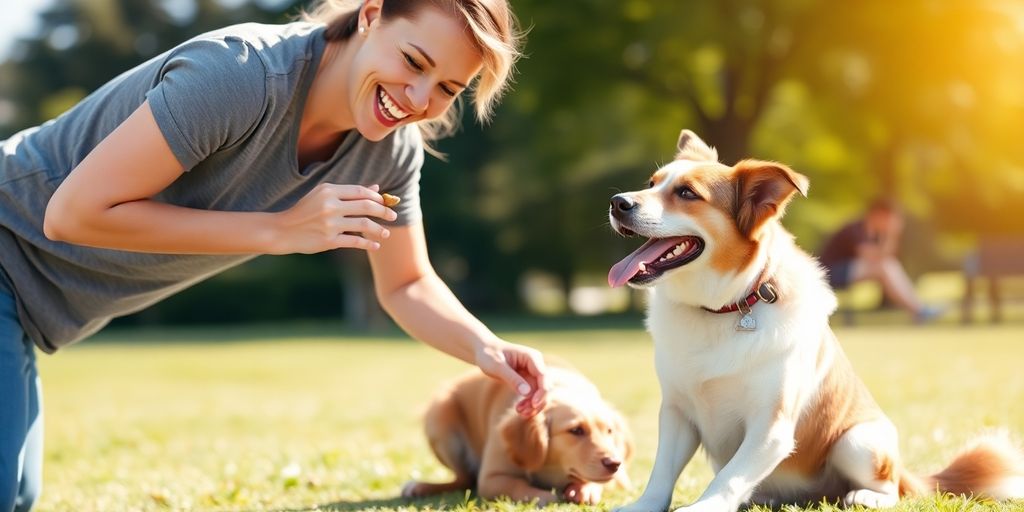
Positive reinforcement training is all about creating a happy and respectful relationship with your dog. When you reward your dog for good behavior, you’re not just teaching them tricks—you’re building trust and understanding. Dogs start to see their owners as a source of joy rather than a source of stress. Over time, this leads to a bond that’s both strong and affectionate. It’s like when you and your dog are on the same wavelength, and it just feels right.
Encouraging Good Behavior
This training method makes it easier to teach your dog how to behave well. By consistently rewarding the actions you want to see, your dog learns what’s expected. It’s not about avoiding punishment; it’s about choosing the right behavior because it feels good. Dogs are more likely to repeat actions that earn them treats, praise, or playtime. It’s a win-win situation where your dog gets to enjoy rewards, and you get a well-behaved pet.
Reducing Stress and Anxiety
Using positive reinforcement can help reduce your dog’s stress and anxiety. When dogs know they’re doing something right, they feel more secure and less anxious. This method creates a calm and happy environment, which is especially important for dogs that might be nervous or shy. Instead of fearing punishment, your dog learns that training is a fun and rewarding experience.
"Positive reinforcement training opens the door to your dog’s mind, allowing you to understand each other better and creating a stress-free learning environment."
For more on how these techniques can improve your dog’s behavior and well-being, check out the resources at TeachDog.com.
Implementing Positive Reinforcement Techniques
Choosing the Right Rewards
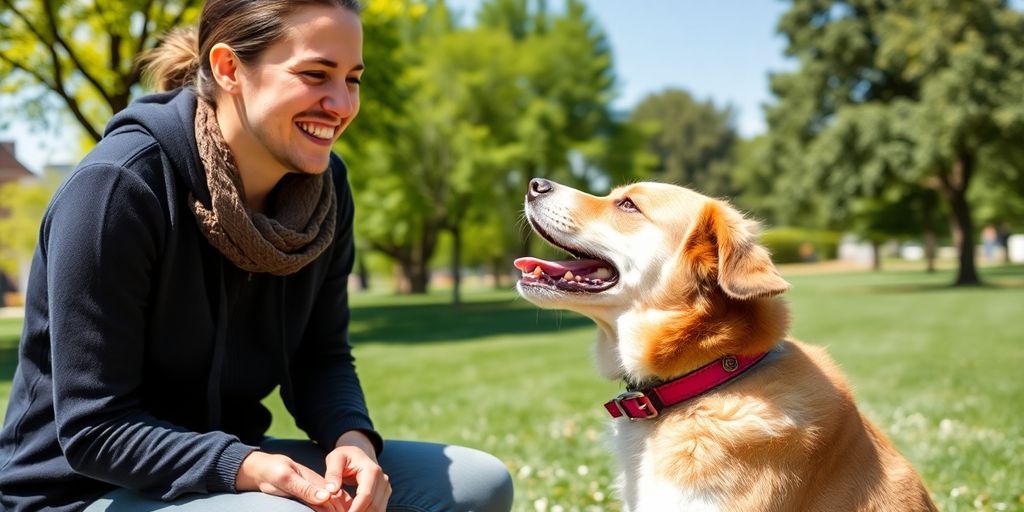
When it comes to training your dog, picking the right rewards is crucial. You want to use something your dog finds irresistible. Think about small, soft treats like bits of chicken or cheese. These are easy to eat quickly, so you can keep the training session moving. Toys and playtime can also be great rewards, especially if your dog isn’t motivated by food.
- High-value treats: Use small, soft treats that your dog finds irresistible, such as small pieces of chicken, cheese, or their favorite commercial treat.
- Verbal praise: Offer enthusiastic verbal praise, such as “Good job!” or “Yes!” in a happy, encouraging tone.
- Toys & playtime: Reward your dog with their favorite toy or initiate a short play session as a reward for good behavior.
Timing and Consistency
Timing is everything in positive reinforcement. You gotta reward your dog right after they do something good, ideally within a few seconds. This helps them connect the dots between their action and the reward. Consistency is also key. If you reward them every time they do the right thing, they’ll start to understand what’s expected of them.
Consistency in training helps your dog learn faster and builds a stronger bond between you and your furry friend.
Avoiding Common Pitfalls
Even with the best intentions, it’s easy to slip up. One common mistake is not being consistent with rewards. If you sometimes reward a behavior and sometimes don’t, it can confuse your dog. Also, make sure not to rely solely on treats. Mix it up with praise and play to keep things interesting. Avoid using punishment-based techniques, as they can harm the bond you’re trying to build.
- Be consistent with rewards to avoid confusion.
- Don’t rely solely on treats; use a variety of rewards.
- Avoid punishment-based techniques to maintain a positive relationship.
By focusing on rewarding good behavior and maintaining consistency, you’ll find that training your dog becomes a rewarding journey for both of you.
Comparing Positive Reinforcement to Traditional Training Methods
Why Positive Reinforcement is More Effective
Positive reinforcement, a method that focuses on rewarding good behavior, is a game-changer in dog training. Unlike traditional methods that rely on punishment, positive reinforcement builds a dog’s confidence and encourages them to make better choices. By associating good behavior with rewards, dogs learn faster and with more enthusiasm. This approach not only teaches obedience but also strengthens the bond between you and your furry friend. When dogs are rewarded, they feel motivated to repeat the behavior, leading to long-lasting results. In essence, positive reinforcement is about creating a happy and stress-free learning environment.
The Downside of Punishment-Based Training
Traditional training methods often involve punishment and negative feedback to correct unwanted behaviors. While this might seem effective in the short term, it can have lasting negative effects on a dog’s mental health. Dogs trained with punishment may develop anxiety, fear, or aggression, making them less likely to trust their owners. Fear-based training can lead to a breakdown in communication between you and your dog, as they may become too scared to try new things. In contrast, positive reinforcement promotes a more open and trusting relationship.
Long-Term Benefits for Your Dog
The benefits of positive reinforcement extend beyond immediate obedience. Dogs trained with this method tend to be more confident and well-adjusted. They are more likely to engage in complex tasks and learn new commands with ease. Positive reinforcement encourages your dog to think independently and make decisions based on positive outcomes. This method not only improves behavior but also fosters a deeper understanding between you and your pet. Over time, you’ll notice a more harmonious relationship, where your dog is eager to learn and explore. By choosing positive reinforcement, you’re investing in a happier, healthier future for your dog. For more on how modern dog training uses positive reinforcement, check out this method.
Real-Life Success Stories of Positive Reinforcement Training
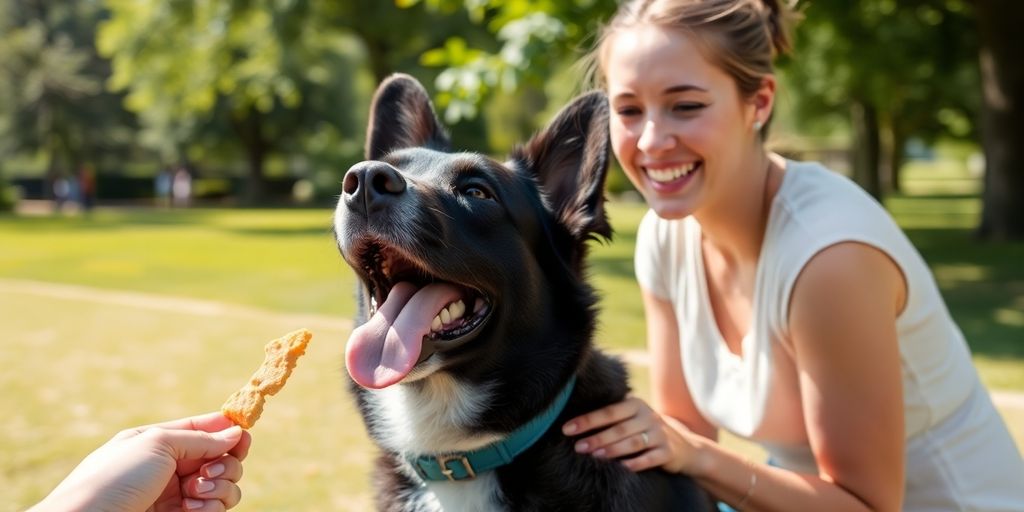
Positive reinforcement training has worked wonders for many dogs, turning challenging behaviors into positive actions. Take the case of a spirited mini poodle named Vraja Vilasini. Initially struggling with confidence and adapting to human life, Vraja transformed into a well-adjusted companion through consistent positive reinforcement. Her journey illustrates how rewarding good behavior fosters trust and understanding.
Another story involves a once-aggressive German Shepherd who learned to socialize and become gentle through patient training. By associating positive experiences with desired behaviors, this dog now interacts peacefully with other pets and people.
Dog owners often share their joy and relief when positive reinforcement turns their pets’ behavior around. Here are a few highlights:
- "Our rescue dog was terrified of strangers. With positive reinforcement, she’s now greeting guests with a wagging tail."
- "I never thought my hyperactive Labrador could learn to calm down, but treats and praise did the trick!"
- "My stubborn bulldog finally listens, all thanks to consistent rewards."
These stories show that patience and the right techniques can lead to amazing changes.
Experts in dog training emphasize the importance of understanding your dog’s unique needs. Here are some tips to get the most out of positive reinforcement:
- Identify High-Value Rewards: Find out what motivates your dog—be it a special treat, toy, or affection.
- Be Consistent: Always reward the desired behavior promptly to reinforce learning.
- Stay Patient: Dogs learn at their own pace; persistence is key.
"Consistency and patience are the cornerstones of successful positive reinforcement training. Every dog is different, but with time, they all respond to love and rewards."
Positive reinforcement not only changes behavior but also builds a stronger bond between you and your furry friend.
Getting Started with Positive Reinforcement Training
Embarking on the journey of positive reinforcement training with your dog is not just about teaching commands but about building a deeper connection. Let’s break down the steps to get started.
Setting Realistic Goals
Before diving into training, it’s crucial to set achievable goals. Start with simple commands like "sit" or "stay" and gradually increase the complexity as your dog masters each one. Remember, patience is your best friend here.
- Begin with basic commands.
- Progress to more complex behaviors.
- Adjust goals based on your dog’s pace.
Creating a Training Plan
A structured plan is essential for consistency. Determine the training sessions’ frequency and duration. Typically, short, frequent sessions work best to keep your dog engaged without overwhelming them.
- Schedule regular training times.
- Keep sessions short and fun.
- Mix up activities to maintain interest.
Finding Professional Guidance
Sometimes, you might need a little extra help. Seeking professional guidance can provide you with tailored strategies and insights. Consider reaching out to Teach Dog’s expert advice for personalized tips and answers to your questions.
Starting with positive reinforcement training is like opening a new chapter in your relationship with your dog. It’s not just about obedience; it’s about mutual understanding and respect. Embrace the process and watch your bond grow stronger every day.
If you’re ready to start training your dog using positive reinforcement, visit our website for helpful tips and resources! Discover how to make learning fun for your furry friend and strengthen your bond. Don’t wait—check it out now!
Conclusion
Wrapping things up, positive reinforcement training isn’t just a method—it’s a whole new way to connect with your dog. It’s like learning a new language together, one that’s all about trust and understanding. When you reward your dog for good behavior, you’re not just teaching them tricks; you’re building a bond that’s based on mutual respect and love. Sure, it takes time and patience, but the payoff is huge. You’ll see your dog not just obeying commands, but actually enjoying the process. And let’s be honest, who doesn’t want a happy, well-behaved dog? So, grab those treats, keep your voice cheerful, and get ready to see some amazing results. Happy training!
Frequently Asked Questions
What is positive reinforcement training?
Positive reinforcement training is a method where you reward your dog for good behavior. This helps them learn what actions are good and encourages them to repeat those actions.
Why is timing important in positive reinforcement?
Timing is key because you need to give the reward right after the good behavior. This helps your dog connect the action with the reward, making it more likely they’ll do it again.
Can all dogs learn with positive reinforcement?
Yes, all dogs can learn with positive reinforcement. It’s a method that works for any age, breed, or size because it focuses on rewarding good actions.
What are some common rewards used in this training?
Common rewards include treats, toys, verbal praise, and petting. The idea is to use something your dog loves to encourage them to keep up the good work.
How does positive reinforcement differ from traditional training?
Traditional training often uses punishment, while positive reinforcement focuses on rewards. This makes learning fun and stress-free for your dog.
What should I do if my dog isn’t responding to rewards?
If your dog isn’t responding, try different rewards or check if the timing is right. Sometimes, changing the reward to something your dog loves more can make a big difference.