
Life gets busy, right? It’s easy to think you don’t have enough time to properly train your dog. But what if I told you that you can make real progress with just a few minutes each day? It’s true! You don’t need hours of training sessions to build a great relationship with your dog and teach them good manners. The trick is to be smart about how you use those small pockets of time. We’ll explore how to train a dog in minutes a day, making it work for your schedule and your dog’s needs. Let’s get started on building a happier, better-behaved pup, one short session at a time.
Key Takeaways
- Consistent, short training sessions are more effective than infrequent long ones for busy owners.
- Start with basic commands like ‘sit,’ ‘stay,’ and ‘come’ to build a strong communication foundation.
- Positive reinforcement, like treats and praise, is the most effective way to motivate your dog.
- Adapt training to your dog’s age, energy level, and personality for the best results.
- Addressing common behavior issues like barking or chewing can be done with short, consistent training efforts.
Establishing Your Daily Training Routine
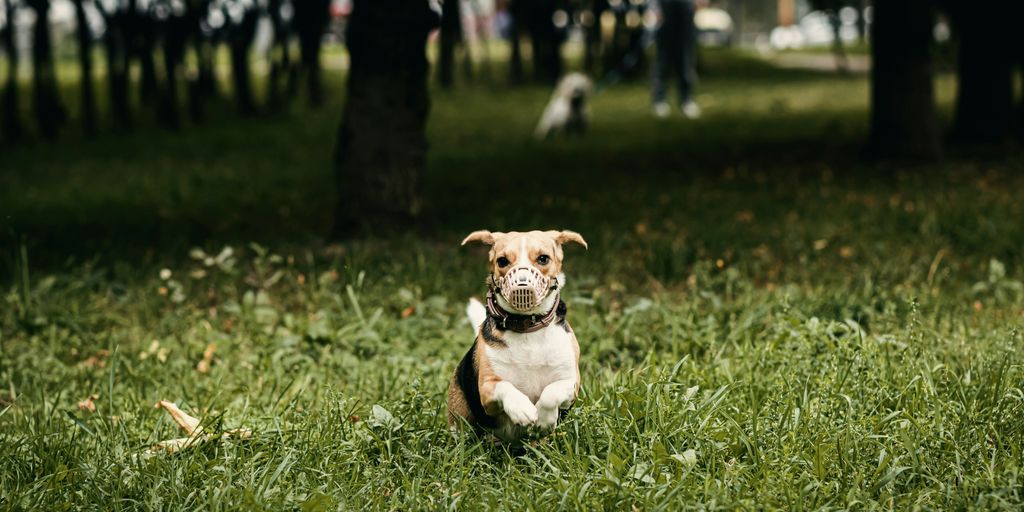
Getting your dog into a good training routine doesn’t have to be a huge time commitment. The trick is to make it a regular part of your day, even if it’s just for a few minutes here and there. Think of it like brushing your teeth; you just do it. Consistency is the real magic ingredient.
Morning Training Rituals for Success
Starting the day with a short training session can really set a positive tone. Before breakfast, maybe a quick 5-10 minute session focusing on a couple of commands. It helps your dog focus and burn off some early morning energy. A brisk walk is also great, and you can practice leash manners or recall during that time. Just a little bit of focused interaction can make a big difference.
Integrating Mental Stimulation
Dogs need mental workouts just as much as physical ones. You can easily add this into your day. Try hiding a few treats around a room for your dog to sniff out, or use a puzzle toy for their breakfast. Even just 5 minutes of working on a new trick or reinforcing an old one counts. It keeps their minds sharp and prevents boredom, which often leads to less-than-ideal behaviors.
The Power of Short, Focused Sessions
Don’t feel like you need to dedicate an hour to training. In fact, shorter sessions are often more effective. Aim for 5-15 minutes at a time, a few times a day. This keeps your dog engaged and prevents them from getting tired or frustrated. It’s better to have three 5-minute sessions than one 15-minute marathon. This approach helps build a strong communication base without overwhelming your dog.
Remember to always end on a positive note. Even if a particular command isn’t quite there yet, find something your dog can do and reward that. This keeps them motivated and eager for the next training opportunity.
Mastering Foundational Dog Commands
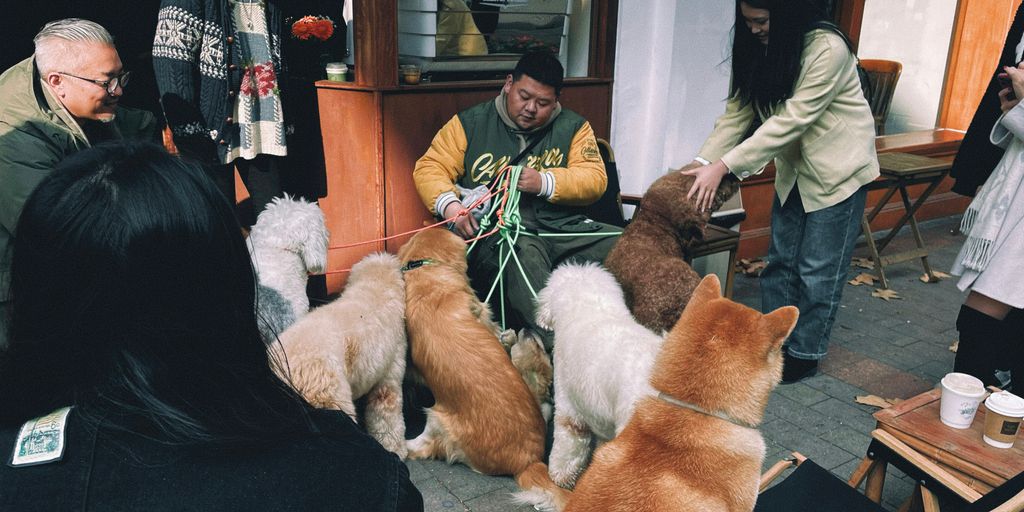
Every dog owner wants a well-behaved companion, and that starts with teaching some basic commands. These aren’t just tricks; they’re the building blocks for clear communication between you and your dog. Think of them as the ABCs of your dog’s language. Getting these down solid makes everything else, from walks to vet visits, so much easier.
Essential Commands for a Well-Behaved Companion
When you’re starting out, focus on a few key commands that really make a difference in daily life. These commands help manage your dog’s behavior and keep them safe. The most common ones to start with are ‘sit,’ ‘stay,’ ‘come,’ and ‘down.’ Mastering these creates a solid base for all future training and helps your dog understand what you expect.
Teaching Your Dog’s Name
Before you can teach anything else, your dog needs to know their name! This is how you get their attention. When your dog looks at you when you say their name, give them a little praise or a small treat. Making sure your dog responds to their name is the first step to building a strong communication base. It’s like calling someone’s name before asking them a question. You can practice this in short bursts throughout the day. Try calling their name when they aren’t looking at you, and reward them when they turn their head or come to you. This helps build a positive association with their name.
Building a Strong Communication Base
Once your dog knows their name and a few basic commands, you’re well on your way. The key here is consistency. Always use the same words and hand signals for each command. This prevents confusion for your dog. Keep training sessions short, maybe 5 to 10 minutes, and always end on a positive note. This keeps training fun and encourages your dog to want to learn more. Remember, training is a journey, and building that strong bond through clear communication is what it’s all about. You can even start teaching simple behaviors like ‘touch’ to build confidence and prepare for more complex tasks, which can be a great way to prepare your dog for movie roles.
Here’s a quick look at how to start teaching ‘touch’:
- Present Your Hand: Hold your fist out, maybe 6 inches from your dog’s nose. If you have a treat, they’ll likely sniff or nudge your hand.
- Mark and Reward: The moment their nose touches your hand, say "Yes!" and then give them the treat.
- Repeat: Do this a few times. Then, try it with your hand open, still rewarding the touch.
- Add the Cue: Once they’re reliably touching your hand, start saying "Touch" right before you present your hand.
Consistency is really the name of the game. Using the same cues and rewarding the desired behavior every time helps your dog learn faster and understand what you’re asking. It’s about building trust and a shared language.
Effective Training Techniques for Busy Owners
Life gets hectic, right? Between work, errands, and trying to squeeze in some personal time, dog training can feel like just another thing on an endless to-do list. But it doesn’t have to be. The trick is to use methods that are efficient and fit into your already packed schedule. Focus on quality over quantity; short, consistent sessions are far more effective than long, infrequent ones. This approach makes training manageable and helps your dog stay engaged without getting overwhelmed.
Positive Reinforcement Strategies
This is all about rewarding good behavior. When your dog does something you like, like sitting when asked or staying calm when the doorbell rings, you reward them. This could be with a small, tasty treat, enthusiastic praise, or a favorite toy. The idea is to make the dog associate good actions with good things. It builds a positive connection between you and your dog, making them eager to learn more. Think of it as building a good relationship, one good deed at a time.
The Role of Clicker Training
Clicker training is a specific type of positive reinforcement. You use a small device that makes a distinct clicking sound. When your dog performs the desired behavior, you immediately click the device and then give a reward. The click acts as a marker, telling your dog exactly when they did the right thing. It’s incredibly precise and can speed up learning. Many owners find it helps them communicate more clearly with their pets. You can find good clickers at most pet supply stores or online.
Consistency in Command Delivery
This is where many people stumble, but it’s super important. Use the same word for the same command every single time. If you sometimes say "sit," sometimes "sit down," and sometimes "park it," your dog will get confused. Pick your words and stick to them. Also, try to use the same tone of voice. A consistent approach helps your dog understand what you expect, reducing frustration for both of you. It’s like speaking the same language, so your dog knows what you mean. This consistency is key to building a strong communication base with your dog, and it’s something you can start practicing right away, even during your daily dog activities.
Boosting Your Dog’s Motivation
Think about what gets you out of bed on a Monday morning. For most of us, it’s not just the alarm clock, right? It’s usually something we’re looking forward to, like a good cup of coffee or a chat with a friend. Dogs are pretty much the same way. If training feels like a chore, they’ll just tune out. But if it feels like a fun game with a great reward, they’ll be all in. Finding what truly excites your dog is the secret sauce to making training sessions fly by.
Understanding What Drives Your Dog
Every dog is an individual, and what makes one dog jump for joy might leave another dog yawning. It’s all about figuring out their personal preferences. Some dogs go nuts for a tasty treat, while others would rather play fetch or tug-of-war. You might even have a dog who’s super motivated by praise or a good belly rub. The key is to pay attention to their reactions during different activities. What makes their tail wag a little faster? What gets their ears perked up?
- Food: High-value treats, like small pieces of cooked chicken or special training biscuits, are often a big hit.
- Play: A squeaky toy, a game of tug, or a quick chase can be incredibly motivating.
- Praise and Affection: Some dogs thrive on verbal encouragement and physical affection.
Food as a Training Currency
When we talk about food as a motivator, it’s helpful to think of it like money. Not all treats are created equal in your dog’s eyes. Kibble you use for their regular meals might be okay for training in a super quiet room, but it probably won’t cut it when there are squirrels running around outside. That’s where
Adapting Training to Your Dog’s Needs
Every dog is an individual, and what works for one might not work for another. Thinking about your dog’s specific stage of life, their energy level, and how receptive they are to training will make a big difference. It’s not a one-size-fits-all situation, so being flexible is key.
Age-Specific Training Modifications
Puppies have short attention spans, so keep their training sessions brief, maybe 5-10 minutes, and sprinkle in lots of play. They need to learn basic commands and get used to the world around them. Adult dogs can handle longer sessions, perhaps 15-20 minutes, and can tackle more complex tasks. For older dogs, be mindful of their physical limits. Shorter sessions are better to avoid tiring them out, and focus on mental activities that are easy on their joints. This approach helps keep their minds sharp without overexerting them.
Adjusting for Energy Levels
Some dogs are bundles of energy, while others are more laid-back. If your dog has a lot of pep, a quick walk or play session before training can help them settle down and focus better. For dogs with lower energy, you might need to use more exciting rewards and keep sessions short to prevent them from getting mentally tired. Pay attention to when your dog seems most alert and schedule your training during those times. It’s always better to end a session on a good note, even if it’s short, rather than pushing them when they’re losing interest.
Recognizing Training Receptiveness
Your dog’s willingness to train can change day by day. If your dog seems distracted, bored, or tired, it’s a sign that they’re not in the right headspace for training. Instead of forcing it, take a break and try again later when they’re more engaged. Observing their body language is important; signs like yawning, lip licking, or looking away can indicate they’re feeling overwhelmed or stressed. Tailoring your approach based on these cues will make training a more positive experience for both of you. For owners looking for a structured approach, consider a Board and Train program that can be adapted to your dog’s specific needs.
Being observant and adaptable is the secret sauce to successful dog training. It’s about meeting your dog where they are, not forcing them into a mold.
Solving Common Behavior Challenges
Even with the best intentions, sometimes our dogs develop habits that aren’t ideal. Dealing with these can be frustrating, but remember, most behavior issues stem from a lack of understanding, unmet needs, or anxiety. The good news is that with patience and the right approach, you can help your dog overcome these hurdles.
Addressing Separation Anxiety
Separation anxiety is tough, both for you and your dog. It’s more than just a little whining when you leave; it’s genuine distress. Signs can include excessive barking, destructive chewing (especially around doors and windows), and accidents in the house. The key is to help your dog feel secure when you’re gone. Start by making departures and arrivals low-key. Avoid big, emotional goodbyes or overly enthusiastic greetings. Gradually increase the time you leave them alone, starting with just a few minutes. Provide them with a special toy or long-lasting chew only when you leave. If the anxiety is severe, consider consulting a professional trainer or a veterinary behaviorist. You might also find resources on managing this issue helpful, like those found at All Canines Academy.
Reducing Excessive Barking
Barking is a dog’s way of communicating, but constant barking can be a real nuisance. First, try to figure out why your dog is barking. Is it boredom, attention-seeking, fear, or territoriality? If it’s boredom, more exercise and mental stimulation are needed. For attention-seeking, ignore the barking and reward quiet behavior. If your dog barks at things outside, you might need to block their view or work on desensitization. Teaching a ‘quiet’ command can also be effective. When they bark, say ‘quiet’ and when they pause, even for a second, reward them. Gradually increase the duration of silence needed for the reward.
Managing Destructive Chewing
Chewing is a natural behavior for dogs, especially puppies, but destructive chewing can be a problem. Ensure your dog has plenty of appropriate chew toys. Rotate these toys to keep them interesting. If you catch your dog chewing something they shouldn’t, interrupt them with a sound and redirect them to an acceptable chew toy. Never punish your dog after the fact, as they won’t understand why they’re being corrected. Providing enough physical and mental exercise is also vital, as a tired dog is less likely to chew destructively. Puzzle toys can be great for keeping their minds occupied when you can’t supervise them directly.
Dealing with tricky dog behaviors can be tough, but you’re not alone! We’ve got simple tips to help you solve common issues like jumping or chewing. Want to learn more about making training a breeze? Visit our website for expert advice and easy-to-follow guides to a happier, well-behaved pup!
Keep Up the Great Work!
So, you’ve seen how just a few minutes each day can make a real difference in your dog’s behavior and your relationship with them. It’s not about long, complicated sessions; it’s about being consistent and making training a fun part of your routine. Whether you’re working on basic commands or trying to solve a specific issue, these short bursts of training build a stronger connection and a happier, more well-behaved dog. Keep at it, celebrate the small wins, and enjoy the journey of learning together. Your dog will thank you for it!
Frequently Asked Questions
How much time do I really need to train my dog each day?
You can train your dog in just 10-15 minutes a day. The key is to be consistent and make the sessions fun and focused. Short, regular training sessions are more effective than long, infrequent ones.
What are the most important commands to teach my dog first?
Start with basic commands like ‘sit,’ ‘stay,’ ‘come,’ and ‘down.’ Teaching your dog their name is also super important for getting their attention. These commands build a strong foundation for good behavior and clear communication.
What is positive reinforcement and how does clicker training work?
Positive reinforcement means rewarding your dog with treats, praise, or toys when they do something right. This makes them more likely to repeat that good behavior. Clicker training is a great tool that pairs a ‘click’ sound with the reward, helping your dog understand exactly what they did well.
How can I keep my dog motivated during training?
Dogs are motivated by things they value, like tasty treats or fun playtime. Figure out what your dog loves most! Using these rewards during training makes them eager to learn and participate. Think of treats as ‘currency’ for good behavior.
Do I need to change my training plan for puppies or older dogs?
Yes, you should adjust training based on your dog’s age and energy. Puppies have short attention spans, so keep sessions brief. Older dogs might need shorter sessions too, depending on their health. High-energy dogs might need a quick play session before training to help them focus.
Can training help with problems like barking or chewing?
For common issues like barking too much, chewing things they shouldn’t, or feeling anxious when left alone, positive training methods can help. These techniques focus on teaching your dog better habits and building their confidence, rather than punishing them.