
Want to make training your dog easier and faster? You’ve come to the right place. We’re talking about quick dog training hacks that actually work. Forget complicated methods; these are simple ways to get your dog listening and learning, building a better bond along the way. We’ll cover everything from shaping behaviors to teaching fun tricks and building good habits. Let’s get started!
Key Takeaways
- Shaping is a natural learning process for dogs, and breaking down behaviors into small steps is key to success.
- Simple tricks like ‘Kiss,’ ‘Speak,’ and ‘Shake Hands’ are great starting points for everyday training.
- Tethering new training habits to existing routines and keeping sessions short makes learning more consistent.
- Understanding reinforcement and using classical conditioning can greatly improve your dog’s learning.
- Creating a personal reward system for yourself and keeping training fun helps maintain motivation for both you and your dog.
Mastering Shaping For Rapid Learning
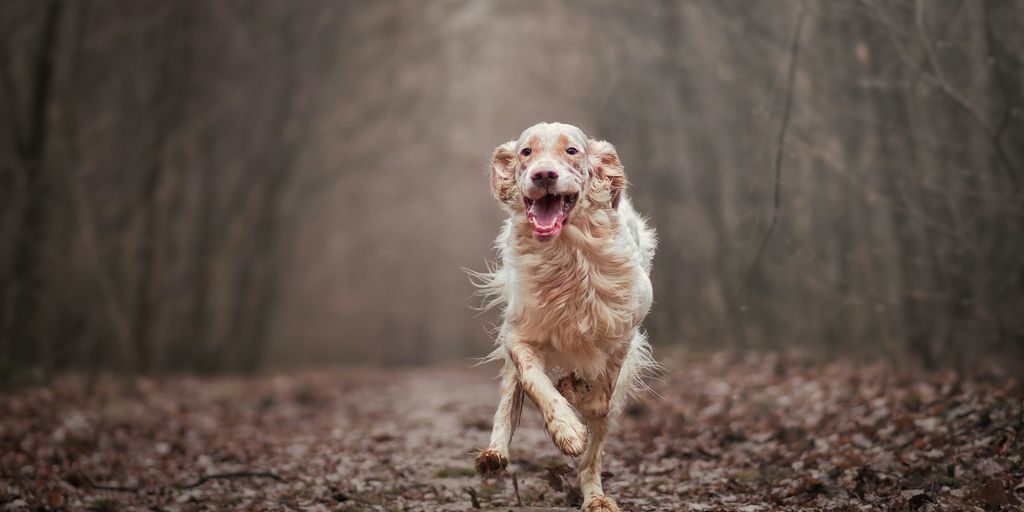
Shaping is a really effective way to teach your dog new things, and it’s actually how dogs learn naturally. Instead of trying to get them to do a whole behavior at once, you break it down into tiny steps. You reward them for each little bit of progress they make towards the final goal. It’s like building with LEGOs; you add one brick at a time until you have something amazing.
Understanding The ABCs Of Shaping
To get shaping right, you need to know the basic sequence: Antecedent, Behavior, Consequence. The antecedent is what happens before the behavior – maybe you present a toy or a cue. The behavior is what your dog actually does. And the consequence is what happens after the behavior, which is usually a reward. Getting this sequence down helps you understand what influences your dog’s actions and how to guide them effectively. It’s all about setting up the situation so your dog can succeed. You can learn more about how science changed how I teach dogs here.
Splitting Behaviors Into Smaller Pieces
This is the heart of shaping. If you want your dog to, say, touch a target with their nose, you don’t just wait for them to do it. You might start by rewarding them for just looking at the target, then for moving towards it, then for getting closer, and finally, for touching it. Each small step is a win. It keeps your dog engaged and builds their confidence because they’re constantly succeeding. It’s important to be patient and not rush the process; small steps lead to big results.
The Cheat Code For Successful Shaping
So, what’s the secret sauce? It’s about being observant and flexible. The real cheat code is paying close attention to your dog’s responses and adjusting your criteria accordingly. If your dog is struggling, you’ve likely made the steps too big. If they’re offering behaviors too quickly, you might be able to make the next step a little harder. Think of it as a dance; you’re responding to your partner’s moves. Keeping training sessions short, fun, and ending on a positive note also makes a huge difference. It’s not just about the mechanics; it’s about the relationship you build through the process.
Simple Tricks For Everyday Training
Sometimes, the most rewarding training moments come from the simplest tricks. These aren’t just about showing off; they’re fantastic ways to connect with your dog and build their confidence. Plus, they’re pretty fun to teach!
Teaching Your Dog To ‘Kiss’
This is a sweet trick that many dogs pick up naturally. You’ll need a tasty treat to start. Hold the treat near your cheek and say "Kiss!" as your dog leans in. Most dogs will try to lick your face to get the treat. The moment they do, give them the treat and lots of praise. After a few repetitions, your dog will start to associate the word "Kiss" with the action. Gradually, you can phase out the treat lure, relying only on the verbal cue and rewarding with affection. Keep these sessions short, around 5-10 minutes, to keep your dog engaged.
Encouraging Your Dog To ‘Speak’
Getting your dog to bark on command can be a bit trickier, but it’s definitely doable. You’ll want to find something that reliably makes your dog vocalize – maybe a specific toy or even your own excited voice. When they bark, immediately mark the behavior with a cue like "Yes!" and give them a reward. The key here is to capture the bark when it happens naturally and then attach the cue to it. It takes patience, but soon your dog will learn to bark when you ask.
Mastering The ‘Shake Hands’ Trick
This classic trick is a great way to show off your dog’s trainability. Start by having your dog sit in front of you. Hold a treat in your closed fist and present it to your dog. They’ll likely paw at your hand to try and get the treat. The instant they lift a paw, say "Shake" and open your hand to give them the reward. Repeat this, and soon your dog will offer their paw when they hear the command. You can then transition to presenting an open hand without a treat, rewarding them for a successful shake. Teaching your dog tricks like shake offers excellent mental stimulation and strengthens your bond with your pet.
Remember, consistency is more important than long, drawn-out sessions. A few minutes each day makes a big difference.
Creative Ways To Build New Habits
Building new habits with your dog doesn’t have to feel like a chore. It’s all about being smart with your routine. Think about what you already do every single day without fail – maybe it’s having your morning coffee or letting your dog out. You can use these existing actions as triggers for new training sessions. For example, you could set up a rule: ‘After I finish my coffee, I will practice one new trick with my dog.’ This way, the new training becomes linked to something you already do automatically.
Tethering Training To Existing Routines
This is a really effective way to make training a regular part of your day. By attaching a new behavior (like a training session) to an established habit, you create a natural reminder. It’s like putting a sticky note on your existing routine. You don’t have to remember to train; the old habit prompts the new one. This makes it much easier for the new behavior to stick.
Replacing Unwanted Habits With Training
Sometimes, we have habits we’d rather break. Maybe you spend a lot of time scrolling on your phone. You can use this! Create a rule like, ‘Every time I open a social media app, I must first do five minutes of training with my dog.’ This directly replaces the old habit with a new, productive one. It’s a clever way to get training done without feeling like you’re adding another task to your day. You can even use a handy treat pouch to make these quick sessions even smoother.
The Power Of Short, Consistent Sessions
Forget trying to carve out an hour for training. It’s much more effective to do several short sessions throughout the day. Even just two or three minutes here and there adds up. It’s easier to convince yourself to do a quick five-minute session than a long one. Plus, your dog will likely stay more engaged and learn faster with these brief, focused bursts. Consistency is key, and short sessions make consistency much more achievable for both of you.
Enhancing Your Dog’s Understanding
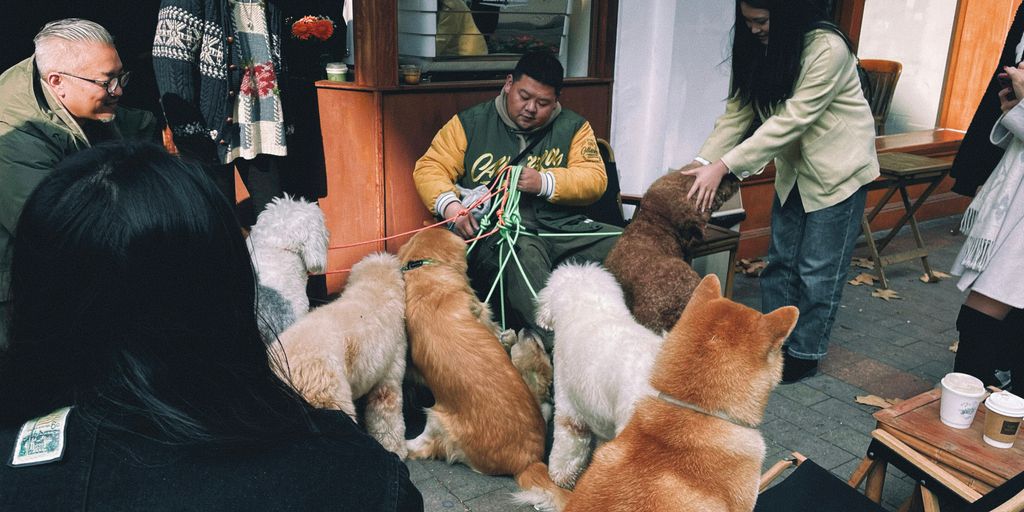
Sometimes, getting your dog to really get what you’re asking can feel like a puzzle. It’s not just about repeating commands; it’s about how you set things up and what you reward. Think about it like building blocks. You wouldn’t try to stack a whole tower at once, right? You start with one block, then add another. Dog training is similar.
The Importance Of Reinforcement Hierarchy
What you give your dog after they do something matters a lot. Some dogs go wild for a piece of cheese, others are happy with a quick scratch behind the ears. Figuring out what your dog loves most – their personal reinforcement hierarchy – is key. This means you need to know if a favorite toy, a special treat, or just some enthusiastic praise is going to get the best reaction. It’s about finding what makes them tick, and using that to your advantage. You want to make sure the reward is actually rewarding for them, not just what you think is a good reward. This helps them understand that doing the right thing leads to good stuff.
Classical Conditioning For Better Results
This is where you pair something your dog already likes with a new cue or behavior. For example, if your dog loves getting a treat, you can pair that treat with a specific word or action. Over time, the word or action itself starts to predict the treat. It’s like Pavlov’s dogs, but for everyday training. This helps build positive associations and makes learning feel more natural for your dog. It’s a way to build a strong connection between your cues and your dog’s responses, making them more eager to please. You can learn more about how this works in dog training.
Creating Antecedent Arrangements
This sounds fancy, but it just means setting up the situation before the behavior happens. Think about it: if you want your dog to sit, you might have them stand near their favorite mat. The mat becomes a cue that sitting is a good idea. Or, if you’re teaching fetch, you might start with the toy right next to you. You’re arranging the environment so the behavior you want is more likely to happen. It’s about making it easy for your dog to succeed by controlling what they see and experience right before they act. This proactive approach can make a huge difference in how quickly and reliably your dog learns.
Advanced Tricks And Techniques
Ready to move beyond the basics? This section covers some really fun and impressive tricks that will have your friends asking how you did it. It takes a bit more patience, but the payoff is huge when your dog nails these. We’ll break down how to teach your dog to do a perfect dog hug, get them to offer their paws up on command, and even make a game of fetch way more exciting than just chasing a ball.
Teaching the ‘Paws Up’ Trick
This trick is often called ‘Sit Pretty’ or ‘Beg.’ It looks super cute and is a great way to build your dog’s balance and confidence. Start by having your dog sit. Then, hold a treat just above their nose and slowly lift it upwards. The goal is to get them to lift their front paws off the ground to follow the treat. Reward any lift, even a tiny one, at first. Gradually, you’ll increase how long they hold the position before giving the reward. Consistency is key here.
Achieving the Perfect Dog Hug
This one is adorable! Your dog will actually wrap their paws around you. It’s easiest if your dog already knows ‘Sit Pretty,’ but it’s doable without. Get your dog into a sit. Use a treat to guide their head back a little. The moment their front paws leave the ground, reward them. Once they’re comfortable holding this pose, you can start to introduce a stuffed toy for them to grip. Then, transition to using your leg as the object to grip, and finally, move in for the hug yourself. They’ll learn to wrap their paws around you in return.
Making Fetch More Engaging
Fetch is a classic, but sometimes dogs get bored or don’t bring the toy back. To spice it up, start with a toy your dog absolutely loves. Make playing with it exciting! Use cues like ‘Take it!’ when they grab the toy. Work on them holding it for a few seconds before you ask them to ‘Drop it.’ When you throw the toy, say ‘Fetch!’ and reward them for going to it. Encourage them to bring it back with a ‘Come!’ cue. Stringing these cues together – Throw, Fetch, Come, Drop It, Reward – makes the game much more interactive. You can find some great toys to keep things interesting at your local pet store.
Motivation And Reward Strategies
When you’re training your dog, keeping them engaged is half the battle. It’s not just about what you teach, but how you make it fun and rewarding. Think about it: would you want to do something over and over if there was no payoff? Your dog feels the same way. We need to be smart about how we reward them to keep them excited about learning.
Creating a Personal Reward System
This is where you get to be a bit like a game designer for your dog. What really gets your dog going? Is it a specific squeaky toy, a special kind of treat they only get during training, or maybe just some enthusiastic praise? Figure out what your dog absolutely loves and reserve that for training time. This makes training feel special and builds anticipation. It’s like having a secret stash of awesome things that only come out when you’re working together. You can even make a little chart for yourself, tracking progress and rewarding yourself too when you hit training milestones. It’s about making the whole experience a win-win.
Keeping Training Sessions Fun
Nobody likes a boring routine, especially dogs. Keep your training sessions short and sweet. A few minutes here and there throughout the day is way better than one long, drawn-out session. This prevents your dog from getting bored or tired, and it keeps you from getting frustrated. Mix up the commands you’re working on, use a happy tone of voice, and always end on a positive note, even if it’s just a simple command they know well. Think of it as a quick, fun game rather than a chore. If you’re looking for ideas on how to keep things lively, checking out resources on positive reinforcement can give you a fresh perspective on dog training methods.
Rewarding Progress Effectively
It’s not just about what you reward, but how and when. Don’t just give a reward for any old thing. Break down bigger goals into smaller steps. Reward each small success along the way. This helps your dog understand what you’re asking for and builds their confidence. For example, if you’re teaching a new trick, reward the first attempt, then reward a slightly better version, and so on. This gradual approach is much more effective than waiting for perfection. Remember, consistency is key, and celebrating small wins keeps the motivation high for both of you.
Keeping your dog happy and well-behaved is all about using the right methods. Think about using rewards like treats or praise when your dog does something good. This helps build a strong connection between you and your furry friend. Want to learn more about how to make training fun and effective? Visit our website for great tips and resources!
Keep Training Fun and Rewarding
So there you have it, some simple ways to make training your dog a bit easier and more effective. Remember, keeping training sessions short and positive is key. Don’t get discouraged if your dog doesn’t get something right away; every dog learns at their own pace. Celebrate the small wins, and most importantly, have fun with your furry friend. Consistent, short bursts of training, mixed with plenty of praise and rewards, will build a stronger bond and lead to a well-behaved companion. You’ve got this!
Frequently Asked Questions
What exactly is shaping in dog training?
Shaping is like breaking down a big goal into tiny steps. You reward your dog for getting closer and closer to what you want them to do. It’s a natural way all animals learn, helping them understand things faster.
How can I teach my dog to ‘kiss’ me?
You can teach your dog to ‘kiss’ by holding a treat near your cheek and saying ‘Kiss!’ when they lick you. Reward them right away! Then, slowly stop using the treat as a lure, just use your voice.
How do I get my dog to bark on command?
To teach your dog to ‘speak,’ find something that makes them bark, like a squeaky toy. The moment they bark, say ‘Speak!’ and give them a treat. Keep practicing this, and soon they’ll bark when you say the word.
What’s the easiest way to teach ‘shake hands’?
For the ‘shake hands’ trick, hold a treat in your closed fist and say ‘Paw!’ or ‘Shake!’ Your dog will likely paw at your hand. Reward them as soon as they offer their paw. After they get it, try with an open, empty hand.
How can I make training sessions fun and keep my dog interested?
Making training fun is key! Keep sessions short, maybe just 5-10 minutes a few times a day. Use rewards your dog really loves, like special treats or a favorite toy. Always end on a happy note!
How can I build new training habits for myself and my dog?
You can create new habits by linking them to things you already do every day. For example, ‘If I finish my coffee, then I will train my dog for 5 minutes.’ This makes it easier to remember and do.