
If you love the great outdoors, taking your dog on hiking trips can be an amazing way to bond and explore nature together. But before you hit the trails, it’s important to make sure your furry friend is ready for the adventure. Training a dog for hiking isn’t just about getting them used to the outdoors; it’s about building their endurance, teaching them commands, and ensuring they behave well on the trail. With the right preparation, you and your dog can enjoy many exciting hikes together.
Key Takeaways
- Assess your dog’s breed and health before hiking.
- Start training with short hikes and gradually increase the distance.
- Teach basic commands and practice recall to keep your dog safe.
- Choose the right gear and pack essentials for your dog.
- Stay aware of hydration needs and recognize signs of fatigue.
Understanding Your Dog’s Capabilities
Before hitting the trails, it’s super important to really know your dog. Not all dogs are built for long hikes, and pushing them too hard can lead to injuries or just a miserable experience for everyone. It’s like assuming you can run a marathon without training – not gonna end well!
Assessing Breed Suitability
Some breeds are just naturally better suited for hiking than others. High-energy breeds like Border Collies, Australian Shepherds, and Huskies often thrive on the trails, while smaller or brachycephalic (short-nosed) breeds like Pugs or Bulldogs might struggle with the distance and heat. Think about it: a tiny dog with short legs has to work way harder to cover the same ground as a larger, more athletic breed. It’s not about saying one breed is "better" than another, but about being realistic about their physical capabilities. For example, a heel position is a great starting point for any breed.
Recognizing Physical Limitations
Even within a breed, individual dogs can have different limitations. Age, weight, and pre-existing health conditions all play a role. A senior dog with arthritis isn’t going to be able to handle the same kind of hike as a young, healthy dog. Overweight dogs will tire more quickly and are at a higher risk of overheating. And if your dog has any known health issues, like heart problems or hip dysplasia, it’s crucial to talk to your vet before starting a hiking program.
Monitoring Health and Fitness
It’s not a one-time assessment; you need to continuously monitor your dog’s health and fitness as you increase the intensity of your hikes. Pay attention to their energy levels, breathing, and gait. Are they lagging behind? Are they panting excessively? Are they limping? These are all signs that they might be pushing themselves too hard. It’s also a good idea to regularly check their paws for any cuts, abrasions, or blisters. Prevention is key!
Think of it like this: you wouldn’t suddenly decide to climb Mount Everest without any preparation. Your dog needs a training plan, just like you do. Start slow, gradually increase the distance and elevation, and always be mindful of their physical limitations.
Here’s a simple guideline to consider:
- Start with short, easy hikes.
- Gradually increase the distance and elevation.
- Monitor your dog’s energy levels and physical condition.
- Consult with your vet regularly.
Building Endurance Gradually
Before hitting those challenging trails, it’s super important to build up your dog’s endurance. You wouldn’t run a marathon without training, right? Same goes for your furry friend! We need to make sure they’re ready for the physical demands of hiking. It’s all about starting slow and gradually increasing the intensity. Think of it as a doggy fitness plan.
Starting with Short Hikes
Begin with short, easy hikes. I’m talking about walks that are only a mile or two on flat terrain. The goal here is to get your dog used to being on the trail without overdoing it. Pay close attention to how your dog is doing. Are they panting excessively? Are they lagging behind? These are signs that you might be pushing them too hard. It’s better to err on the side of caution and keep those initial hikes short and sweet. Think of it as a warm-up for the real adventures to come. You can also use stairs and hills to help with elevation training.
Increasing Distance and Elevation
Once your dog is comfortable with those shorter hikes, you can start to gradually increase the distance and elevation. Add maybe half a mile or so to each hike, and look for trails with slightly more challenging terrain. It’s important to increase only one variable at a time. Don’t suddenly double the distance and the elevation gain. That’s a recipe for disaster. Listen to your dog’s body language and adjust accordingly. If they seem tired or sore, back off a bit and give them a rest day.
Recognizing Signs of Fatigue
Knowing when your dog is tired is key to preventing injuries and ensuring they enjoy the hike. Some common signs of fatigue include:
- Excessive panting
- Lagging behind or stopping frequently
- Stumbling or a change in gait
- Reluctance to continue
- Lying down frequently
If you notice any of these signs, it’s time to take a break. Find a shady spot, offer your dog some water, and let them rest. Don’t push them to keep going if they’re clearly exhausted. It’s always better to cut the hike short than to risk your dog’s health and well-being. Remember, the goal is to have fun and enjoy the outdoors together. If you are hiking in the mountains, you can assume an additional increased caloric need of 25 – 50% for your dog. You can review the most common nine-point scoring system here.
Essential Obedience Training
Before hitting the trails, it’s super important your dog has a solid foundation in obedience. This isn’t just about having a well-behaved dog; it’s about safety for you, your dog, and others you might encounter. Think of it as getting your dog their hiking permit – they need to pass the test!
Teaching Basic Commands
Start with the basics: sit, stay, come, down. These commands are the building blocks for everything else. Practice these in a quiet environment first, then slowly introduce distractions. It’s like learning to ride a bike – you don’t start on a busy highway, right? Use positive reinforcement – treats, praise, whatever motivates your dog. Keep training sessions short and fun to avoid frustration. Remember, training a German Shepherd requires patience and consistency.
Practicing Recall in Distractions
Recall, or coming when called, is arguably the most important command for hiking. Imagine your dog spots a squirrel and takes off – you need to be able to call them back, pronto! Start practicing recall in a controlled environment, like a fenced yard. Use a long leash initially, gradually increasing the distance. Introduce distractions slowly – a friend walking by, a ball rolling, etc. Make yourself the most exciting thing in the world to your dog! Use a high-value treat or toy as a reward. If your dog doesn’t come immediately, don’t punish them – you want them to associate recall with positive experiences.
Loose Leash Walking Techniques
Nobody wants to be dragged down a trail by a pulling dog. Loose leash walking makes hiking enjoyable for both of you. Start by teaching your dog that pulling gets them nowhere. If they pull, stop walking. Only resume when the leash is slack. You can also change direction frequently to keep them guessing. Reward them for walking nicely by your side. It takes time and patience, but it’s worth it. Consider using a front-clip harness or a head halter if your dog is a chronic puller. Remember those safety cues are important too.
Think of obedience training as an investment in your dog’s safety and your enjoyment of hiking. A well-trained dog is a happy dog, and a happy dog makes for a happy hiker.
Here’s a simple progression for teaching loose leash walking:
- Start in a quiet area with minimal distractions.
- Use high-value treats to reward desired behavior.
- Gradually increase the duration of the walks.
- Introduce distractions slowly and systematically.
Preparing for the Trail
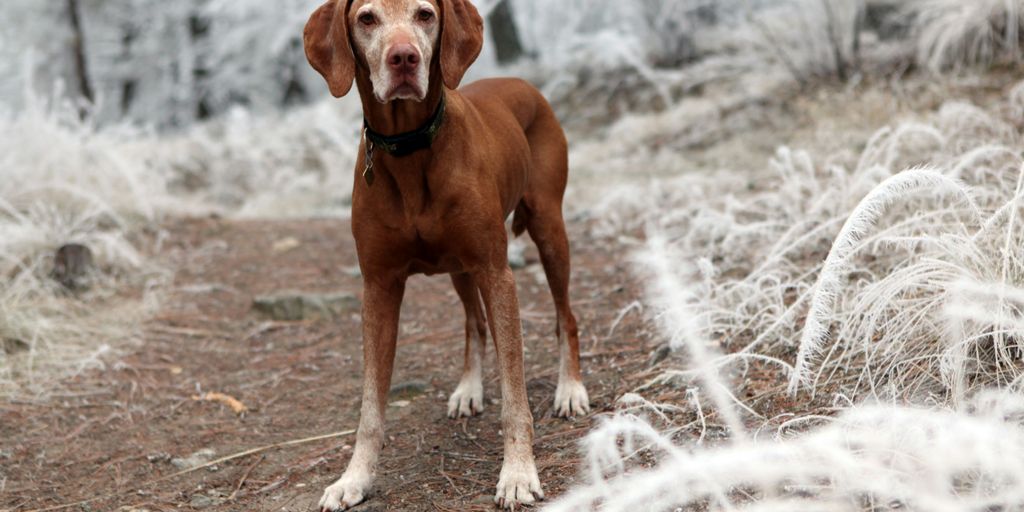
Alright, so you’ve got a dog that’s ready (or almost ready) to hit the trails. Awesome! But before you just head out the door, there’s some prep work to do. It’s not just about grabbing a leash and going; it’s about making sure you and your furry buddy have a safe and enjoyable experience. Think of it like packing for a human hike, but with extra considerations for your four-legged pal. Let’s get into it.
Choosing the Right Gear
First things first: gear. Your dog can’t exactly tell you if their harness is rubbing them the wrong way until a blister forms, so it’s on you to make smart choices. A well-fitting harness is essential. Skip the collar for hiking; a harness distributes pressure more evenly and gives you better control. Consider a rescue harness with a handle for tricky spots. Don’t forget a good leash – a standard 6-foot leash is usually fine, but a hands-free leash can be a game-changer. And for those sunny days, doggles (dog goggles) might seem silly, but they protect your dog’s eyes from UV rays and debris.
Packing Essentials for Your Dog
Okay, time to pack the doggy backpack (if your dog is using one, more on that later). What goes in? Water, of course! And a collapsible bowl. Food is also a must – pack extra, just in case. Poop bags are non-negotiable; always clean up after your dog. A small first-aid kit specifically for dogs is a smart idea. Include things like antiseptic wipes, gauze, and vet wrap. And don’t forget a towel for muddy paws! Here’s a quick checklist:
- Water and collapsible bowl
- Dog food (more than you think you’ll need)
- Poop bags
- Dog first-aid kit
- Towel
Acclimating Your Dog to a Backpack
If you plan on having your dog carry their own gear, introduce a backpack slowly. Start with an empty pack and let them wear it around the house for short periods. Gradually add weight, making sure it doesn’t exceed 10-15% of their body weight. Watch for signs of discomfort, like a change in gait or reluctance to move. A properly fitted and weighted backpack can be a great way for your dog to contribute on the trail, but it’s not for every dog. Some dogs just aren’t built for it, and that’s okay.
It’s important to remember that every dog is different. What works for one dog might not work for another. Pay attention to your dog’s cues and adjust your approach accordingly. The goal is to have fun and create positive experiences on the trail, not to push your dog beyond their limits.
Managing Trail Behavior
Dealing with Leash Reactivity
Leash reactivity can be a real headache on the trail. It’s that lovely moment when your usually chill dog turns into a barking, lunging mess at the sight of another dog or person. The key is to manage their environment and train alternative behaviors. Start by identifying your dog’s triggers and keeping a safe distance. If you see a trigger ahead, create space by stepping off the trail. Use high-value treats to reward calm behavior when the trigger is present but at a distance where your dog isn’t reacting. Over time, you can gradually decrease the distance as your dog becomes more comfortable. It’s also helpful to teach a "look at me" command to redirect their attention. Remember, consistency is key, and sometimes, seeking help from a professional trainer is the best route.
Socializing with Other Hikers and Dogs
Proper socialization is super important for a happy hiking experience, both for you and everyone else on the trail. It’s not just about letting your dog run up to every person and pup they see. It’s about teaching them how to interact appropriately. Here are a few tips:
- Controlled Greetings: Always ask the other hiker if their dog is friendly before allowing your dogs to interact. Keep your dog on a leash during greetings to maintain control.
- Positive Reinforcement: Reward your dog for calm and polite behavior around other dogs and people. This helps them associate these interactions with positive experiences.
- Respect Boundaries: Not all dogs (or people!) want to interact. Be respectful of others’ space and keep moving if they prefer to avoid contact.
Remember, a well-socialized dog is a joy to have on the trail. It makes the experience more enjoyable for everyone involved. If your dog is nervous or reactive, it’s okay to keep them at a distance and focus on building their confidence.
Practicing Leave No Trace Principles
Leave No Trace isn’t just for humans; it applies to our furry friends too! It’s about minimizing our impact on the environment so that everyone can enjoy the trails for years to come. Here’s how to get your dog on board:
- Pack It In, Pack It Out: Always bring dog waste bags and dispose of them properly. Don’t leave them on the side of the trail, even if you plan to pick them up later. Find a trash can or pack them out with you.
- Stay on the Trail: Keep your dog on the trail to avoid trampling vegetation and disturbing wildlife. This is especially important in fragile ecosystems.
- Respect Wildlife: Keep your dog under control to prevent them from chasing or harassing wildlife. This protects both your dog and the animals that call the trail home. If a skunk appears on the trail or another hiker approaches, you can redirect your dog’s focus before they rush the skunk or approach the hiker. Ask your dog to look at you with a "watch me" cue or ask for a nose touch and hold your hand such that your dog must turn their head away from the distraction. Once you have your dog’s attention, they’re far more likely to listen.
- You’re hiking on the trail with your dog on a leash and here comes another hiker with a dog walking toward you. Upon seeing them, your dog may bark out of excitement, anxiety or fear. Regardless of the reason, this behavior should be redirected. Get your dog’s attention and reward him with treats for focusing on you. If you’re good at multitasking, you can continue to walk forward as you reward the dog in a high-frequency fashion for focusing on you. If you prefer to stop walking, move off to the side of the trail taking care not to trample vegetation. Ask your dog to sit or practice focus work like watch me (when your dog makes eye contact with you) and touch (when your dog presses their nose to the palm of your hand). These behaviors allow you to control where your dog is looking.
Hydration and Nutrition on the Trail
Understanding Water Needs
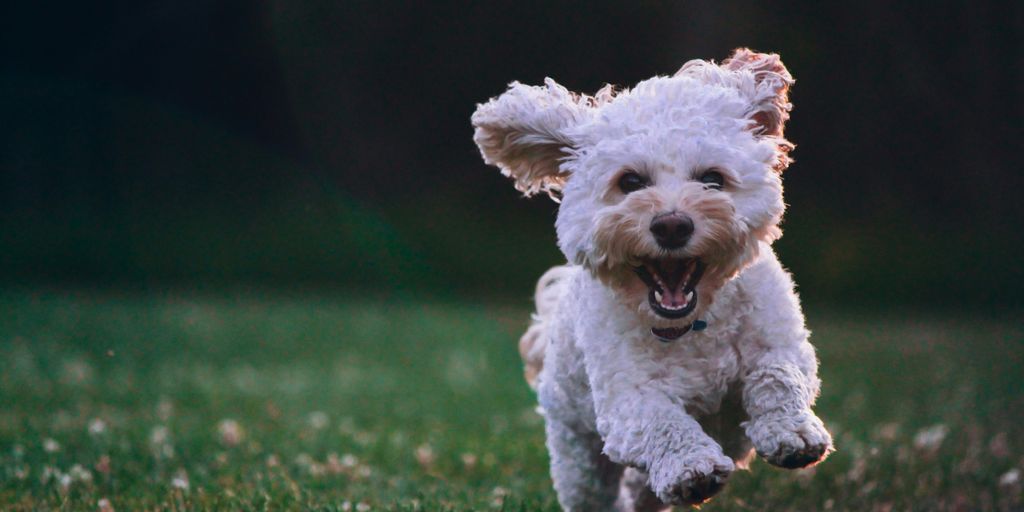
It’s easy to underestimate how much water your dog needs on a hike. Unlike humans, dogs primarily cool themselves through panting, not sweating, so they can dehydrate quickly. A good rule of thumb is to bring twice as much water for your dog as you would for yourself. Factors like weather, intensity of the hike, and your dog’s size all play a role. If your dog starts digging at the ground, it might be looking for cooler soil, a sign it needs a break and more water. If you’re hiking near streams, consider bringing a water filter so you and your dog can safely refill your drinking bladder.
Packing Healthy Snacks
Just like humans, dogs need extra calories to sustain their energy levels during a hike. High-quality dog snacks are a must. Look for options with a good balance of protein and fat to fuel their muscles. Avoid snacks with a lot of fillers or artificial ingredients. Consider dog-specific power bars designed for active dogs. These often have the right balance of nutrients for endurance activities. I usually give my dog a snack during my own short breaks.
Recognizing Signs of Dehydration
Knowing the signs of dehydration in dogs is critical for a safe hike. Keep an eye out for:
- Excessive panting
- Dry nose and gums
- Lethargy or weakness
- Sunken eyes
If you notice any of these signs, stop immediately and offer your dog water. If the symptoms are severe, seek veterinary attention as soon as possible.
It’s better to be over-prepared than under-prepared when it comes to hydration and nutrition on the trail. Always pack more water and snacks than you think you’ll need, and pay close attention to your dog’s behavior. A well-fed and hydrated dog is a happy and safe hiking companion.
Safety Precautions for Hiking
Hiking with your dog is awesome, but it’s super important to think about safety. You’re out in nature, and things can happen. Being prepared can make all the difference.
Identifying Potential Hazards
Okay, so first things first: know what you’re getting into. Are there rattlesnakes in the area? What about ticks or poison ivy? What’s the weather going to be like? Knowing the potential dangers before you even leave the house is a big deal. Check trail reports, talk to local rangers, and just generally do your homework. It’s not just about knowing if there are hazards, but where they are likely to be. For example, snakes often like sunny spots on rocks, and ticks are usually in tall grass. Be aware of your surroundings and keep your dog close, especially in risky areas.
First Aid Essentials for Dogs
Think of a first-aid kit for your dog like you would for yourself – you hope you don’t need it, but you’re really glad to have it if you do. Here’s a quick list of must-haves:
- Bandages and tape (the stretchy kind is great)
- Antiseptic wipes or spray
- Tweezers (for ticks and splinters)
- Benadryl (for allergic reactions, but check with your vet for the right dosage)
- A small towel
It’s also a good idea to have your vet’s phone number handy, as well as the number for a local animal emergency clinic. Knowing where to go in a crisis can save precious time.
Emergency Recall Training
This is HUGE. Having a rock-solid recall could save your dog’s life. You need to be able to call your dog back to you no matter what – even if there’s a squirrel, another dog, or some other super-tempting distraction. Practice this constantly, and use high-value treats as rewards. Make sure your dog knows that coming back to you is the best thing ever. It’s not just about obedience; it’s about safety. Imagine your dog gets off-leash near a cliff edge or a busy road. A reliable recall is your best bet to prevent a disaster. It’s worth the time and effort to train this thoroughly.
When you go hiking, it’s super important to stay safe. Always tell someone where you’re going and when you plan to be back. Bring enough water, wear good shoes, and check the weather before you head out. If you’re new to hiking, consider going with a friend or joining a group. For more tips on how to hike safely, visit our website!
Final Thoughts on Hiking with Your Dog
So, there you have it! Training your dog for hiking isn’t just about teaching commands; it’s about building a bond and making sure both of you have a great time on the trails. Remember to start slow, work on those basic skills, and keep your dog’s needs in mind. Every pup is different, so be patient and adjust your training as needed. With a little effort, you and your furry friend can enjoy countless adventures together. Happy hiking!
Frequently Asked Questions
What breeds are best for hiking?
Some dog breeds, like Labradors and German Shepherds, are great for hiking because they have lots of energy and stamina. Smaller breeds might not be able to hike as far or as long.
How can I tell if my dog is tired while hiking?
Watch for signs like lagging behind, heavy panting, or stopping to rest. If your dog seems tired, it’s a good idea to take a break.
What should I pack for my dog on a hike?
Make sure to bring water, snacks, a first aid kit, and any necessary gear like a leash, harness, and doggie waste bags.
How can I train my dog to stay close while hiking?
Practice commands like ‘come’ and ‘stay’ in a quiet area first. Use treats to reward your dog for staying close to you on the trail.
What should I do if my dog sees another animal while hiking?
Keep your dog leashed and calm. Use commands like ‘leave it’ or ‘come’ to redirect their attention.
How can I keep my dog hydrated on the trail?
Always carry enough water for both you and your dog. Offer water breaks often, especially on hot days.