
Puppies are super cute, but sometimes their playful nips can get a bit much. It’s totally normal for young pups to explore the world with their mouths, especially when they’re teething, but you don’t want those little nips turning into a real problem. Luckily, there are simple ways to teach your furry friend what’s okay to chew and what’s not. This guide will walk you through how to train a puppy to stop nipping, helping you both have a happier, bite-free life together.
Key Takeaways
- Teach your puppy how much pressure is too much when they bite.
- Always have a chew toy handy to give your puppy something else to bite.
- Make sure your puppy gets enough rest and potty breaks.
- Reward your puppy when they’re calm and not nipping.
- If things get tough, don’t be afraid to ask a professional trainer for help.
Teach Your Puppy Bite Inhibition
Understanding Bite Inhibition
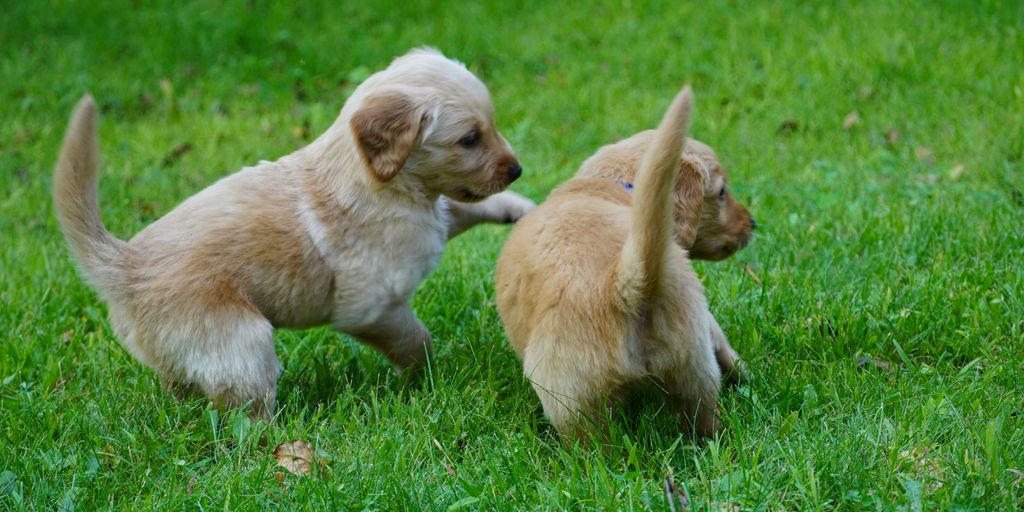
Bite inhibition is a crucial skill for puppies to learn. It refers to their ability to control the force of their bites. A puppy who understands bite inhibition knows how to be gentle, even during play. This is important because even playful nips can hurt if a puppy doesn’t realize how sensitive human skin is. Puppies naturally explore the world with their mouths, but they need to learn that biting too hard is unacceptable. Think of it as teaching them to use their mouths with manners. It’s not about stopping them from using their mouths altogether, but about teaching them to be careful.
Using Yelps to Communicate
One effective method for teaching bite inhibition is mimicking how puppies learn from each other. When puppies play together, they often nip and mouth each other. If one puppy bites too hard, the other will yelp loudly. This yelp signals to the biter that they’ve gone too far. You can use the same technique with your puppy. When your puppy nips you too hard, give a high-pitched "Ouch!" or "Yelp!" to startle them. Then, immediately stop playing. This teaches them that biting results in the end of playtime. Be consistent with this reaction, and your puppy will quickly learn to moderate their biting force. It worked for my friend Sarah’s golden retriever, and he’s the sweetest thing now!
When to Seek Professional Help
While most puppies can learn bite inhibition with consistent training, there are times when professional help is needed. If your puppy’s biting is aggressive, frequent, or doesn’t respond to your training efforts, it’s time to consult a certified dog trainer or veterinary behaviorist. They can assess your puppy’s behavior, identify any underlying issues (such as anxiety or fear), and develop a tailored training plan. Don’t hesitate to seek help if you’re struggling. Early intervention can prevent the development of serious behavioral problems. Remember, there’s no shame in asking for assistance; it shows you’re a responsible pet owner. It’s better to be safe than sorry when it comes to puppy teething.
It’s important to remember that every puppy is different, and what works for one may not work for another. Be patient, consistent, and positive in your training efforts. Building a strong bond with your puppy through trust and understanding is key to success.
Manage Playtime to Prevent Nipping
Playtime is super important for puppies. It helps them burn energy, learn social skills, and bond with you. But sometimes, that playful energy turns into nipping. It’s not usually aggression; it’s just a puppy exploring the world with their mouth. The good news is, you can manage playtime to reduce nipping and teach your pup appropriate behavior.
Ending Play When Nipping Occurs
The easiest way to curb nipping during play is to stop the fun immediately when it happens. This teaches your puppy that nipping leads to the end of playtime, which isn’t what they want. Here’s how to do it:
- The instant your puppy nips, say "Ouch!" in a clear, firm voice. This mimics the sound another puppy would make, signaling that the bite was too hard.
- Immediately stop playing. Turn away from your puppy and ignore them for a short period (10-20 seconds). No eye contact, no talking, no touching.
- After the short time-out, resume playing only if your puppy is calm. If they nip again, repeat the process. Consistency is key here. They need to learn that nipping always results in the end of playtime.
It might feel counterintuitive to stop playing, especially if you’re having fun. But remember, you’re teaching your puppy valuable lessons about appropriate behavior. Short, consistent time-outs are much more effective than yelling or physical punishment, which can scare your puppy and damage your bond.
Redirecting Nipping with Toys
Sometimes, puppies nip because they’re excited or want your attention. Instead of punishing the behavior, try redirecting it. Keep a variety of puppy chew toys nearby during playtime. When you see your puppy start to get nippy, immediately offer them a toy instead of your hand. This teaches them what is okay to bite and chew on. Here’s how to redirect effectively:
- Anticipate the nip: Watch for signs that your puppy is getting overstimulated, like increased barking or frantic movements. Before they nip, offer a toy.
- Make the toy enticing: Wiggle the toy around to make it more appealing. Get your puppy excited about the toy, not your hand.
- Praise and reward: When your puppy takes the toy, praise them enthusiastically. This reinforces the desired behavior.
Avoiding Rough Play
Roughhousing can encourage nipping. While it might seem fun to wrestle with your puppy, it can blur the lines between play and aggression. Avoid games that involve your hands becoming toys. Here are some tips for keeping playtime safe and appropriate:
- No hand wrestling: Never let your puppy bite or mouth your hands during play. If they do, immediately stop the game.
- Use toys for tug-of-war: Tug-of-war can be a great way to burn energy, but always use a toy, not your hands. Make sure the toy is durable and safe for your puppy.
- Supervise play with others: When your puppy is playing with other dogs or people, supervise closely. Intervene if the play becomes too rough or if nipping occurs. Socializing with other dogs is important for your puppy’s development, and if he expends a lot of his energy playing with other puppies, he’ll feel less motivated to play roughly with you. Consider enrolling your puppy in a good puppy class, where he can have supervised playtime with other puppies and learn some important new skills! Please see our article, finding professional help, to locate a Certified Professional Dog Trainer (CPDT) in your area who offers puppy classes.
By managing playtime effectively, you can teach your puppy to control their nipping and enjoy safe, fun interactions with you and others.
Provide Appropriate Chewing Alternatives
Puppies explore the world with their mouths, and chewing is a natural behavior, especially when they’re teething. Providing appropriate chewing alternatives is key to redirecting their nipping and protecting your hands and furniture. It’s not about stopping them from chewing altogether, but guiding them towards acceptable outlets for this instinct. Think of it as channeling their energy in a positive way.
Keeping Chew Toys Accessible
Make sure your puppy always has access to a variety of chew toys. Rotate them regularly to keep things interesting. Different textures and materials will appeal to different puppies, so experiment to find what your dog likes best. Keep a few favorites in easy-to-reach spots around the house. This way, when your puppy starts to get nippy, you can quickly offer them a puppy chew toy instead.
Substituting Toys for Hands
Whenever your puppy starts nipping at your hands or feet, immediately offer them a toy. This teaches them that toys are the appropriate things to chew on, not you. Make it exciting! Wiggle the toy around to engage their interest and encourage them to grab it. If they take the toy, praise them enthusiastically. This positive reinforcement will help them learn the desired behavior. It’s all about consistency. If you’re consistent with this substitution, your puppy will start to understand what’s okay to chew on and what’s not.
Guiding Chewing Behavior
It’s important to actively guide your puppy’s chewing behavior. Don’t just leave them with a pile of toys and hope for the best. Engage with them during chew time. Hold one end of the toy while they chew on the other, or play a gentle game of tug-of-war. This not only satisfies their chewing needs but also strengthens your bond. Supervise their chewing, especially with new toys, to make sure they aren’t breaking off and swallowing pieces. Also, make sure you’re teaching leash manners to avoid unwanted chewing during walks.
Think of chew toys as tools for communication. They’re not just distractions; they’re a way to teach your puppy what’s acceptable and what’s not. By providing the right toys and guiding their chewing behavior, you can help them develop good habits and prevent unwanted nipping.
Here are some chew toy options to consider:
- Rubber toys: Durable and great for teething puppies.
- Rope toys: Good for chewing and playing tug-of-war.
- Edible chews: Provide a tasty and satisfying chewing experience.
Implement Time-Outs Effectively
Time-outs can be a super useful tool in curbing puppy nipping, but it’s all about how you use them. The goal isn’t to punish your pup, but to give them a chance to calm down and reset. Think of it as a little break for everyone involved. It’s like hitting the reset button when things get too intense.
Using a Crate for Calm-Down Periods
Your puppy’s crate can be a great place for a time-out, if they already see it as a safe and positive space. Never force them in there as punishment! Instead, gently guide them in, say a calm word, and leave them alone for a short period. This gives them a chance to chill out without any stimulation. It’s like sending a toddler to their room for a bit to cool off.
Ensuring Time-Outs Are Not Punitive
This is so important: time-outs should never feel like punishment. If your puppy associates the crate or time-out spot with negative feelings, it’ll backfire. Keep the tone neutral, the time short, and the environment calm. The idea is to interrupt the nipping behavior, not to make your puppy scared or anxious. Think of it as a pause, not a prison sentence.
Leaving the Room for a Brief Period
Sometimes, the best thing you can do is remove yourself from the situation. If your puppy is getting overly excited and nippy, simply stand up and walk away. Ignore them for 30-60 seconds. This teaches them that nipping results in the end of playtime. It’s a simple but effective way to show them that nipping at your fingers isn’t acceptable.
It’s important to be consistent with time-outs. Every time your puppy nips too hard, implement the time-out immediately. This helps them make the connection between their behavior and the consequence. Consistency is key to effective training.
Here’s a quick guide:
- Nip occurs.
- Say "Ouch!" or "Too bad!".
- Turn away or leave the room for 30-60 seconds.
- Return and resume play if the puppy is calm. If not, repeat.
Address Underlying Puppy Needs
Sometimes, puppy nipping isn’t just about play; it’s a sign that other needs aren’t being met. Think of it as your puppy’s way of saying, "Hey, something’s up!" Addressing these underlying issues can significantly reduce nipping behavior. It’s like figuring out why a baby is crying – sometimes it’s hunger, sometimes it’s tiredness, and sometimes it’s just a need for attention. Understanding your puppy’s signals is key to effective training and a happier pup.
Recognizing Overtiredness
Just like toddlers, puppies get overtired easily, and when they do, their behavior can go haywire. An overtired puppy is more likely to nip, bite, and generally act like a little land shark. It’s important to recognize the signs of overtiredness, which can include:
- Excessive yawning
- Difficulty focusing
- Increased clumsiness
- More frequent nipping
When you spot these signs, it’s time for a nap! Create a quiet, comfortable space for your puppy to rest, and don’t be afraid to enforce some downtime. A well-rested puppy is a much better-behaved puppy.
Offering Potty Breaks and Food
Nipping can also be a sign that your puppy needs to go potty or is hungry. Puppies have small bladders and need frequent potty breaks, especially after waking up, eating, and playing. Similarly, they need to eat several small meals throughout the day to keep their energy levels stable. Make sure you’re providing regular potty breaks and meals on a consistent schedule. A hungry or uncomfortable puppy is more likely to be nippy and irritable.
Encouraging Energy Release
Puppies have a lot of energy, and if they don’t have appropriate outlets for it, they may resort to nipping as a way to burn off steam. Make sure your puppy is getting plenty of exercise and mental stimulation. This could include:
- Daily walks
- Play sessions with toys
- Puzzle toys that challenge their minds
- Training sessions to teach new commands
A tired puppy is a good puppy. Providing ample opportunities for energy release can significantly reduce nipping behavior. Think of it as giving them a job to do – a way to channel their energy in a positive direction.
By addressing these underlying needs, you’re not just stopping the nipping; you’re also creating a happier, healthier, and more well-adjusted puppy. It’s all about understanding their needs and providing them with the support they need to thrive. You can even find a puppy that matches your energy levels!
Reinforce Desired Behaviors
It’s easy to focus on what your puppy shouldn’t be doing, but it’s equally important to reward the behaviors you want to see. This helps your puppy understand what’s expected and makes training a much more positive experience for both of you.
Rewarding Calmness and Quietness
We often get so caught up in managing the chaos that we forget to acknowledge the moments of peace. When your puppy is simply lying down quietly or refrains from nipping during a moment when they usually would, make sure to reward them. A simple "good dog," a gentle pat, or a small treat can go a long way. It teaches them that being calm and quiet gets them attention and rewards, making them more likely to repeat those behaviors. It’s about catching them being good and reinforcing that.
Using Positive Reinforcement
Positive reinforcement helps them learn what behaviors you’re looking for. This means rewarding your puppy when they do something right, rather than punishing them when they do something wrong.
Here are some examples of positive reinforcement:
- Giving a treat when your puppy sits on command.
- Praising your puppy when they play gently with a toy.
- Offering a favorite toy when they refrain from nipping.
Positive reinforcement is all about creating positive associations. Your puppy learns that good things happen when they behave in a certain way, which motivates them to repeat those behaviors. It’s a much more effective and enjoyable way to train than focusing on punishment.
Building a Strong Bond Through Play
Playtime isn’t just about burning energy; it’s also a fantastic opportunity to strengthen your bond with your puppy and reinforce good behavior. Use play to teach your puppy commands and reward them for following them. For example, you can ask your puppy to sit before you throw a ball, or to leave a toy alone until you give them permission to take it. This not only reinforces obedience but also teaches them self-control and helps them learn to trust you. A strong bond built on trust and positive interactions will make training much easier and more effective in the long run.
Prevent Nipping in Specific Situations
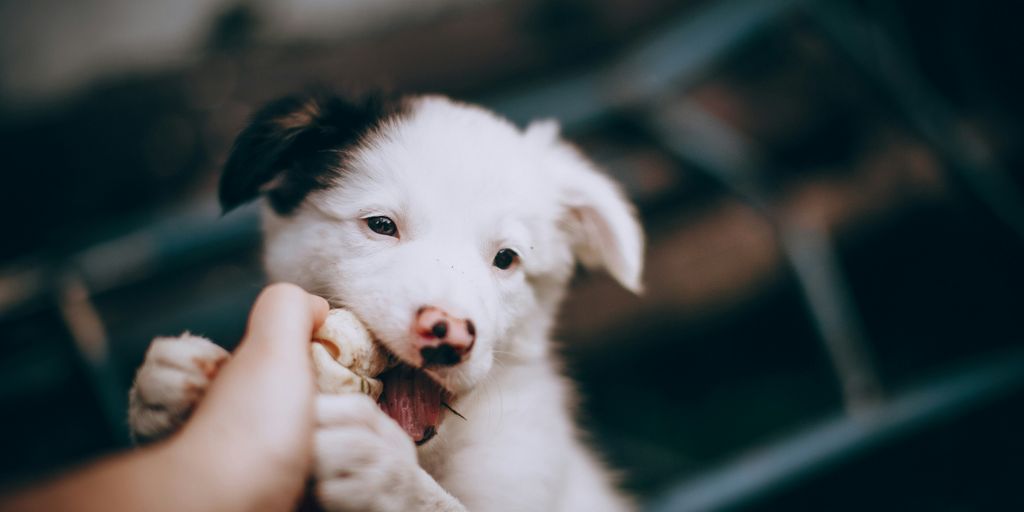
It’s not just about general training; sometimes, you need to be proactive in situations where nipping is more likely to occur. By understanding these triggers, you can prevent unwanted behavior before it even starts.
Stopping Pouncing Behavior
Pouncing can be cute when they’re little, but it can quickly become a problem as your puppy grows. If your puppy likes to ambush your feet or legs, especially when you’re walking, it’s time to intervene.
Here’s what you can do:
- Keep high-value treats handy. When you’re walking, hold a treat near your leg to encourage your puppy to walk nicely beside you.
- Use a toy as a distraction. If you see your puppy getting ready to pounce, toss a toy to redirect their attention.
- Practice obedience commands. A simple "sit" or "stay" can break their focus on pouncing.
Avoiding Enticing Nipping
Sometimes, without realizing it, we encourage nipping. Waving your fingers or toes in your puppy’s face might seem like fun, but it teaches them that hands and feet are toys.
Here are some things to avoid:
- Don’t slap the sides of their face to get them to play. This can encourage biting.
- Avoid jerking your hands or feet away quickly when they nip, as this can trigger their prey drive.
- Be mindful of how you interact with your puppy, ensuring that play remains gentle and controlled.
Teaching Leash Manners
Leash time should be enjoyable, not a nipping free-for-all. Some puppies get overly excited or frustrated on the leash, leading to nipping at the leash or your hands. Teaching good leash manners is key to preventing this.
Leash training isn’t just about walking nicely; it’s about teaching your puppy self-control and focus. A well-behaved puppy on a leash is a joy to walk, and it makes outings much more pleasant for both of you.
Here’s how to address leash nipping:
- Use positive reinforcement. Reward your puppy for walking calmly and not nipping at the leash.
- Keep the leash loose. A tight leash can create tension and anxiety, leading to nipping. Training your hyper puppy can help with this.
- Redirect their attention. If they start nipping, use a toy or treat to distract them and reward them for focusing on you.
It’s super important to teach your dog not to nip, especially in certain situations. This helps keep everyone safe and happy. Want to learn more easy ways to stop this behavior? Check out our website for the best dog training courses.
Wrapping Things Up
So, getting your puppy to stop nipping might feel like a big job at first. It takes some patience, for sure, and you gotta be consistent. One day your puppy might be all calm during playtime, and the next, they’re coming at you with those little shark teeth. But don’t worry, a puppy biting during play doesn’t mean they’re mean or anything. If you’re still having trouble by the time they’re around six months old, it’s probably a good idea to chat with a dog trainer or someone who knows a lot about animal behavior. They can help you figure things out.
Frequently Asked Questions
Why do puppies nip so much?
Puppies often nip as a natural part of exploring their world and during teething. It’s how they learn about their surroundings and how hard they can bite.
What should I do when my puppy nips me?
When your puppy nips, make a sudden, high-pitched yelp, then immediately pull your hand away and ignore them for a short time. This teaches them that biting stops the fun.
Should I give my puppy chew toys?
Yes, you should always have suitable chew toys ready. When your puppy tries to nip you or furniture, offer them a chew toy instead. This helps them learn what they are allowed to chew on.
How do time-outs help with nipping?
Time-outs can be useful, but they should be short and calm. Gently place your puppy in their crate or a safe, quiet spot for a few minutes to help them settle down, then let them out when they are calm.
Could my puppy’s nipping be a sign of something else?
Sometimes, a nippy puppy is just tired, needs to go potty, or has too much energy. Make sure they get enough rest, regular potty breaks, and plenty of chances to play and burn off energy.
How can I encourage good behavior?
It’s important to reward your puppy when they are calm and gentle. Give them praise, treats, or gentle pets when they aren’t nipping. This helps them understand what good behavior looks like.