
Taking your puppy for a walk should be a pleasant experience, but sometimes it can feel more like a tug-of-war. Teaching your puppy the puppy heel command can make a big difference. This command helps your dog walk nicely by your side, making strolls more enjoyable for both of you. It takes a little practice, but the results are totally worth it.
Key Takeaways
- The puppy heel command teaches your dog to walk beside you on a loose leash. Decide on a side (left or right) and stick with it for consistency.
- Start training in a quiet place with few distractions, like your living room, before moving to busier areas.
- Use treats to lure your puppy into the heel position and reward them immediately when they get it right. Keep a treat handy in your leash hand.
- Gradually increase the number of steps, pace, and introduce turns and changes in direction as your puppy improves.
- Troubleshooting common issues like pulling or lack of focus involves patience, high-value rewards, and managing distractions. Make training sessions short and fun.
Understanding the Puppy Heel Command
Alright, let’s talk about the "Heel" command. It sounds fancy, but really, it’s just about teaching your puppy to walk nicely beside you. The goal is a relaxed, happy walk for both of you, not a tug-of-war.
Defining the "Heel" Position
So, what exactly is the "Heel" position? It means your puppy walks right next to your leg, usually on your left side, with their head roughly aligned with your knee. Their body should be relaxed, not tense, and they should be looking forward or occasionally at you, not sniffing every single blade of grass. It’s about them being aware of your presence and staying with you as you move.
- Nose near your knee: This is a good general guide.
- Relaxed body: No stiff legs or tense shoulders.
- Awareness of you: They know where you are without constant correction.
The Importance of a Consistent Walking Side
When you start teaching "Heel," you need to pick a side – left or right – and stick with it. This is super important for your puppy’s learning. If you switch sides randomly, your puppy will get confused, and you’ll end up with a lot of zig-zagging and frustration. Imagine trying to learn a dance routine where your partner keeps changing which side they stand on; it’s just not going to work smoothly. For now, let’s focus on one side. You can always mix it up later once your puppy has the hang of it. Picking a side helps build a solid foundation for this command.
Heel vs. Loose-Leash Walking
People sometimes mix up "Heel" and loose-leash walking, but they’re a bit different. Loose-leash walking is more about your dog not pulling ahead, allowing for a bit more freedom. They can sniff around a bit more, and the leash is just loose. "Heel," on the other hand, is a more precise position. It’s about your dog staying in that specific spot next to you, especially when you’re moving or changing direction. Think of "Heel" as a more formal dance step, while loose-leash walking is more like a casual stroll. Both are great, but "Heel" requires a bit more focus from your pup.
Preparing for Puppy Heel Training
Alright, so you’re ready to tackle the "Heel" command with your furry friend. Before we even think about stepping out the door for a real walk, we need to set ourselves up for success. This means picking the right spot to start, grabbing a few bits and bobs, and getting your pup’s brain switched on.
Choosing the Right Environment
When you’re first introducing "Heel," think quiet. Like, really quiet. Your living room, a hallway, or even the garage can be perfect. The goal here is to minimize anything that might grab your puppy’s attention – no squirrels, no passing cars, no tempting smells. We want your puppy to focus on you and the task at hand, not the whole wide world. Starting in a low-distraction zone is key to building a solid foundation. As your pup gets the hang of it, you can slowly introduce more challenging environments, but for those initial lessons, keep it simple.
Gathering Essential Training Tools
You don’t need a whole lot, but a few things will make your life easier. First, a comfortable collar or harness that fits well. A standard leash, about 4-6 feet long, is usually best. Avoid retractable leashes for training; they can teach pulling. And of course, treats! You’ll want small, high-value treats that your puppy absolutely loves. Think tiny pieces of cheese, cooked chicken, or special training treats. Having these ready in a treat pouch or your pocket means you can reward your puppy instantly. A consistent walking side is also important, so decide now if you’ll be teaching "Heel" on your left or right.
Warm-Up Exercises for Focus
Just like us humans need to warm up before a workout, your puppy needs a mental warm-up before "Heel" training. A quick "Let’s Go!" routine can work wonders. Start by walking a few steps with your puppy on leash. If they pull, apply gentle leash pressure to the side and encourage them to change direction. When they follow you, release the pressure and praise them. This helps them understand that following you is the goal. You can even reward eye contact during this warm-up; it starts building that connection and focus you’ll need for successful leash manners.
Remember, training sessions should be short and sweet, especially for puppies. Aim for 5-10 minutes a few times a day rather than one long, frustrating session. Keep it positive and fun!
Teaching the Basic Puppy Heel Command
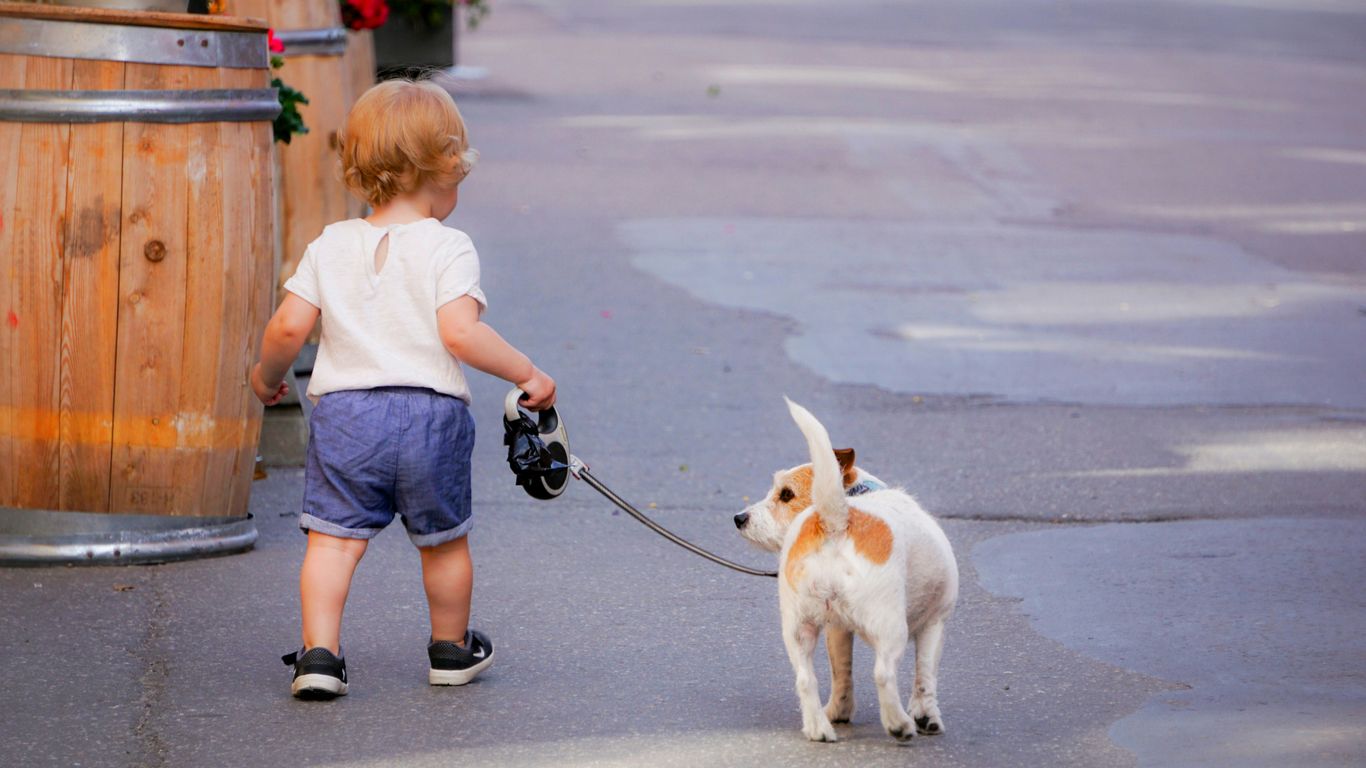
Alright, so your puppy is starting to get the hang of walking next to you, which is awesome! Now, let’s really nail down that "Heel" command. This isn’t just about having a dog walk beside you; it’s about them staying right there, paying attention, and moving with you. It takes a bit of practice, but it’s totally doable.
Luring Your Puppy into Position
First things first, let’s get your puppy where they need to be. You’ll want to pick a side – let’s say your left side for this example – and stick with it. Grab a treat, and hold it in your left hand, keeping that hand down by your side, almost like you’re showing off your watch. Your puppy’s nose should be right there, sniffing the treat. Now, take a small step forward with your left foot and say "Heel." As you take that step, move the treat slightly forward, just enough so your puppy follows it and stays in that perfect heel position next to your leg. The key here is to make it a natural follow, not a chase.
Rewarding Correct Heel Behavior
As soon as your puppy takes a step or two with you in that heel spot, stop. You’ll want to mark that good behavior with a clear "Yes!" or "Good!" and then immediately give them the treat from your hand. Don’t just shove it in their face; make it a nice, quick reward. Then, take a few more steps, maybe three or four, and repeat the process: step, say "Heel," reward. It’s all about positive reinforcement. If your puppy gets it right, they get a tasty reward. Simple as that.
Here’s a quick rundown of the reward process:
- Take a step forward with your leash-side foot.
- Say "Heel" as you step.
- Puppy moves with you in the correct spot.
- Stop, say "Good!"
- Reward with a treat.
Gradually Increasing Steps and Pace
Once your puppy is reliably following the lure for just a couple of steps, you can start to slowly increase the distance. Try four steps, then six, then maybe ten. Keep the rewards coming for good behavior. As they get better, you can start to fade the lure. Instead of holding the treat right by their nose, keep it in your hand, but still reward them after a few successful steps. Eventually, you’ll just use your hand as a visual cue, and then just the verbal command. Also, start picking up the pace a little. Don’t go running, but a brisk walk is good. This helps them understand that "Heel" isn’t just for standing still or shuffling along; it’s for actual walking.
Remember, this is a building process. Some days will be better than others. If your puppy gets distracted or pulls ahead, don’t get frustrated. Just go back to the basics, maybe use the lure again, and keep the sessions short and positive. Consistency is way more important than the length of any single training session.
Advanced Puppy Heel Techniques
Once your puppy has a good handle on the basic "Heel" command, it’s time to make things a little more interesting. This is where we really start to polish those skills and prepare your pup for real-world walking scenarios. We’re going to build on what they already know, making them more adaptable and responsive.
Incorporating Turns and Direction Changes
This is a big step! We want your puppy to stay with you no matter which way you go. Start simple. While walking in your "Heel" position, make a slow turn. As you turn, use your "Heel" cue and keep a treat near your puppy’s nose to guide them. The goal is for them to follow your movement smoothly. If they get ahead or lag behind, a gentle leash correction or a quick lure can help them readjust. Gradually make the turns sharper and the pace quicker. Practice turning left, turning right, and even doing a full 180-degree turn. It’s all about teaching them to anticipate your moves and stay glued to your side.
Adding the "Sit" Command to Heel
This technique is fantastic for reinforcing focus and control, especially in busier environments. While practicing "Heel," stop walking. As you stop, give your puppy the "Sit" command. They should sit right next to you in the "Heel" position. Once they’re sitting, praise them and give a reward. Then, cue them to "Heel" again and continue walking. This teaches them to settle and wait for your cue, rather than just blindly following. It’s a great way to break up the walking and reset their attention.
Here’s a quick breakdown:
- Start with short "Heel" sessions.
- Stop and cue "Sit" next to you.
- Reward the "Sit" in position.
- Cue "Heel" to resume walking.
Heeling Near Walls and Obstacles
This part of training is about teaching your puppy to navigate the world with you, respecting boundaries and avoiding collisions. Start by walking your puppy in "Heel" alongside a wall or a fence. This naturally helps them stay in position because there’s no room to wander off. As they get comfortable, introduce gentle obstacles like cones or even furniture. The idea is to teach them to move around these objects with you, maintaining their "Heel" position. This builds confidence and teaches them to pay attention to their surroundings and your cues simultaneously.
Remember, every puppy learns at their own pace. Don’t get discouraged if some of these advanced techniques take a little longer to master. Patience and positive reinforcement are your best friends here. Celebrate the small wins, and keep the training sessions fun and engaging for both of you.
Troubleshooting Common Heel Training Issues
So, your pup isn’t exactly strutting by your side like a seasoned pro? Don’t sweat it. Most of us run into a few bumps when teaching the ‘heel’ command. It’s totally normal for puppies to get distracted or just not quite get what we’re asking. The good news is, with a little patience and some smart adjustments, you can get past these common hurdles.
Addressing Pulling and Lagging Behind
Pulling ahead or lagging behind are probably the most frequent complaints. If your dog is constantly pulling, it might mean they’re just too excited to be out and about. Make sure your dog gets plenty of exercise and playtime at other times of the day, not just during your training walks. This helps burn off some of that excess energy. For lagging, your pup might be tired, a bit unsure, or simply not have enough room next to you. Try practicing in a familiar, comfortable spot first. Sometimes, just giving them a little more space or a gentle encouragement can make a big difference.
Here’s a quick look at what to do:
- Pulling: Focus on basic leash walking without pulling first. Ensure your dog has had enough exercise before training.
- Lagging: Check if your dog is tired or scared. Offer more space and practice in a comfortable area.
- Not Staying Close: Use a treat held near your hip to guide your dog back into position. Reward them for staying there.
Maintaining Puppy Focus Amidst Distractions
This is where things can get tricky. The world outside your living room is full of fascinating smells, sights, and sounds! If your puppy is easily distracted, start training in a quiet place, like indoors, before moving to busier spots. When you do venture out, keep your training sessions short and sweet. Using high-value treats – think tiny bits of cheese or chicken – can really help grab their attention. You can also try incorporating a ‘sit’ command when you stop; this helps your puppy refocus on you. It’s all about making yourself more interesting than the squirrel darting across the lawn!
When your puppy is struggling to focus, it’s easy to get frustrated. Remember that they are still learning and their attention span is short. Break down the training into smaller steps and celebrate even the tiniest successes. Patience is truly your best friend here.
When Your Puppy Isn’t Motivated by Treats
What if your dog just isn’t that into treats? It happens! Not all dogs are food-motivated, or maybe the treats you’re using just aren’t exciting enough. Try switching to something tastier, like small pieces of cooked chicken, cheese, or even a favorite toy if your dog is more toy-driven. Some dogs respond really well to praise and a good scratch behind the ears. Make sure you’re using a happy, encouraging tone of voice. You can also try making training a game. For example, if your dog loves to play fetch, you could incorporate short bursts of fetch into your heel practice. The key is to find what truly motivates your individual dog and use that to your advantage. You might find that teaching your dog to heel becomes much easier when you’ve figured out their reward system.
Making Puppy Heel Training a Habit
Integrating Heel into Daily Walks
So, you’ve spent some time teaching your puppy the "Heel" command, and they’re starting to get the hang of it in controlled settings. That’s awesome! But now comes the real test: making it a regular part of your everyday outings. Think of it like this: you wouldn’t just practice your favorite song once and expect to be a rockstar, right? Same idea with puppy training. We need to weave this skill into the fabric of your daily life.
Start small. Don’t expect your puppy to heel perfectly for an entire hour-long walk right away. Instead, pick a few minutes during each walk to focus solely on the "Heel" command. Maybe it’s the first five minutes as you leave the house, or a short stretch before you head back home. This keeps it manageable for both of you and prevents frustration. Consistency is the name of the game here.
Here’s a simple way to structure those short practice sessions:
- Warm-up: Begin with a quick check-in. Ask for a simple "Sit" or "Stay" to get your puppy focused on you before you even start walking.
- Heel Practice: Use your "Heel" cue for a short distance, maybe 10-20 steps. Reward generously when they stay in position.
- Transition: Release them with a cue like "Okay!" or "Free!" to let them know the formal part of the walk is over for now.
- Cool-down: End the practice segment on a positive note, perhaps with a quick game of fetch or some free sniffing time.
Consistency is Key for Success
This is where the magic really happens. If you’re the only one training "Heel," make sure you’re using the exact same cues and rewards every single time. If other family members walk the puppy, they need to be on the same page. Imagine if one person always called dinner at 6 PM, but another called it at 7 PM – it would be confusing, right? Puppies feel the same way about training. A unified approach helps them learn faster and builds their trust in you. Remember, even small, consistent efforts add up over time. It’s about building that reliable behavior through repetition and positive reinforcement. You can find more tips on building good habits in puppy training routines.
The goal isn’t perfection overnight. It’s about steady progress and building a strong foundation. Celebrate the small wins and don’t get discouraged by setbacks. Every walk is a new opportunity to practice and strengthen your bond.
When to Expand Practice Locations
Once your puppy is reliably heeling in familiar, low-distraction areas like your living room or backyard, it’s time to gradually introduce new environments. Think of it as leveling up in a game. Start with places that have only slightly more distractions, like your quiet street or the driveway. Then, slowly move to busier sidewalks, parks during off-peak hours, or even pet-friendly stores. The key is to increase the challenge incrementally. If your puppy starts struggling, don’t push it. Simply go back to a more familiar spot where they can succeed, and try the more challenging location again another day. This gradual exposure helps your puppy generalize the "Heel" command, meaning they learn to perform it in various situations, not just the one they were initially trained in.
Making your dog walk nicely by your side, or ‘heel,’ can seem tough, but it’s totally doable with the right steps. Consistent practice is key to turning this skill into a daily habit for your furry friend. Ready to make walks more enjoyable for both of you? Visit our website for expert tips and guidance on mastering the heel command and many other training essentials!
Keep Practicing for Smoother Walks
So, teaching your puppy to heel takes time and a good dose of patience. It’s not always easy, and there will be days when your pup seems to forget everything you’ve worked on. Just remember to stick with it, keep your training sessions short and fun, and celebrate those small wins. With consistent practice, you’ll both get the hang of it, and those walks will become much more enjoyable for everyone. You’ve got this!
Frequently Asked Questions
What exactly does “Heel” mean for a puppy?
The “Heel” command means your puppy walks right beside you, usually on your left side, at your pace. They shouldn’t be in front or lagging behind. It’s all about them staying close and focused on you while you walk.
Why is it important to pick just one side for “Heel”?
Choosing one side, like your left, and sticking with it helps your puppy understand what you want. If you switch sides often, your puppy can get confused and might start zig-zagging, which makes walking tricky and less enjoyable for both of you.
How do I start teaching my puppy “Heel”?
Begin in a quiet place with few distractions. Use a treat to lure your puppy into the heel position next to you. Take a few steps, praise and reward them when they stay with you. Gradually increase the number of steps and your pace as they get better.
What if my puppy pulls ahead or lags behind?
If your puppy pulls, gently guide them back to your side. If they lag, try encouraging them forward with a treat or a happy tone. You can also use a “Let’s Go!” cue. It’s important to reward them for being in the right spot.
How can I keep my puppy focused when there are distractions?
Start training in quiet areas and slowly introduce more distractions. You can also use the “Sit” command to help your puppy refocus on you. High-value treats that your puppy really loves can also help keep their attention.
Is “Heel” the same as just walking on a leash?
Not quite! Loose-leash walking means your dog walks beside you without pulling, but they have some freedom to sniff and explore. “Heel” is more precise – your dog stays in a specific spot right next to you, matching your pace, and is very focused on you. You don’t need to do “Heel” the whole walk, just when you need them close.