
Teaching your puppy good leash manners from the start is super important. It makes walks way more enjoyable for both of you, and honestly, it’s not as hard as you might think. We’ll break it down into simple steps so your furry friend can learn to walk nicely by your side. It’s all about making it fun and rewarding for them.
Key Takeaways
- Start leash training indoors with a collar or harness and leash, making it a positive experience with treats and praise.
- Use a consistent sound cue to get your puppy’s attention and reward them for looking at or coming to you.
- Practice short, frequent training sessions, gradually moving from indoors to outdoors, and always end on a good note.
- When your puppy pulls, stop moving. Only resume walking when the leash is slack. This teaches them that pulling stops the fun.
- Manage distractions by using treats to lure your puppy past tempting sights or sounds, and teach a ‘Watch Me’ cue to redirect their focus.
Getting Started With Puppy Leash Manners
Teaching your puppy how to walk nicely on a leash is a skill that takes time and practice, but it’s totally worth it. It’s not something they just know how to do, so we need to show them. Think of it like teaching them any other trick. We’ll start with the basics right in your own home where things are familiar and less overwhelming.
Introduce the Collar and Leash
First things first, your puppy needs to get used to wearing a collar or harness and the leash. Let them wear these items for short spells while you’re hanging out and playing together. The goal is to make these new accessories a positive thing, something that means good stuff is coming, like treats and fun. The key is to associate the gear with pleasant experiences.
Teach a Positive Sound Cue
Next, we’ll introduce a sound that tells your puppy, "Hey, something good is about to happen!" This could be a clicker, a simple word like "yes," or even a tongue click. In a quiet spot, with your puppy wearing their collar and leash, make your chosen sound. The instant they look at you or turn their head your way, give them a treat. Repeat this a few times. Pretty soon, they’ll start looking for you and coming over when they hear the sound, anticipating a reward. This is a great way to get their attention, and you can find more tips on using treats effectively at effective puppy training.
Make Your Puppy Come To You
Now, let’s build on that sound cue. With your puppy on the leash, make the sound, and as they start to come towards you, take a few steps back. When they reach you, reward them with a treat. Keep doing this, gradually increasing the distance you back up. Eventually, your puppy will hear the cue and not only look at you but also walk with you for a few steps. Remember, puppies have short attention spans, so keep these practice sessions brief and fun. Always try to end on a positive note when they’re still engaged and wanting more.
Essential Equipment for Leash Training
Getting your puppy used to walking on a leash is a big step, and having the right gear makes a world of difference. It’s not just about what looks good; it’s about what works best for your puppy’s comfort and your control. Choosing the right equipment is the first real step to preventing pulling before it even starts.
Choosing the Right Harness
When it comes to harnesses, there are a few styles, but for leash training, we’re often looking at ones that attach at the front of the chest. These are sometimes called ‘no-pull’ harnesses. The idea is that when your puppy pulls, the leash gently guides their head and body back towards you, rather than letting them surge forward. It’s a way to redirect their energy without causing discomfort. Think of it like a gentle nudge, not a harsh correction.
- Front-clip harnesses: These clip at the dog’s chest. They’re great for redirecting pulling.
- Back-clip harnesses: These clip on the dog’s back. They’re comfortable but don’t offer much help with pulling.
- Martingale collars: These are a bit different, designed to tighten slightly if the dog pulls, but they’re not a harness and need careful use.
Understanding Head Halters
Head halters, sometimes called head collars or gentle leaders, look a bit like a muzzle but fit around the dog’s nose and behind their ears. They offer a lot of control because when your puppy pulls, their head is gently turned back towards you. It’s a very effective tool, especially for bigger, stronger puppies or if you’re finding it tough to manage their pulling. However, you have to be careful with these. If you yank or pull too hard, you could hurt your puppy’s neck. So, if you go this route, use them gently and with a clear understanding of how they work.
Selecting Motivating Treats
What’s a training session without rewards? Treats are like gold stars for your puppy. You want something small, tasty, and easy to carry. Think tiny pieces of dried meat, cheese bits, or special training treats. The key is that your puppy loves them. These aren’t just any old kibble; these are the ‘wow, I did a good job!’ treats. Having a good stash of these means you can reward your puppy frequently for good leash manners, making the whole experience positive and rewarding for both of you.
The goal with equipment and treats is to make learning enjoyable and effective. It’s about building a good relationship with your puppy, not just getting them to walk in a straight line. Positive experiences now set the stage for a lifetime of pleasant walks.
Practicing Puppy Leash Manners Indoors
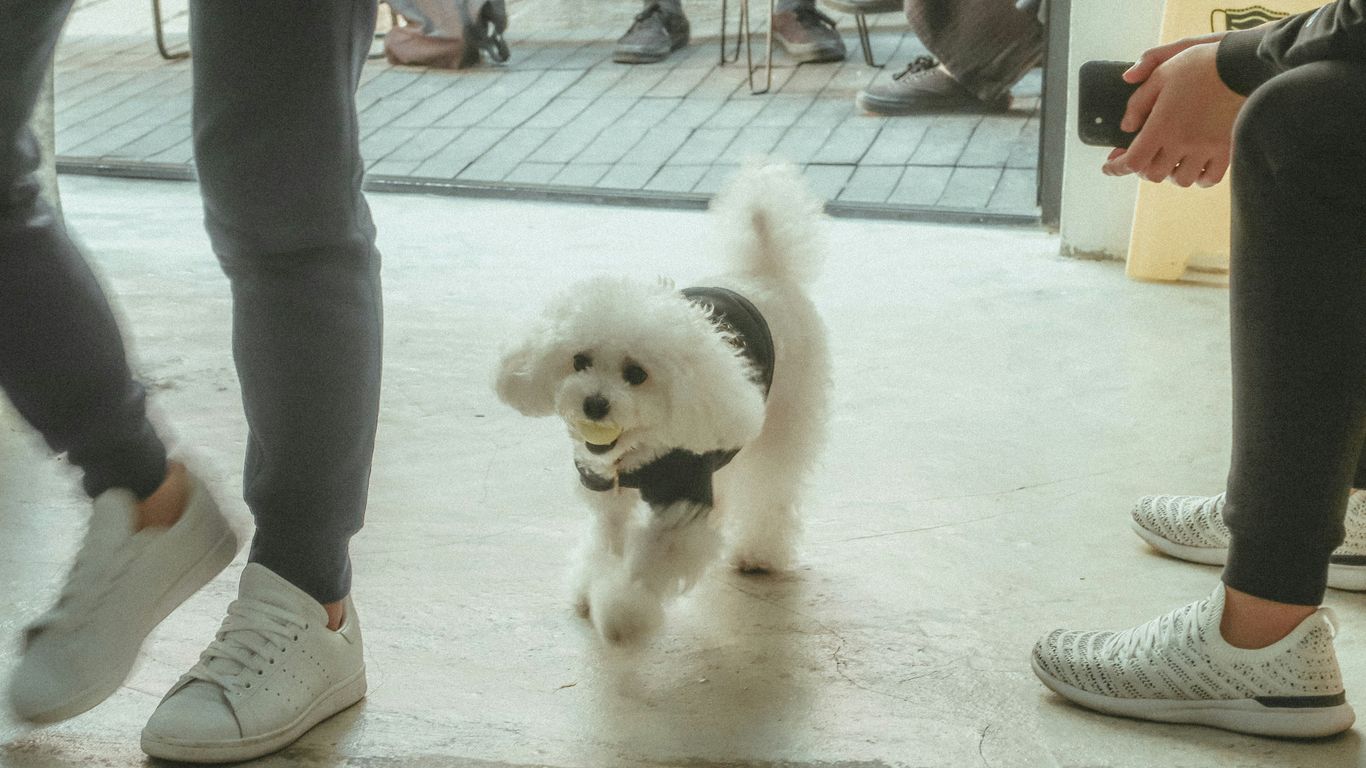
Alright, so your pup is starting to get the hang of the collar and leash inside the house. That’s awesome! Now, we want to build on that success and make sure they’re not just tolerating the leash, but actually understanding what you want them to do while wearing it. This is where we really start shaping those good walking habits before the big wide world gets involved.
Reinforce Coming to You
Remember that sound cue we worked on? It’s time to put it to good use. With your puppy on the leash, give your cue. The second they turn towards you or take a step in your direction, praise them! If they come all the way to you, fantastic! Give them a high-value treat and lots of happy talk. You can even take a few steps backward as they approach, encouraging them to follow you. This helps them understand that coming to you, even with the leash on, is a super rewarding experience. We want them to associate the leash with positive interactions, not just being pulled along. Keep these little practice sessions short and sweet, maybe just a minute or two at a time. You can find more tips on getting your puppy to come to you if you need a refresher.
Short, Engaging Sessions
Puppies have the attention span of a gnat, right? So, trying to do long, drawn-out training sessions is just asking for frustration. Instead, aim for multiple, super-short bursts of practice throughout the day. Think 3-5 minutes, maybe 2-3 times a day. This keeps things fun and prevents your puppy from getting bored or overwhelmed. Always try to end on a positive note, when your puppy is still engaged and happy, so they look forward to the next session. It’s better to stop while they’re still wanting more than to push them until they’re tired and grumpy.
Positive Reinforcement Techniques
This is the golden rule: reward the behavior you want! When your puppy is walking beside you with a loose leash, even for just a few steps, mark that moment with praise and a tasty treat. If they happen to look up at you, that’s a win! Treat! If they don’t pull when you take a step, treat! We’re building a positive association with walking nicely. Avoid punishment or yanking the leash; that just creates confusion and fear. The goal is to make your puppy want to walk with you, not feel forced. Consistency is key here. Every time they walk nicely, reward it. Over time, they’ll learn that a loose leash means good things happen.
Training takes time and patience. Some days will be better than others, and that’s perfectly normal. Celebrate the small victories and don’t get discouraged by setbacks. Your puppy is learning a whole new language, and you’re their guide.
Transitioning to Outdoor Walks
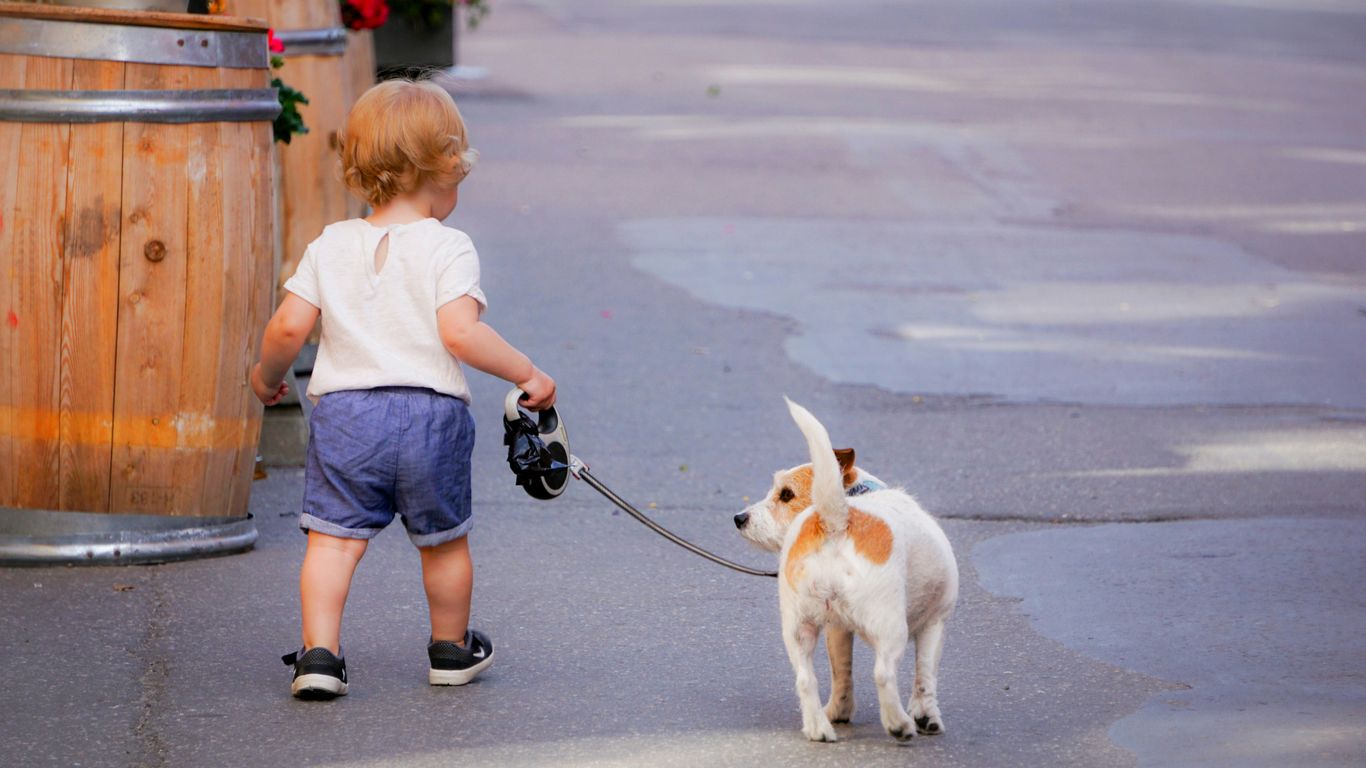
Okay, so you’ve done some good work inside, and your pup is starting to get the hang of walking nicely. That’s awesome! Now comes the big adventure: heading outside. It’s a whole new world out there for your dog, full of exciting smells and sights, which can make training a bit trickier. The key is to take it slow and steady.
Navigating New Environments
Taking your puppy outside for the first time on leash can be a bit overwhelming, both for you and for them. Think about it – the backyard is familiar, but the street? That’s a whole different ballgame. There are cars, other dogs, people, and a million new smells. It’s a lot to process!
- Start small: Don’t aim for a long trek on the first outing. A quick walk around the block or even just down the driveway is a great start.
- Choose quiet times: Try to go out when it’s less busy. Early mornings or late evenings might be better than peak hours.
- Keep it positive: Lots of praise and high-value treats (think tiny bits of chicken or cheese) will help your puppy associate the outdoors with good things.
Managing Distractions Outdoors
Distractions are everywhere outside, and they can really derail your training. A squirrel darting across the path, a loud truck rumbling by, or another dog walking on the other side of the street can all grab your puppy’s attention in a heartbeat. When this happens, your puppy might forget all the great leash manners they’ve been practicing indoors.
When your puppy gets distracted, it’s easy to get frustrated. Remember that this is a learning process for them. Instead of pulling them back or getting angry, try to redirect their attention gently. Sometimes, just stopping for a moment and waiting for them to calm down can work wonders.
Here’s a quick look at how to handle common outdoor distractions:
| Distraction Type | What to Do |
|---|---|
| Other dogs | Keep a safe distance, reward calm behavior. |
| Noisy vehicles | Move away if possible, offer treats for ignoring. |
| Small animals | Practice ‘leave it’ or redirect attention. |
Keeping First Walks Brief
Your puppy’s attention span is still developing, and the outside world is incredibly stimulating. Long walks, especially at first, can lead to overstimulation, frustration, and a regression in their training. Short, frequent outings are much more effective than one long, exhausting one. Aim for 5-10 minutes initially, focusing on positive experiences rather than distance. You can gradually increase the duration as your puppy gains confidence and better leash manners. This approach helps build a solid foundation for enjoyable walks ahead.
Troubleshooting Common Leash Pulling Issues
It’s pretty common for puppies to get a bit overexcited when they’re out and about, and that often translates to pulling on the leash. Don’t worry, it’s usually a phase, and with a little patience and the right techniques, you can help your pup learn to walk nicely beside you. The key is to be consistent and to make sure you’re not accidentally rewarding the pulling behavior. Sometimes, it just takes a bit of time for them to figure out what you’re asking.
What to Do When Your Puppy Pulls
When your puppy starts to pull ahead, the first thing to try is a simple U-turn. Gently turn yourself around and walk in the opposite direction. You can make a little kissy sound or say "Turn!" in a happy voice to let them know you’ve changed direction. As soon as they catch up and are walking with you again, offer a treat. This teaches them that staying close is more rewarding than forging ahead. It’s a good idea to have some tasty treats ready for these moments. If you’re looking for more tips on how to manage pulling, the AKC GoodDog! Helpline has some great advice.
The ‘Be a Tree’ Method
This one is pretty straightforward. If your puppy pulls and the leash gets tight, just stop. Stand completely still, like a tree. Don’t say anything, don’t yank the leash, just wait. Eventually, your puppy will likely get curious about why you’ve stopped and will probably look back at you or move closer. The moment the leash slackens, even a little, praise them and give them a treat. This shows them that pulling stops the fun, but a loose leash means good things happen. It might take a few tries, but it’s a really effective way to communicate that pulling doesn’t get them where they want to go.
Implementing Penalty Yards
Sometimes, the ‘Be a Tree’ method needs a little extra oomph, especially if your pup is particularly persistent. This is where ‘penalty yards’ come in. If your puppy pulls, you stop (like being a tree). If they continue to pull or strain against the leash, you might take a few steps backward, essentially giving them a ‘penalty yard’ or two. This isn’t about punishment, but about resetting the situation. Once they stop pulling and the leash is loose, you can try moving forward again. It’s a way to clearly show them that pulling makes the walk stop or even go backward, while a loose leash allows progress. It’s important to remember that training takes time, and some puppies are naturally more energetic or stubborn than others. Patience is key, and celebrating small wins will keep you both motivated.
It’s easy to get frustrated when your puppy pulls, but remember they’re still learning. Keep your training sessions short and positive, and try not to get discouraged if progress isn’t immediate. Every puppy learns at their own pace, and consistency is more important than speed.
Addressing Leash Lunging Behavior
Lunging on leash can be a real head-scratcher, right? One minute you’re enjoying a peaceful stroll, the next your pup is lunging forward like they’ve spotted a squirrel convention. It’s not just annoying; it can be a bit scary and definitely makes walks less fun. Understanding why your dog lunges is the first step to fixing it. Often, it’s a mix of excitement, frustration, or even a bit of fear when they see something they really want to investigate or react to.
Recognizing Lunging Triggers
Dogs lunge for all sorts of reasons. It’s usually tied to something they’re intensely interested in or trying to get away from. Common triggers include:
- Other dogs: This is a big one. They might want to play, or they might be feeling anxious and want to make the other dog go away.
- People: Especially if they’re excited to greet someone, or if they’re wary of strangers.
- Small animals: Squirrels, cats, birds – you name it, a dog might lunge for it.
- Vehicles: Some dogs are fascinated or scared by cars and bikes.
- Sounds: Loud noises can sometimes cause a startled lunge.
It’s important to observe your dog’s body language before the lunge happens. Are their ears perked? Is their tail stiff? Are they staring intently? Catching these signs can help you intervene before the lunge even starts.
Using a Lure for Distractions
When you know a trigger is coming up, like another dog on the sidewalk, you can use a high-value treat to redirect your pup’s attention. This is where a good lure comes in handy. Keep some super tasty morsels in your pocket. As you approach the distraction, get your dog’s attention with the treat. You can hold it right in front of their nose and move it slightly, encouraging them to follow it with their nose. This keeps their focus on you and the yummy reward, rather than the distraction. As your dog gets better, you can start to fade this out, but for those tricky moments, it’s a lifesaver. This technique is particularly helpful when you’re trying to pass a tempting distraction.
Teaching a ‘Watch Me’ Cue
This is a fantastic cue to have in your arsenal. It’s basically teaching your dog to make eye contact with you on command. When you see a potential trigger ahead, before your dog even notices it, you can say "Watch me!" The moment they look at you, praise them and give them a treat. You want to make looking at you more rewarding than whatever they were about to lunge at. Start this in a quiet environment with no distractions, and gradually increase the difficulty. Practice it often, so it becomes second nature for your dog to check in with you when they see something interesting. This helps build a stronger connection and gives you a way to regain their focus when needed.
Advanced Leash Manners Training
Encouraging Independent Walking
So, your pup is doing pretty well on the leash, huh? That’s great! Now, we want to get them to a point where they’re not glued to your hip every second, but still walking nicely. This means teaching them to walk with you, but also to be okay with a little bit of space. Think of it like a dance – you’re partners, but you don’t have to be tripping over each other. We’re aiming for a relaxed walk where your dog is aware of you, but not constantly looking for a treat or a cue to move.
Gradually Reducing Treats
Okay, so you’ve been using treats to get your dog to walk nicely. That’s a smart move! But we don’t want your dog to only walk well when they see a piece of kibble. The goal is to fade those treats out. Start by making them less frequent. Instead of a treat every few steps, maybe try every five or ten steps. Then, mix it up. Sometimes give a treat, sometimes give a good scratch or a happy word. The key is to keep them guessing a little, so they’re motivated by more than just food. You can also start using the environment as a reward. If they walk nicely for a bit, you can release them to sniff a bush or greet a friendly passerby (if that’s appropriate).
Maintaining Loose Leash Walking
This is the big one, right? Keeping that leash slack. It takes practice, and it’s not always perfect, especially with distractions. Here’s a quick rundown of how to keep it going:
- Reward the slack: Anytime you notice the leash is loose, mark it with a word like ‘yes’ or a clicker, and give a treat. Make it a big deal!
- Stop when they pull: If the leash gets tight, just stop. Don’t yank or pull back. Stand still like a tree until the leash loosens. Then, start walking again.
- Change direction: If they pull ahead, turn and walk the other way. This teaches them that pulling doesn’t get them where they want to go.
- Use their name: If they start to drift, call their name and reward them when they look at you or come back into position.
It’s easy to get frustrated when your dog pulls, but remember, they’re just excited about the world. Your job is to show them that walking politely with you is more rewarding than pulling ahead. Patience is your best friend here. Keep sessions short and positive, and celebrate the small wins. Your dog will get there with consistent effort and a good attitude.
Mastering your dog’s leash manners can make walks so much more enjoyable for both of you. It’s all about clear communication and building trust. Want to learn the best ways to teach your dog to walk nicely by your side without pulling? Visit our website for expert tips and step-by-step guides on advanced leash manners training.
Keep Practicing for Pleasant Walks
So, teaching your puppy to walk nicely on a leash takes time and patience, but it’s totally doable. Remember to keep training sessions short and fun, especially when you’re just starting out. Use plenty of treats and praise to show your pup what you like. Don’t get discouraged if there are setbacks; every dog learns at their own pace. With consistent effort and positive reinforcement, you’ll both be enjoying relaxed, enjoyable walks together in no time. Happy trails!
Frequently Asked Questions
How do I get my puppy used to wearing a collar and leash?
Start by letting your puppy wear the collar or harness and leash for short periods inside your home. Make it a positive experience by playing games and giving treats while they have it on. This helps your puppy connect the gear with fun and rewards.
What’s the best way to teach my puppy a cue for good behavior?
Choose a simple sound, like a click or a word like ‘yes.’ In a quiet spot, make the sound, and the moment your puppy looks at you, give them a treat. Repeat this often. Soon, your puppy will start looking for you and coming to you when they hear the sound, expecting a reward.
Why does my puppy pull on the leash so much?
Puppies often pull because walking beside you doesn’t make sense to them naturally. They’re also eager to explore everything around them! Using a front-clip harness or a head halter can give you more control. Also, remember to make sure your puppy gets enough exercise before walks, so they’re less energetic.
What should I do if my puppy keeps pulling ahead of me?
When your puppy starts to pull, stop walking immediately and stand still like a tree. Don’t move again until the leash slackens. This teaches your puppy that pulling stops the fun of walking. Once the leash is loose, you can start walking again. You can also try gently turning around and walking in the opposite direction.
How can I stop my puppy from lunging at things during walks?
If you see your puppy about to lunge at a distraction, use your cue sound and step away. Reward them with a treat for following you. You can also use a tasty treat to lure them past tempting things, or teach a ‘Watch Me’ cue to get their attention back on you before they get too focused on the distraction.
When should I start reducing treats for leash walking?
Once your puppy is consistently walking nicely beside you, you can start giving treats less often. Instead of rewarding every few steps, reward them randomly. Make sure not to reduce treats too quickly, or your puppy might get discouraged. Keep it fun and rewarding!