
Teaching your puppy to come when called is super important, right? It’s not just about showing off; it’s about keeping them safe and having more fun together. But let’s be honest, sometimes training can feel like a chore. That’s where puppy recall games come in! They turn practice into playtime, making sure your furry friend actually *wants* to listen. We’re going to look at some fun ways to get your puppy running back to you every single time, no matter what’s going on around them. Get ready to make recall the easiest, most rewarding thing your dog does.
Key Takeaways
- Make recall training fun by turning it into games your puppy will love.
- Use high-value treats and enthusiastic praise to reward your puppy for coming back.
- Start recall games in a quiet place and gradually add distractions as your puppy improves.
- Vary your games and rewards to keep your puppy engaged and prevent boredom.
- Avoid ending training sessions with the recall command, so your puppy doesn’t associate coming to you with the fun ending.
Mastering The Recall: Essential Puppy Games
Getting your puppy to zoom back to you when you call is one of those super satisfying parts of having a dog. It’s not just about showing off at the park, though that’s fun too. A solid recall means your pup is safe, and you can relax a bit more when you’re out and about. Think of it as building a really strong connection, a secret language between you and your furry friend. We’re going to start with some simple games that make coming to you the best thing ever for your puppy.
The Joy Of A Reliable Recall
There’s nothing quite like the feeling when your puppy, mid-zoomie, hears your call and turns on a dime, heading straight for you with a wagging tail. It’s a moment of pure connection. This isn’t just about obedience; it’s about trust and a shared understanding. When your puppy knows that coming to you means good things – like praise, a favorite toy, or a tasty treat – they’ll be much more eager to respond. It makes walks more enjoyable and adventures safer. A reliable recall is the foundation of a happy, well-behaved dog.
Why Puppy Recall Games Are Crucial
Puppies have a lot of energy and curiosity, which is great, but it also means they can get easily distracted. Playing recall games turns training into something fun and engaging for them, rather than a chore. These games help build their focus on you, even when there are squirrels or other dogs around. It’s a way to teach them that listening to you is rewarding and exciting. Plus, it strengthens your bond. Instead of just telling them what to do, you’re playing together and teaching them valuable life skills in a positive way.
Setting The Stage For Success
Before you even start playing, let’s get a few things sorted. First, pick a word – like “come” or “here” – and stick to it. Use a happy, encouraging tone of voice. Avoid using the recall word when you’re frustrated or when it’s time for something your puppy might not like, like leaving the park. You want your puppy to associate that word with positive experiences. Also, start in a quiet, low-distraction area, like inside your house or a fenced yard. This helps your puppy focus on you and the game without too many other things pulling their attention away. Having some really good treats or a favorite toy handy is also a must.
Remember, consistency is key. Even short, fun training sessions every day will make a big difference. Don’t get discouraged if your puppy doesn’t get it right away. Every dog learns at their own pace, and making it a positive experience is the most important part.
Here are a few things to keep in mind:
- High-Value Rewards: Use treats your puppy absolutely loves – think small pieces of chicken, cheese, or special training treats. These are more motivating than their regular kibble.
- Positive Reinforcement: Always praise your puppy enthusiastically when they come to you, even if it takes them a moment. A happy voice and a good reward go a long way.
- Keep it Short and Sweet: Puppies have short attention spans. Aim for multiple short sessions (5-10 minutes) throughout the day rather than one long, drawn-out session.
- End on a High Note: Always try to end your training sessions with a success, so your puppy feels good about practicing. This might mean calling them for a final treat and then letting them go play again. This helps prevent them from seeing recall as the signal that the fun is over. You can even try a fun game of hide and seek to keep things interesting.
Engaging Puppy Recall Games
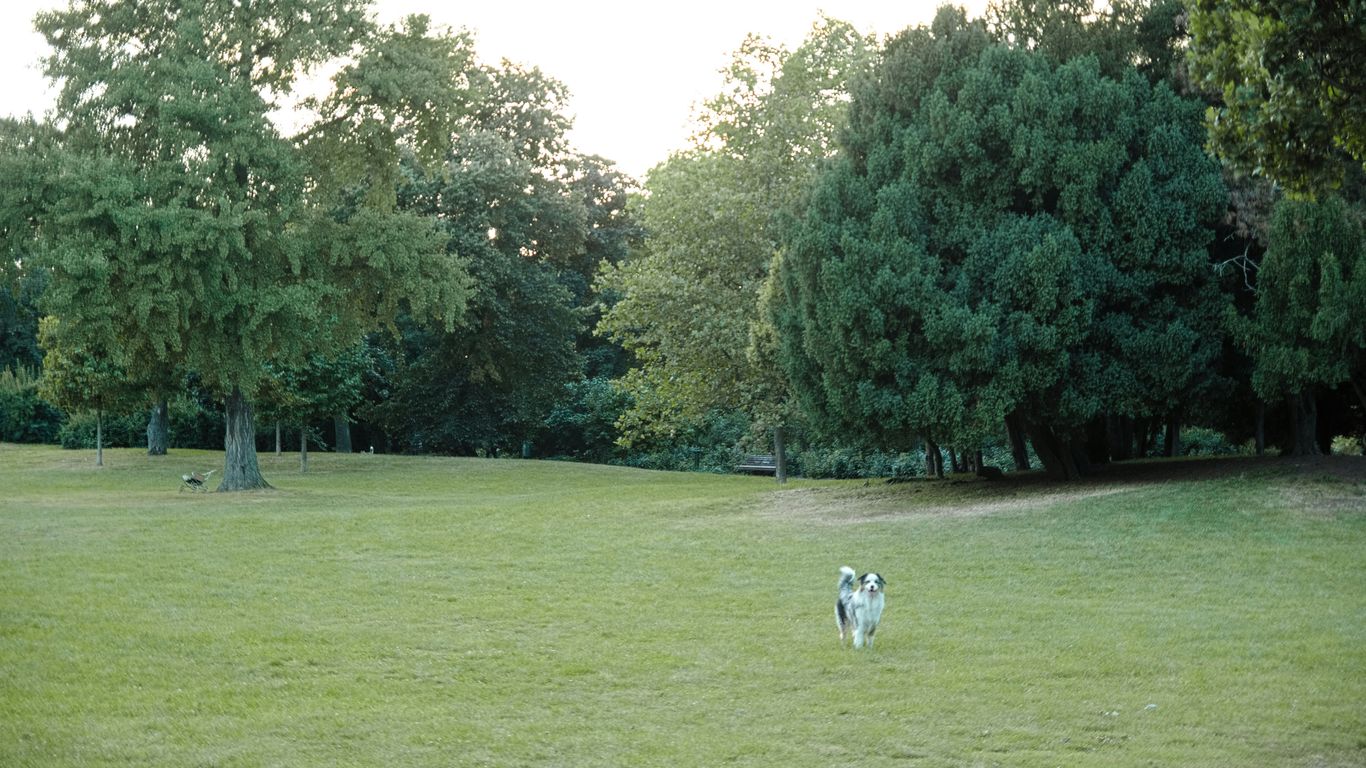
Puppies have a ton of energy, and channeling that into training games is a fantastic idea. It keeps their minds busy and builds a strong bond between you. But, if you stick to the same old routine, your clever pup might just get bored and start outsmarting you. That’s where a few new, exciting recall games come in handy. These aren’t just about getting your dog to come back; they’re about making that return trip a joyful event for both of you.
The Chase Recall Challenge
This game is all about tapping into your puppy’s natural instinct to chase. It’s super simple but really effective for getting them excited about coming to you. You’ll need some high-value treats – the kind that make your puppy’s eyes light up.
Here’s how to play:
- Start with your puppy a short distance away. Have your treats ready in a pouch.
- In a happy, inviting tone, say your recall word (like ‘Come!’ or ‘Here!’).
- As you say it, take a few steps backward, away from your puppy.
- When your puppy starts moving towards you, praise them enthusiastically.
- As they get closer, keep backing up, encouraging them to cover more ground.
- Gradually increase the distance you back away. You can even turn your back and run a few steps forward, then call them to you.
The key is to make yourself the most exciting thing in their world at that moment. It’s like a fun game of tag where they always win by reaching you.
Back Away Recall Fun
This game is similar to the chase but focuses more on your puppy watching you and deciding to follow. It’s great for building their attention on you.
- Get your puppy on a leash or a long line so they feel secure but have some freedom to explore.
- Wait for your puppy to naturally look at you. This is your cue!
- As soon as they make eye contact, start backing away quickly and excitedly.
- Use a happy voice to encourage them to follow you. Think of it as a playful invitation.
- When they reach you, give them a fantastic reward – a treat, a quick game with a toy, or lots of praise.
Once your puppy is reliably following you, you can start adding your recall cue just as they look at you, right before you start backing away. It’s all about making them want to come to you.
This game is particularly good for puppies who might be a little hesitant or easily distracted. By making yourself the exciting destination, you’re teaching them that coming to you is always the best option, no matter what else is going on.
Dinnertime Recall Rewards
Who says training can’t happen during mealtime? This is a brilliant way to use something your puppy already loves – their food – as a reward for coming to you. It’s practical and effective.
Here’s the setup:
- Prepare your puppy’s dinner.
- While they wait (you can ask for a ‘sit’ or ‘down’ if they know it), move a few feet away from where you’ll be serving.
- Call your puppy to you using your recall word.
- As soon as they arrive, place their food bowl down. They’ve earned their meal!
As your puppy gets better, you can make it a bit more challenging. Try preparing their food, then taking the bowl into another room. Call them to you, and when they come, they get to eat. This adds an extra layer of distance and makes the recall even more rewarding. It’s a simple concept, but it works wonders for building a strong recall habit.
Advanced Puppy Recall Techniques
Once your puppy has a solid grasp on the basics, it’s time to ramp things up a bit. These games introduce a bit more complexity and focus, helping your dog understand that recall isn’t just about coming when called, but about paying attention and responding even when things get a little more interesting. We want to build a recall that’s reliable, even when there are other exciting things happening.
Ping Pong Recall With Family
This game is fantastic for getting everyone in the household involved in practicing recall. It turns recall training into a fun, interactive activity that strengthens your puppy’s response to multiple people. The key here is consistency and ensuring everyone uses the same high-value rewards.
Here’s how to play:
- Preparation: Make sure each family member has some really tasty treats or a favorite toy ready.
- The Call: One person calls the puppy using the recall cue. Wait for the puppy to come all the way to them.
- Reward: The person who called the puppy marks the behavior (with a word like ‘yes!’) and gives the reward.
- Rotation: Immediately after, another family member calls the puppy. The puppy should go to the new person and get rewarded by them.
- Keep it Moving: Continue rotating through family members. The person who calls the puppy should be the one to reward them. This helps the puppy associate coming to a specific person with a positive outcome.
This game is great because it teaches your dog that coming to different people is rewarding and fun. It also helps family members understand the importance of consistent training and rewarding. It’s a great way to build a strong recall with every member of your family.
The Counting Game For Focus
This game is a bit different and is brilliant for building focus, especially when distractions are starting to creep in. It’s inspired by the idea of making recall unconditional and removing pressure. It’s a great way to see what might be distracting your dog by how quickly they respond.
To play:
- Get a handful of small, super tasty treats.
- Start counting the treats out loud, one by one, placing them on the ground in front of you.
- Your puppy will likely get curious and come over to see what’s happening. As they approach, praise them.
- Let them eat the treats off the ground.
- Move a short distance away and start counting and placing treats again.
As you practice, your puppy will start to anticipate the game and come running when they hear you start counting. The beauty of this game is that the reward is always there, regardless of how fast they come. If you notice you’re counting to a higher number before your dog responds, it’s a good indicator that something in the environment is pulling their attention. This is valuable information for future training sessions.
Get The Ball Recall Excitement
This technique taps into your puppy’s natural prey drive and love for toys, especially fetch. It’s about making the recall cue the signal for something incredibly fun to happen – like getting their favorite ball.
- Start Simple: Begin in a low-distraction area. Have your puppy’s favorite ball ready.
- The Cue: When your puppy is looking at you, say your recall cue (‘come’ or ‘here’).
- The Reward: As soon as they start moving towards you, get excited! When they reach you, immediately give them the ball and praise them. You can even throw it a short distance to start a mini-game of fetch.
- Build Distance: Gradually increase the distance between you and your puppy as they get more reliable.
This method makes coming to you the most exciting part of the game. It’s not just about getting a treat; it’s about getting the chance to play with their most prized possession. This can be particularly effective for puppies who are highly toy-motivated. Remember to keep the energy high and make it a positive experience every time.
Building Enthusiasm For Recall
Making your puppy excited to come to you is half the battle. If recall feels like a chore, your dog will start to avoid it. We want them to think, "Oh boy, they’re calling me! This is going to be awesome!" It’s all about making yourself the most interesting thing in their world, even when there are squirrels or other dogs around. This means using rewards that truly get them fired up and turning every call into a mini-party.
Best Dog In The World Recall
This game is designed to make your puppy think you are the most amazing person on the planet when they come to you. Start by getting your puppy’s attention with a happy, high-pitched voice. When they look at you, immediately praise them and toss a super-tasty treat a short distance away. As they go to get it, call them back to you with a cheerful tone. The key is to make yourself the source of all good things.
Here’s how to play:
- Get a handful of high-value treats (think tiny bits of cheese or cooked chicken).
- Crouch down and get your puppy’s attention. Make silly noises or clap your hands softly.
- When your puppy looks at you, say "Yes!" and toss a treat a few feet away.
- As your puppy eats the treat, call them with your recall word (like "Come!") in an excited voice.
- When they reach you, give them another treat and lots of praise. You can even give them a quick, fun pet.
- Repeat this several times, gradually increasing the distance you toss the treat.
Remember, the goal is to associate your presence and your call with immediate, fantastic rewards. Don’t just call them and then put them on a leash to go inside; that can make them think recall means the fun stops. Instead, after they come and get their reward, release them back to play for a moment before ending the session.
The Keep Away Game For Finishes
This game focuses on what happens after your puppy reaches you. We want to teach them a specific, positive ending behavior. For example, maybe you want your puppy to sit right in front of you and make eye contact when they arrive. This helps them understand that coming to you isn’t just about the reward, but about performing a specific action that earns an even bigger reward.
To play:
- Decide on your desired finish behavior (e.g., a sit, a touch to your hand, or standing by your leg).
- Start in a low-distraction area. Call your puppy to you.
- As they approach, cue the desired finish behavior. For a sit, you might lure them into a sit with a treat.
- The moment they perform the behavior, mark it with a word like "Yes!" or a clicker, and then give them a high-value reward.
- Practice this consistently. You’re building a strong association between coming to you and performing that final action, making the recall more polished and rewarding.
Play Tennis Recall With Friends
Once your puppy has a good grasp of recall in quieter settings, it’s time to add a bit more excitement. This game involves a friend and a favorite toy, like a tennis ball. It’s great for building enthusiasm because it taps into your puppy’s natural prey drive and love for play.
Here’s how it works:
- Have a friend stand a short distance away with a tennis ball.
- Your friend should tease your puppy a little with the ball, making it look super fun.
- When your puppy is focused on the ball, have your friend toss it a short distance away from them.
- As soon as the ball is tossed, call your puppy to you with your recall cue.
- When they come, reward them with praise and a different, equally exciting toy or a special treat. Don’t let them have the tennis ball immediately; that’s your friend’s job after they’ve completed the recall.
- Your friend can then retrieve the ball and repeat the process. This game teaches your puppy that coming to you is even better than chasing the ball, because it leads to a different, special reward.
Making Recall Practice Rewarding
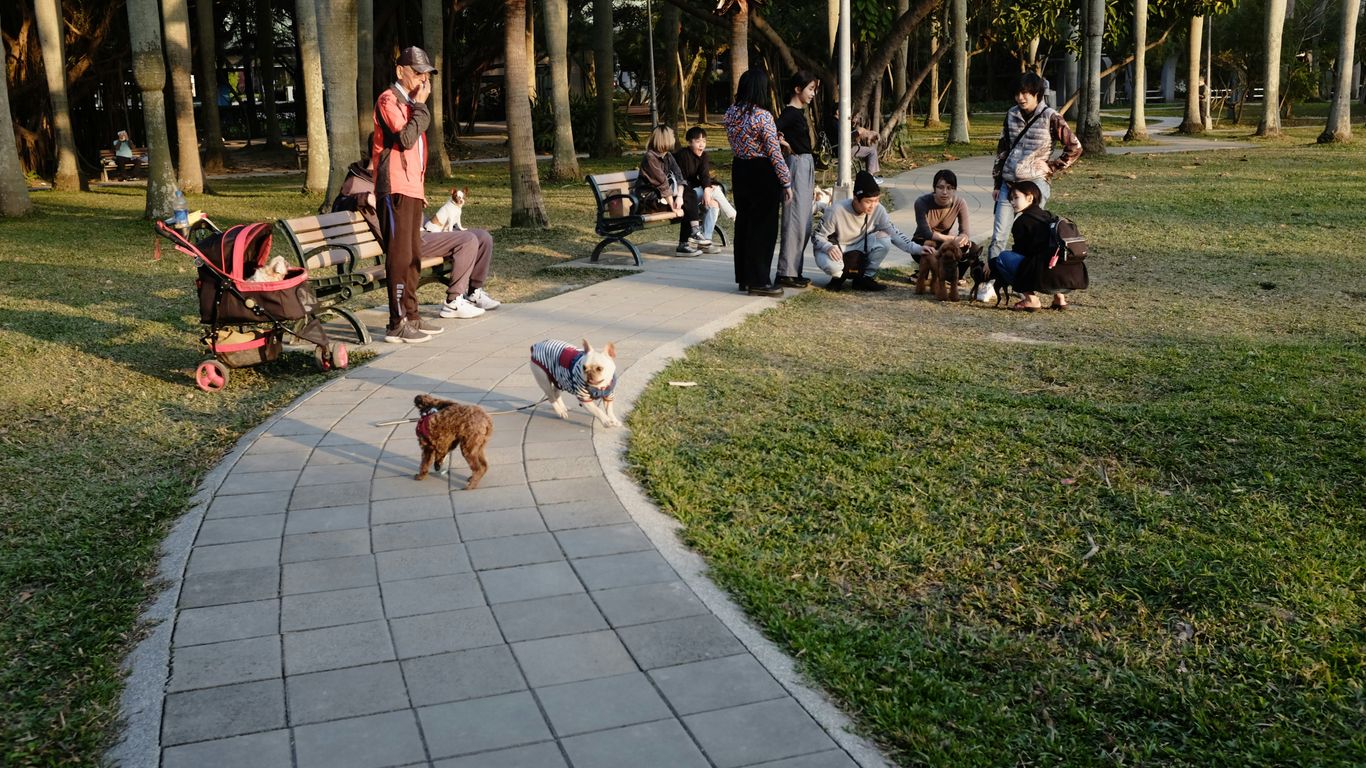
Training your puppy to come when called doesn’t have to feel like a chore. In fact, making it a game is the best way to get your dog excited about returning to you. When training is fun, both you and your pup are more likely to stick with it. The key is figuring out what really gets your dog motivated. Some dogs go wild for a favorite toy, others can’t resist a tasty treat, and some just love a good play session with you. Discovering your dog’s personal motivators is half the fun!
The Name Game For Attention
This game is all about getting your puppy to focus on you, even when there are other things happening around. Start by saying your puppy’s name in a happy, upbeat tone. The moment they look at you, even for a second, give them a small treat and some praise. The goal is to make your puppy associate their name with good things happening. You can gradually increase the difficulty by saying their name when they are a little further away or when there are mild distractions. It’s a simple way to build their attention span and make them eager to check in with you.
Hide And Seek Recall Adventures
Who doesn’t love a good game of hide-and-seek? This is a fantastic way to make recall exciting. Start by having one person hold your puppy while another hides a short distance away, perhaps behind a piece of furniture or a door. When you’re ready, call your puppy’s name in an enthusiastic voice. When they find you, shower them with praise and a high-value treat. This game taps into their natural curiosity and makes coming to you a rewarding discovery. You can involve children in puppy training with this game, making it a family affair.
Hand Target Recall Precision
This technique helps build focus and a clear understanding of where you want your puppy to go. Start by holding a treat in your closed fist. Let your puppy sniff your hand. When they touch your hand with their nose, say “Yes!” and give them the treat. Once they understand this, start moving your hand slightly away from your body, encouraging them to follow. As they follow your hand, say your recall cue, like “Come!” When they reach your hand, reward them. This method helps your puppy learn to move towards a specific point, which is a great foundation for a precise recall. It’s amazing how quickly they pick up on this!
Remember, consistency is key. Even when you’re not actively training, try to make everyday interactions positive. If your puppy comes to you for any reason, even just to check in, offer a quick word of praise or a tiny treat. This reinforces the idea that being near you is always a good thing.
Troubleshooting Recall Challenges
Sometimes, even with the best intentions and the most fun games, your puppy’s recall might hit a snag. It’s totally normal! Think of it like learning to ride a bike; there are wobbly moments and maybe a few tumbles. The key is to figure out what’s going wrong and adjust your approach. We don’t want our pups to think coming to us is a chore, right? So, let’s look at some common hiccups and how to smooth them out.
Avoiding Recall Mistakes
It’s easy to accidentally make recall training harder than it needs to be. One big one is repeating the cue over and over. If you say “Come! Come! Come!” and your dog doesn’t budge, you’ve just taught them that the word “come” is background noise. This is sometimes called a “poisoned cue.” Another common pitfall is only calling your dog when it’s time to end something fun, like going inside or getting off the leash. This makes “come” a cue for the party to stop. Instead, try calling your dog, rewarding them, and then letting them go back to what they were doing. This keeps the association positive.
- Don’t repeat the recall cue endlessly.
- Never punish your dog for coming, no matter how long it took.
- Mix up rewards – sometimes a treat, sometimes a favorite toy, sometimes just enthusiastic praise.
A reliable recall is a lifesaver, but it’s built on trust and positive experiences. If your dog is hesitant, it’s usually a sign that something in the training needs a tweak, not that your dog is being stubborn.
When Distractions Are High
This is where things can get tricky. Your puppy might be a recall superstar in the living room, but suddenly deaf to your calls at the park. That’s because the world outside is full of amazing smells, sights, and sounds that are way more interesting than you, at least in that moment. When distractions are high, you need to make yourself and the recall cue even more appealing. Using a long training lead, like a 30-foot one, can be a lifesaver here. It allows your dog some freedom to explore but keeps them connected to you, so you can practice recalls without them running too far away. Start with shorter distances, maybe just 10 feet, and gradually increase it as they get better. This helps build their confidence and your confidence in their recall, even with distractions around. You can find helpful tools for this at dog training supplies.
| Distraction Level | Recommended Distance | Reward Value |
|---|---|---|
| Low (Indoors) | 5-15 feet | High |
| Medium (Yard) | 15-30 feet | High |
| High (Park) | 30+ feet (on lead) | Very High |
Keeping Games Fresh And Fun
Even the best games can get old if played the same way every single time. To keep your puppy excited about recall, you’ve got to mix things up. Try changing the rewards – maybe one day it’s a special squeaky toy, the next it’s a tiny piece of cheese. You can also change where you play. If you always practice in the backyard, try a quiet corner of a park or a friend’s yard. Introducing new people or other well-behaved dogs into the game can also add a fun challenge. Remember, the goal is for your dog to think, “Wow, coming to my human is the best thing ever!” If the games start to feel repetitive, your puppy might get bored, and that’s when you might see their recall start to slip. So, keep it exciting, keep it varied, and keep those tail wags going!
Sometimes, training your dog can hit a few bumps in the road, and you might face recall challenges. Don’t worry, these common issues are often fixable with the right approach. If you’re struggling to get your furry friend to come back when called, we’ve got tips to help. Visit our website for expert advice and solutions to make sure your dog always returns to you, no matter the distraction.
Keep the Fun Going!
So, you’ve tried out some recall games, and maybe your puppy is starting to get the hang of it. That’s awesome! Remember, training is all about consistency and making it enjoyable for both of you. Don’t get discouraged if there are off days; every dog learns at their own pace. Keep practicing these games, mix them up, and always end on a positive note. A strong recall isn’t just about obedience; it’s about building a better connection with your furry friend and giving them the freedom they deserve. Happy training!
Frequently Asked Questions
Why is teaching my puppy to come when called so important?
Teaching your puppy to come back to you every time you call is super important for their safety. Imagine if they ran towards a busy road or got lost in a park – being able to call them back quickly could be a lifesaver! It also means you can give them more freedom, like letting them run around off-leash during walks.
How can games help my puppy learn to come when called?
Puppies learn best when they’re having fun! Games make training exciting and less like a chore. When you turn recall practice into a game, your puppy gets really motivated to come to you because they know something awesome is waiting. It builds a positive connection between coming to you and getting rewarded.
What’s the best way to start teaching recall games?
Start in a quiet place with few distractions, like inside your house or a fenced yard. Use really yummy treats or a favorite toy as a reward. Make sure your puppy sees the reward first, then call them. As they get better, you can start calling them before they see the reward, but always make sure to give them a great prize when they reach you!
My puppy gets distracted easily. What can I do?
That’s normal! If your puppy is having trouble focusing, try making the games easier or shorter. You can also use a long leash to keep them safe while still letting them explore. Practice in quieter spots first, and only move to more distracting places once they’ve mastered the game in easier settings.
How often should I practice recall games with my puppy?
Short, fun practice sessions are best. Aim for a few minutes several times a day rather than one long, boring session. Keep it upbeat and stop while your puppy is still having fun, so they always look forward to the next game!
What if my puppy comes to me but then runs away again?
This can happen! It’s important to teach your puppy what to do when they reach you, which is called the ‘finish.’ You can ask them to sit, give you a high-five, or just stay close for a moment. Reward them for this finish behavior. Also, avoid calling your puppy just to put them on a leash and go home, as they might start to think ‘coming’ means the fun is over.