
Bringing a new puppy home is exciting, but it can also come with its share of challenges. Many owners assume puppy behavior problems will just sort themselves out as the dog gets older. Unfortunately, that’s often not the case. Early intervention and understanding are key to preventing these issues from becoming bigger problems down the road. This article will help you spot potential puppy behavior problems early and give you strategies to address them before they become ingrained.
Key Takeaways
- Puppy behavior problems that appear early, like fearfulness or aggression, rarely disappear on their own and often worsen without intervention.
- The first 16 weeks are critical for shaping a puppy’s behavior and building a foundation for a well-adjusted adult dog.
- Supervision, management, and providing appropriate enrichment are vital for preventing boredom-driven puppy behavior problems.
- Addressing puppy behavior problems requires proactive strategies like positive reinforcement training and structured games, not just basic obedience classes.
- If you notice significant red flags in your puppy’s behavior, seeking professional help from a veterinarian or a certified behavior consultant is crucial for effective treatment.
Understanding Early Puppy Behavior Problems
Bringing a new puppy home is exciting, but it also comes with its share of challenges. Sometimes, what seems like a minor quirk can actually be an early warning sign of a bigger issue down the road. It’s easy to think, "Oh, they’re just a baby, they’ll grow out of it." But honestly, that’s often not the case. Many behaviors that seem normal or just a bit naughty in a young pup can become serious problems if not addressed early on. The first 16 weeks of a puppy’s life are incredibly important for shaping their future behavior.
Recognizing Red Flags in Young Pups
It’s normal for puppies to explore the world with their mouths, and play biting is a common part of that. However, there’s a difference between playful nipping and biting that’s too hard. If your puppy’s bites draw blood, even accidentally, that’s a sign to pay attention to. This can sometimes happen if a puppy was separated from its littermates too soon, before learning proper bite inhibition from its siblings. Other red flags include extreme fearfulness around new people or sounds, or showing aggression like growling or lunging when approached. These aren’t just "puppy antics"; they can indicate underlying anxiety or a lack of confidence that needs attention.
Why Puppies Won’t Outgrow Problem Behaviors
Think of it like this: puppies are learning about the world and how to interact with it. If they learn that growling makes a scary person back off, they’ll likely use that strategy again. If they learn that chewing on furniture relieves their boredom or anxiety, they’ll keep doing it. These behaviors aren’t usually something they just magically stop doing. Instead, they become ingrained habits. Early intervention is key because puppies are highly impressionable during their formative weeks. Addressing issues like excessive fear or nipping early on can prevent them from becoming deeply rooted problems that are much harder to fix later. It’s about teaching them the right way to handle things from the start, rather than waiting for them to figure it out on their own, which they often won’t do successfully. Consistent training is vital for building good habits building lasting behavioral habits.
The Critical First 16 Weeks
This early period, roughly the first four months, is a sensitive window for development. During this time, puppies are forming their opinions about the world, other animals, and people. Their experiences, both positive and negative, have a significant impact. A puppy that experiences a lot of fear or stress during these weeks might develop a lasting cautiousness or anxiety. Conversely, positive experiences with new sights, sounds, and social interactions can build a confident, well-adjusted dog. It’s during this time that you can really shape their outlook and teach them how to be comfortable and happy in various situations. What happens (or doesn’t happen) now can set the stage for their entire life.
It’s easy to dismiss concerning behaviors in a young puppy as just a phase. However, many of these issues, if left unaddressed, can solidify into lifelong challenges. Recognizing these early signs and taking proactive steps is far more effective than trying to correct deeply ingrained problems later on.
Addressing Common Puppy Behavior Issues
Managing Destructive Chewing and Digging
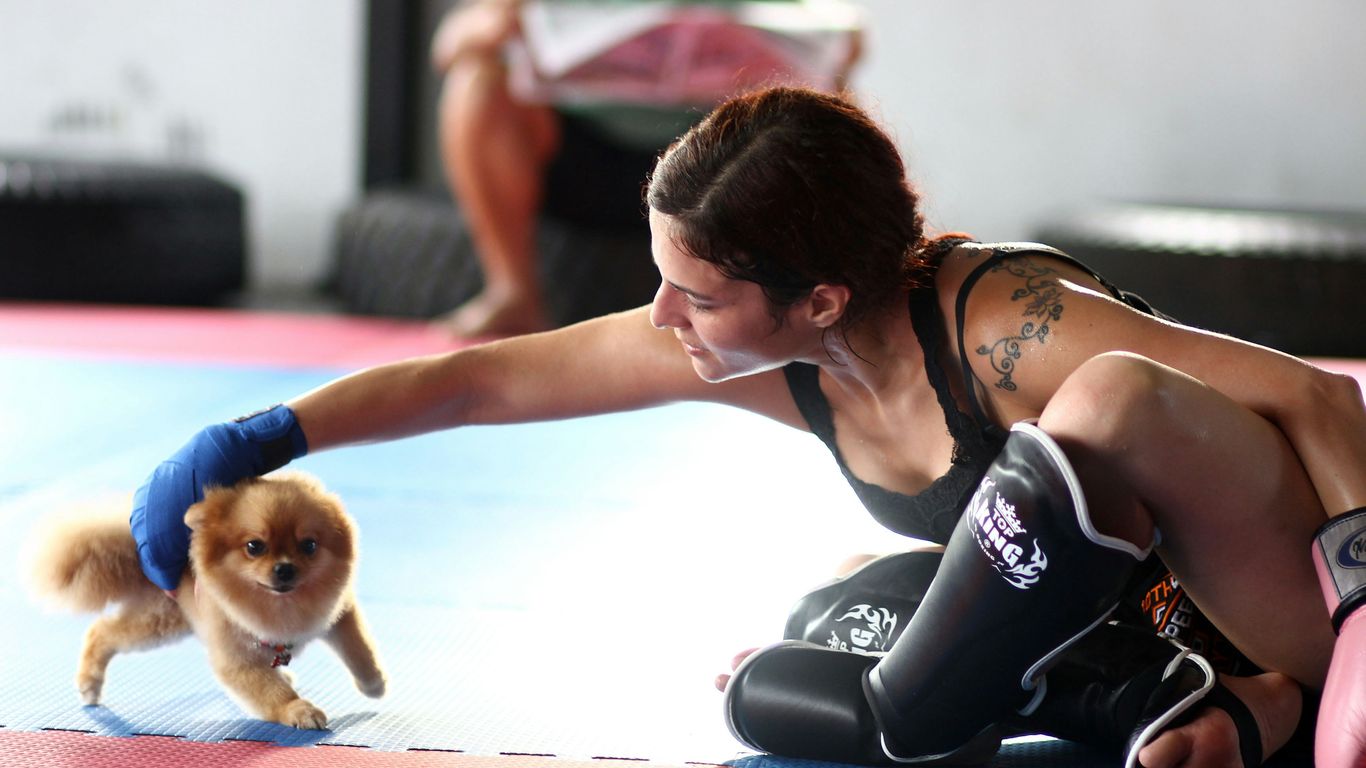
Look, puppies chew. It’s what they do. Their world is a giant chew toy waiting to be explored, and honestly, it’s how they learn. But when that exploration turns into your favorite pair of shoes or the leg of your antique coffee table, we’ve got a problem. The same goes for digging. While a dog might dig a hole in the yard naturally, it becomes an issue when it’s everywhere and nowhere it shouldn’t be. The key here is redirection and management, not punishment.
- Supervision is Non-Negotiable: You can’t correct what you don’t see. Keep your puppy in the same room as you, or use baby gates and exercise pens to limit their access to tempting items. If you can’t supervise, they need to be in a safe, confined space like a crate or a puppy-proofed room.
- Provide Appropriate Outlets: Make sure your puppy has plenty of acceptable things to chew on. Think durable chew toys, puzzle feeders, and stuffed Kongs. Rotate these items to keep them interesting.
- Interrupt and Redirect: If you catch your puppy chewing something they shouldn’t, don’t yell. Make a gentle noise to interrupt them, then immediately offer them an appropriate chew toy. Praise them when they take it.
- Address Digging: If digging is a problem, try to figure out why. Are they bored? Trying to escape? If it’s just for fun, consider creating a designated digging pit in your yard filled with sand or loose soil and burying toys there. Make sure your fences are secure if escape is the issue.
If you find a destroyed item but didn’t catch your puppy in the act, just clean it up. Punishing them after the fact only confuses them and can create fear. Focus on preventing future incidents through better supervision and providing the right chew toys.
Preventing Nipping and Play Biting
Puppies nip and mouth as a way to explore their environment and interact with their littermates. It’s normal, but it can be painful for us humans! The goal is to teach them that gentle mouthing is okay, but hard biting is not. This is where teaching bite inhibition comes in.
- Yelp It Out: When your puppy bites too hard during play, let out a sharp, high-pitched "Ouch!" or "Yelp!" This mimics how littermates react. Immediately withdraw attention for about 20-30 seconds. This teaches them that hard bites make the fun stop.
- Redirect to Toys: If nipping persists, redirect their attention to an appropriate chew toy. Make sure they have plenty of toys readily available.
- Avoid Rough Play with Hands: Try not to use your hands as toys. This can encourage nipping. Instead, use toys for interactive games.
- Recognize Overtiredness: Often, puppies nip more when they are overtired or overstimulated. If you notice this pattern, it might be time for a nap or some quiet downtime.
Addressing Fearful Reactions and Growling
Growling is a warning. It’s your puppy’s way of saying, "I’m uncomfortable, and I need you to back off." It’s not aggression in the typical sense, but a sign of fear or anxiety. Ignoring a growl is a recipe for disaster, as the next step is often a bite.
- Respect the Growl: Never punish a growl. Doing so can teach your puppy to suppress the warning and go straight to biting. Instead, acknowledge it. If your puppy growls at a person or another dog, calmly remove them from the situation or have the person/dog move away.
- Identify Triggers: What is causing the fear? Is it loud noises, certain people, specific objects? Understanding the trigger is the first step to helping your puppy feel more secure.
- Desensitization and Counter-Conditioning: This involves gradually exposing your puppy to their fear trigger at a distance where they don’t react, and pairing it with something positive, like high-value treats. For example, if your puppy is scared of men, have a male friend stand far away and toss treats towards your puppy without making eye contact or approaching. Slowly decrease the distance over many sessions as your puppy becomes more comfortable. This process takes time and patience.
- Seek Professional Guidance: For significant fear or growling issues, it’s highly recommended to consult with a professional. A certified trainer or a veterinary behaviorist can help create a tailored plan. You can find resources for finding a qualified professional through organizations like the American Veterinary Society of Animal Behavior.
Puppies often need help learning how to cope with the world. If your puppy is showing signs of fear or anxiety, it’s your job to help them feel safe and build their confidence. This isn’t something they’ll just ‘grow out of’ without intervention.
Proactive Strategies for Puppy Behavior
Puppies are like little sponges, soaking up everything around them. What they learn in those first few months really sticks. So, instead of waiting for problems to pop up, we can actually get ahead of them. It’s all about setting them up for success from the get-go.
The Power of Supervision and Management
Think of yourself as your puppy’s personal bodyguard and guide. When you can’t keep a close eye on them, using tools like baby gates, playpens, or even a crate is super important. This isn’t about punishment; it’s about preventing them from practicing behaviors you don’t want, like chewing up your favorite shoes or digging holes in the carpet. Constant supervision means you can step in before a bad habit forms. If you’re using a long leash, you can keep them close and gently redirect them if they start heading for trouble. It’s like having a remote control for their actions, but way more humane!
Enrichment to Prevent Boredom Behaviors
Bored puppies get into trouble. It’s just a fact. If they aren’t given enough to do, they’ll find their own entertainment, and that usually involves your stuff. Providing good enrichment means giving them appropriate outlets for their natural puppy behaviors. This could be:
- Chewing: Offer a variety of safe chew toys, like stuffed Kongs or durable rubber toys. Rotate them to keep things interesting.
- Exploring: Let them sniff and explore new environments under supervision. Hide treats for them to find (nosework games!).
- Problem-Solving: Puzzle feeders and treat-dispensing toys can keep their minds busy for a good chunk of time.
- Sensory Play: Supervised shredding of plain cardboard or paper can be a great stress reliever.
It’s about meeting their needs in a way that benefits everyone.
Structured Training Through Games
Who says training has to be a chore? Puppies learn best when they’re having fun. Turning training into games makes learning exciting and builds a positive association with you and with learning itself. Games are fantastic for teaching things like:
- Recall: The "Chase Me" game is a classic. You run away, they chase you, and get a reward when they catch up.
- Focus: "Look at That" games can help them focus on you even when there are distractions.
- Impulse Control: Simple games that require them to wait or "leave it" can build patience.
- Confidence: Crate games or "targeting" games can make them feel more secure and adventurous.
Using treats, toys, and praise strategically during these games shapes the behaviors you want them to repeat. It’s a win-win: they get to play, and you get a well-behaved pup.
The Importance of Early Intervention
Why Puppy Classes Aren’t Always Enough
Look, puppy classes are great for a lot of things. They offer a chance for your pup to meet other dogs and people in a controlled setting, and you can pick up some basic obedience cues. But here’s the thing: if your puppy is already showing some serious red flags, like extreme fear or aggression, a standard puppy class might not cut it. These classes are usually designed for the average puppy, not one who’s already struggling with big emotional responses. You can’t just hope these issues will disappear on their own. Sometimes, what seems like a minor quirk now can become a much bigger problem later if it’s not addressed properly. It’s like trying to fix a leaky faucet with a band-aid – it might stop the drip for a bit, but it doesn’t solve the underlying issue.
Seeking Professional Help for Serious Issues
If you’re noticing behaviors that seem beyond typical puppy exuberance – think persistent fearfulness, growling, lunging, or even biting – it’s time to call in the pros. Don’t wait for these behaviors to become ingrained habits. Early intervention is key. A qualified professional can assess your puppy’s specific situation and create a tailored plan. This might involve desensitization and counter-conditioning to help your pup feel safer, reward-based training to teach new responses, and sometimes even medication to help manage intense fear or anxiety, making it easier for your puppy to learn and grow. Getting help sooner rather than later significantly improves the chances of a positive outcome for both you and your dog. You can find directories for certified professionals through organizations like the American Veterinary Society of Animal Behavior.
When to Consult a Veterinary Behaviorist
So, when do you need to bring out the big guns, like a veterinary behaviorist? If your puppy’s issues are severe, persistent, or not improving with basic training and management, it’s a strong indicator. This is especially true if the behaviors involve significant fear, anxiety, or aggression. These aren’t just ‘naughty’ behaviors; they often stem from deeper emotional or neurological roots. A veterinary behaviorist has advanced training in animal behavior and can diagnose complex conditions, develop sophisticated treatment plans, and prescribe medication when necessary. They work closely with you and your veterinarian to address the root cause of the problem, aiming to improve your puppy’s quality of life and prevent escalation into more serious issues as they mature. It’s about giving your puppy the best chance to become a well-adjusted companion.
Socialization and Fear in Puppies
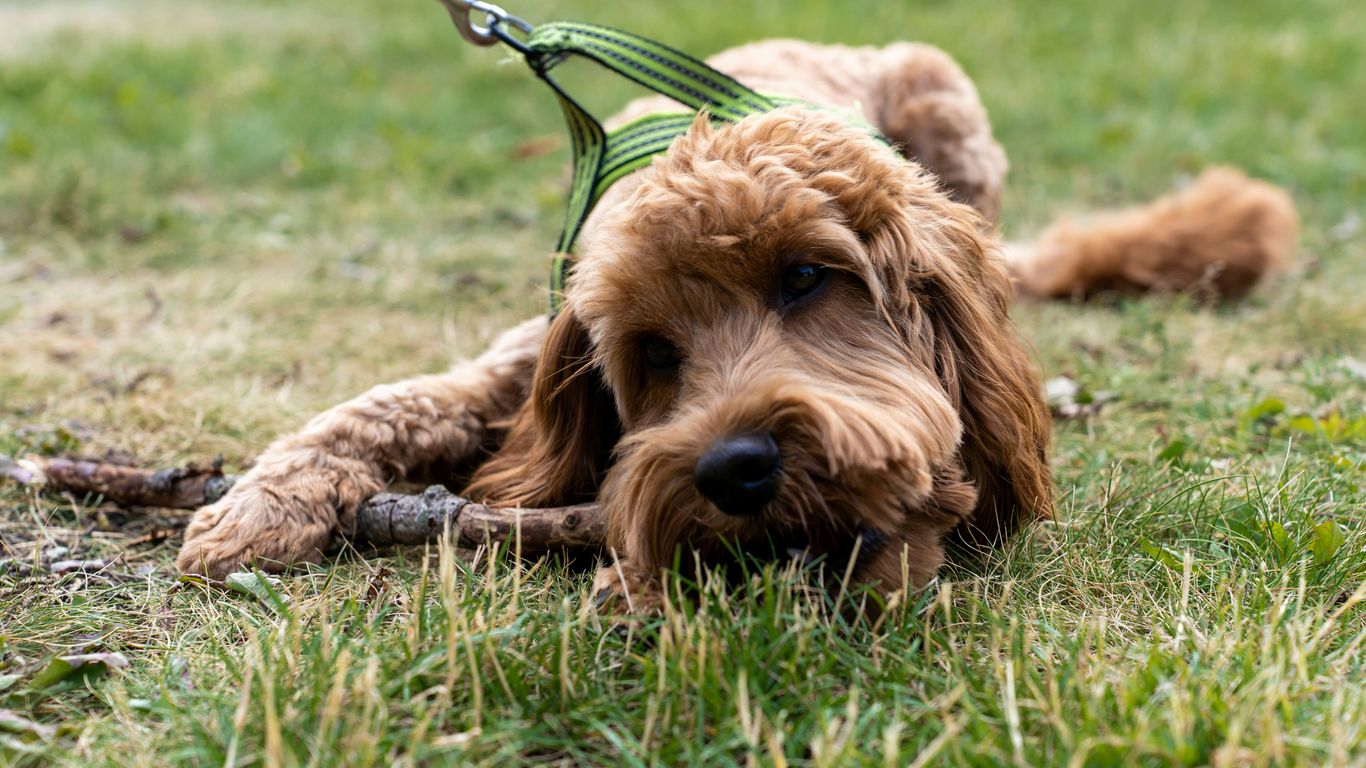
Puppies go through a critical socialization period, usually between 3 and 16 weeks old. This is when they’re most open to new experiences, people, and other animals. It’s a super important time, and how you handle it can really shape your pup’s future. A well-socialized puppy is generally more confident and less likely to develop fear-based issues later on. But what happens when things don’t go so smoothly?
Navigating Fearful Encounters During Socialization
It’s totally normal for puppies to encounter things that startle them. A loud truck, a strange-looking object, or even a boisterous dog can be a bit much for a young pup. The key here is how your puppy recovers from these moments. A quick shake-off and return to normal play is usually a good sign. If your puppy remains visibly stressed, tries to hide, or takes a long time to calm down, that’s a yellow flag.
- Quick Recovery: Puppy shakes it off and returns to play within a minute or two.
- Lingering Hesitation: Puppy stays close to you, looks back at the scary thing, or is slow to re-engage.
- Avoidance: Puppy actively tries to get away from the situation and refuses to go back.
If your puppy seems to be struggling to bounce back, it’s a good idea to seek out resources on proper socialization techniques. You might even consider getting some help from a professional trainer who can guide you through these tricky situations. Remember, the goal isn’t to avoid all scary things, but to help your puppy learn that they can handle them.
Preventing Avoidance from Becoming Aggression
Sometimes, a puppy’s reaction to fear isn’t just hiding; it can escalate. If a puppy repeatedly feels threatened or overwhelmed, they might start to show more assertive behaviors like growling, snapping, or even lunging. This isn’t necessarily true aggression at first, but rather a desperate attempt to create distance. Avoidance, if not addressed, can easily morph into aggression as the puppy gets older. It’s like they’re saying, "If I act tough, maybe they won’t bother me." This is why it’s so important to intervene early. If you notice your puppy consistently trying to avoid certain people, dogs, or environments, don’t just let it slide. You need to actively work on changing their emotional response to these triggers. This might involve creating positive associations or simply ensuring they aren’t pushed into situations they can’t handle. For more on puppy development, check out puppy training tips.
Helping Puppies Recover from Scary Events
When your puppy has a bad experience, your reaction matters. Don’t coddle them excessively, as this can sometimes reinforce the fear. Instead, try to remain calm and positive. You can offer a high-value treat or a favorite toy once the immediate scare has passed. The idea is to create a new, positive association with whatever caused the fear. If the fear is intense or happens frequently, it might be time to consult with a professional. They can help you create a tailored plan to help your puppy build confidence and overcome their anxieties. It’s a process, and patience is key. Don’t expect overnight miracles, but with consistent, positive effort, most puppies can learn to cope much better with the world around them.
It’s easy to think puppies will just "grow out of" fear or shyness. But the reality is, these early experiences can set a pattern. If a puppy learns to be fearful of something, that fear often sticks around and can even get worse as they mature. Addressing these issues when they’re young is much easier than trying to fix deeply ingrained behaviors later.
Building a Foundation for Good Behavior
It’s easy to think puppies will just magically grow into well-behaved dogs. But honestly, that’s not how it works. You’ve got to put in the work early on. Think of it like building a house; you need a solid foundation before you start putting up walls. If you don’t teach your puppy the rules and boundaries, they’ll just make up their own, and those might not be the ones you want. This is where intentionality comes in. You are the main architect of your puppy’s behavior, and that means being super clear about what you expect.
Positive Reinforcement for Desired Actions
This is all about rewarding the good stuff. When your puppy does something you like – maybe they sit nicely when you ask, or they choose to chew their toy instead of your shoe – you want to make sure they know that was a great choice. This doesn’t just mean treats, though those are great! It can also be enthusiastic praise, a quick game of tug, or their favorite squeaky toy. The key is to make the reward so good that your puppy wants to repeat that behavior. It’s about showing them what you do want, rather than just punishing what you don’t. This approach builds confidence and strengthens your bond, making training feel less like a chore and more like a partnership. Remember, puppies are always learning, and we want them to learn the right things. Using high-value rewards for challenging situations can really help shape behaviors dogs want to repeat.
Teaching Puppies What You Want Them to Do
Instead of just reacting when your puppy makes a mistake, try to get ahead of it. What behaviors do you want to see more of? Maybe it’s a calm greeting at the door, or perhaps it’s settling down on their mat. You can teach these things directly. For example, if you want your puppy to be calm, you can reward them for lying down quietly. If you want them to come when called, practice that recall in fun games. It’s about setting them up for success. This means managing their environment so they can’t practice the unwanted stuff, like chewing furniture when you’re not watching. Use crates or playpens when you can’t supervise, and only give access to exciting things once they’ve shown you they can handle it responsibly. It’s about guiding them toward the behaviors that will make them a great companion.
Creating a Predictable and Safe Environment
Puppies thrive on routine. When their world is predictable, they feel more secure and are less likely to develop anxiety-driven behaviors. This means having a consistent schedule for feeding, potty breaks, training sessions, and playtime. It also involves setting clear boundaries. For instance, decide if your puppy is allowed on the couch or not, and stick to it. This consistency helps your puppy understand what’s expected of them. When they know what’s coming next, they can relax and focus on learning. A safe environment also means puppy-proofing your home to prevent accidents and ensuring they have appropriate outlets for their energy and chewing needs. This structured approach prevents many common issues before they even start.
Puppies learn through experience. If we don’t teach them what to do, they’ll practice behaviors we don’t want them to do. And the more they rehearse it, the better they get. It’s much easier to prevent a behavior from becoming a habit than to break one later.
Setting up your dog for success starts with a strong foundation of good behavior. It’s all about teaching them the right way to act from the beginning. Want to learn more about how to build this positive relationship with your furry friend? Visit our website for expert tips and guidance!
Don’t Wait, Act Now
Look, nobody wants to deal with puppy problems, but ignoring them is just asking for bigger headaches down the road. Remember, those early weeks are super important for setting your pup up for a good life. If you’re seeing concerning behaviors, don’t just hope they’ll disappear. Getting help from a pro early on is the best move you can make. It might seem like a lot now, but trust me, it’s way easier than trying to fix major issues later. You and your dog will both be happier for it.
Frequently Asked Questions
My puppy is a little shy and growls at strangers. Will he grow out of it?
It’s great that you’re noticing this early! Sadly, shy or fearful behaviors in puppies, like growling at new people, often don’t just disappear on their own. If anything, they can get worse as your puppy gets older. It’s important to address these issues right away with positive training and maybe some help from a professional. Waiting to see if it gets better is usually not the best plan.
What’s the most important thing I can do to stop my puppy from chewing things they shouldn’t?
The number one thing is to watch your puppy closely, especially when they’re not in their crate or a safe, enclosed area. If you can’t supervise them 100%, they need to be in a place where they can’t get into trouble. Always give them plenty of appropriate chew toys to keep them busy. If you catch them chewing something wrong, gently interrupt them and immediately offer them a toy they *can* chew. Don’t punish them after the fact – they won’t understand why.
My puppy nips and play bites a lot. How can I stop this?
Puppies explore the world with their mouths, and play biting is normal. However, you need to teach them bite inhibition. When your puppy bites too hard during play, let out a yelp like a littermate would, and briefly stop playing. If they continue, calmly get up and walk away for a minute. Redirect their chewing onto appropriate toys. If the biting seems linked to being overtired or overexcited, try a short break or a nap.
Are puppy classes enough to fix behavior problems?
Puppy classes are fantastic for socialization and teaching basic manners, but they aren’t always enough for more serious issues like intense fear, anxiety, or aggression. These kinds of problems often need more specialized attention and a personalized plan from a qualified professional, like a veterinary behaviorist or a certified trainer who uses positive methods.
How can I make sure my puppy gets enough mental stimulation?
Mental exercise is just as important as physical exercise! You can keep your puppy’s mind sharp with puzzle toys that dispense treats, scent games (like hiding treats around the house), and short, fun training sessions using games. Rotating their toys and enrichment activities also helps prevent boredom, which can lead to unwanted behaviors like digging or excessive barking.
What does ‘socialization’ really mean for a puppy?
Socialization is all about helping your puppy learn to be comfortable and confident in the world around them. It means safely introducing them to a variety of sights, sounds, people, and other well-behaved dogs, especially during their critical early weeks. The goal is to create positive experiences so they grow up to be well-adjusted and friendly, not fearful or reactive.