
Training a stubborn puppy can feel like a never-ending project. Some days, it seems like your puppy just isn’t listening, no matter what you try. Trust me, you’re not alone—lots of new puppy owners go through this. The good news is, with the right mindset and a few smart tricks, you can make real progress without losing your cool. Let’s look at some simple ideas for training a stubborn puppy that actually work in real life.
Key Takeaways
- Every puppy has their own quirks—what looks like stubbornness might just be their unique personality or nerves.
- Routine and clear rules help your puppy know what’s expected, making training less confusing for both of you.
- Positive rewards like treats, praise, or playtime work way better than scolding or punishment.
- Short, fun training sessions keep your puppy interested and make learning easier.
- Staying calm and patient, even when things get tough, is the secret to long-term success with training a stubborn puppy.
Understanding What Makes a Puppy Stubborn
Training a stubborn puppy starts with knowing why your dog seems to tune you out, dig in their heels, or just act like they’re not even listening. A so-called stubborn puppy is often just a dog with a strong personality, unique instincts, or a lot of feelings they’re still figuring out. Let’s break down what’s really going on behind those stubborn behaviors.
Personality Traits That Affect Training
- Independent thinkers: Some pups are just wired to do things their own way. They’re curious, bold, and sometimes a bit too smart for their own good.
- Sensitive souls: On the flip side, a puppy who shuts down or ignores commands might just be overwhelmed or uneasy with learning new things.
- Social butterflies vs. lone wolves: Some puppies want to please and follow their humans everywhere, while others act like they’ve got better things to do.
Tip: Understanding what motivates your pup—food, toys, affection, or just running wild in the backyard—can help you tailor your training style to fit their personality.
How Breed and Genetics Play a Role
Not every dog is bred for the same job. Some lineages come packed with independence or stubborn streaks, while others are all about teamwork. Here’s a quick snapshot of what certain breeds might bring to the table:
| Breed Example | Common Traits | Possible Training Challenge |
|---|---|---|
| Beagles | Scent-driven, curious | Easily distracted by smells |
| Border Collies | Smart, energetic | Can get bored if under-challenged |
| Bulldogs | Laid-back, strong-willed | May ignore commands they dislike |
Remember, genetics don’t lock in behavior, but they can set the tone. You might see patterns in how your puppy reacts to learning new commands or rules.
Distinguishing Stubbornness From Anxiety
Sometimes what looks like defiance is actually nerves or confusion. Puppies don’t come pre-programmed to know what we want:
- Confused puppies don’t follow commands because they’re unsure what you’re asking.
- Anxious puppies might freeze, hide, or even lash out, especially in loud or unfamiliar environments.
- Overstimulated puppies find it hard to focus, especially around lots of new people, pets, or smells.
It’s not always stubbornness that’s stopping your puppy—it might be nerves, confusion, or simply needing a little extra time to process what you’re teaching.
Figuring out what’s behind your puppy’s stubborn streak is step one. Sometimes, the solution is just a new approach, a little patience, and remembering that your energetic, smart puppy isn’t "bad"—they’re just being themselves.
Laying the Foundation for Training Stubborn Puppies
When it comes to stubborn puppies, the groundwork you set really shapes everything that follows. Before thinking about fancy tricks, start simple: day-to-day habits, clear boundaries, and steady leadership all play a big role. If these aren’t set early, puppies will fill in the gaps with their own rules, often ones you won’t like!
Establishing Consistent Routines
Building a routine is honestly where stubborn puppies usually start to come around. Puppies crave predictability, so regular routines help cut back on confusion and stress. If your pup knows what’s coming, like meal, potty, and playtimes, they’re less likely to act out just for attention. Try these easy steps:
- Stick to set meal and potty break times daily.
- Use the same spot for pottying until it’s a habit.
- Have a wake-up and bedtime and stick with it.
- Keep training sessions at similar times, not just whenever you remember.
A short, frequent approach is best—puppies don’t have much patience for long lessons. For more on why starting routines early matters, begin training puppies early to encourage better habits from day one.
Setting Clear Boundaries and Expectations
If a stubborn puppy was allowed to decide the house rules, you’d probably end up with chewed shoes and stolen snacks. Boundaries help your puppy understand what’s allowed. Make the rules obvious and never budge on them. Here’s what helps:
- Always use the same words for the same commands.
- Be clear: if jumping on the couch is never allowed, don’t make exceptions—ever!
- Everyone at home should use the same rules and commands; mixed messages slow down progress.
Sample Household Rules Table
| Situation | Allowed? | Command/Expectation |
|---|---|---|
| On the couch | No | "Off" |
| Eating at the table | No | "Go to your bed" |
| Greeting guests | Sit only | "Sit" |
| Chewing shoes | No | "Leave it" |
Building Trust Through Calm Leadership
You don’t have to be loud or overpowering for your puppy to listen. What matters more is calm, steady confidence. When you’re anxious or annoyed, your puppy will tune out. If you act certain and expect to be listened to (even if you’re faking it), your puppy will start to trust your lead.
- Speak in a steady, friendly tone—yelling is just noise to your puppy.
- Correct calmly, never with anger or physical punishment.
- Celebrate the small moments when your puppy gets it right.
Stubborn pups can be smart and independent; giving them calm, clear direction creates the trust they need to follow your lead.
Now that you’ve laid the foundation, you’ll find training sessions run a lot smoother—even with the most headstrong puppy. Go slow, stick to your routine, and let your calm confidence become their reassurance.
Creating a Positive Training Environment
Training a stubborn puppy can feel like you’re going in circles some days, but the way you set up each session can make all the difference in the world. Puppies notice everything: your tone, your mood, what’s happening in the room. To get the best results—and a happier pup—you want each lesson to feel safe, stress-free, and rewarding.
Using Positive Reinforcement Over Punishment
Positive reinforcement (think treats, praise, or play) outshines punishment every time. Rather than scolding or raising your voice, focus on rewarding the behaviors you want to see. This doesn’t just mean food—your puppy might value a favorite squeaky toy just as much. If your dog is particularly resistant, try mixing up the rewards to keep them interested. Avoid any yelling, leash popping, or physical corrections. Those just make training a chore and weaken your bond.
Quick Comparison: Rewards vs. Punishment
| Approach | Typical Outcome | Bond With Your Dog |
|---|---|---|
| Positive Reinforcement | Happy, confident learning | Builds trust |
| Punishment | Fear or avoidance | Damages trust |
It’s easy to slip into old habits, but remember—positive training builds enthusiasm and cooperation that you can both feel good about.
Minimizing Distractions During Lessons
When there’s a squirrel outside or another dog barking across the street, your puppy’s mind will wander fast. The trick is to choose a quiet, familiar spot for the first round of new commands. Your living room beats the busy backyard every time. Once your puppy gets the hang of the basics, you can slowly add more distractions to help them listen no matter what’s happening around them. For more tips, effective dog training with voice commands works best in a positive, low-stress setting.
Bullet points to keep distractions low:
- Close windows and doors to keep outdoor noises down
- Have all training supplies ready before you start
- Ask other family members to stay out of the training area during lessons
Making Training Fun and Engaging
If it’s not enjoyable, most puppies will just check out—they’ll sniff, yawn, or even walk off. Switch things up by adding some short games, goofy voices, or quick play breaks between commands. Play a round of fetch or run in circles for a minute if you see your dog getting bored. Letting them have a good time keeps their brain and body happy. Try ending every lesson on a high note, even if all you did was nail “sit” once or twice. That way, your puppy starts looking forward to your next training session instead of dreading it.
- Use silly voices or hand claps to encourage your puppy
- Mix in mini games, like “find the treat”
- Offer playful praise when your puppy gets something right
Consistency and a good mood go much further than a strict attitude. Your puppy wants to work with you—especially if it means having some fun along the way.
Keeping Sessions Productive With the Right Approach
Making your puppy’s training sessions effective doesn’t have to feel like an uphill battle. If you’ve ever tried training a stubborn pup and felt like you were getting nowhere, you’re definitely not alone. The key is to work smarter, not harder, by focusing on your dog’s attention span and setting them (and yourself) up for steady wins.
Breaking Tasks Into Manageable Steps
Big goals can feel intimidating—for you and your puppy! Chop each behavior you want to teach into small, bite-sized bits. Here’s what works best:
- Teach one action at a time. Asking for too much at once leaves everyone confused.
- Practice each step until your puppy shows signs of understanding, like reliably repeating the action.
- Only move to the next part when you see consistent progress, even if it takes several tries.
A simple walk-through, like sitting and staying, shouldn’t be crammed into the same session if “sit” isn’t solid yet.
Short, Focused Training Sessions
Long sessions are usually a recipe for disaster. Puppies get bored, distracted, or even cranky if you push things too far. Short sessions—think 5 to 10 minutes—work much better. Instead of one marathon session, try:
- Several mini lessons throughout the day
- Ending while your dog is still engaged, not when they’re zoning out
- Switching up contexts—change rooms, try new times, or use different treats to keep things fresh
Here’s a quick table for recommended session lengths at different puppy ages:
| Puppy Age | Session Time | Sessions Per Day |
|---|---|---|
| 2-4 months | 3-5 minutes | 4-6 |
| 5-7 months | 5-8 minutes | 3-4 |
| 8 months+ | 8-10 minutes | 2-3 |
For more guidance, check out these tips for short, rewarding sessions.
Celebrating Small Victories and Progress
Your puppy’s first partial attempt counts as progress—and should be treated as such! Don’t wait for perfection. Small wins help puppies build confidence, and you’ll see more momentum over time when each step forward gets noticed.
- Mark and reward “almost” right efforts
- Use a happy, upbeat voice and gentle praise to boost their spirits
- Keep a training journal to track what’s getting better, even on slow days
Consistency (not perfection) is what actually builds lasting, positive habits in stubborn puppies. Some days might feel stuck, but sticking with it is worth it.
In summary, chunking out tasks, keeping sessions short, and throwing a mini-party for each improvement makes the whole process a lot more enjoyable for both of you. Puppies learn best when they feel successful, supported, and challenged just enough—not overwhelmed.
Motivating Your Stubborn Puppy to Participate
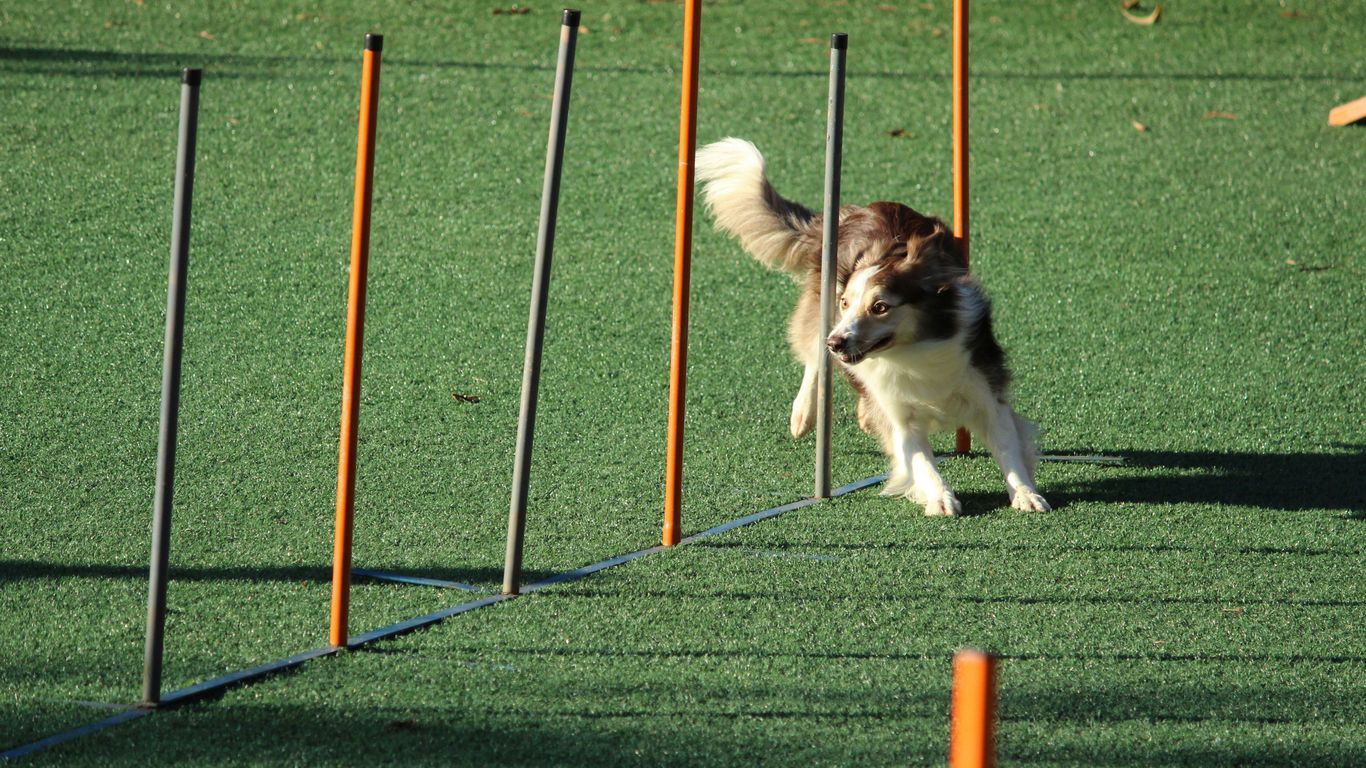
Getting a stubborn puppy interested in training can feel like trying to outsmart an escape artist. Some dogs seem to have their own ideas and little interest in your plans. The trick is to make participation more rewarding than ignoring you.
Identifying High-Value Rewards
Not every puppy is going to work for the same thing. Finding your dog’s absolute favorite rewards is like holding the key to their attention. For some pups, nothing beats small pieces of chicken or cheese. Others will go wild for a squeaky toy or a game of tug. You might need to try a few different rewards to figure out what lights up your puppy’s interest.
- Try several treats: bits of hot dog, freeze-dried liver, cooked beef
- Test toys: rope tug, squeaky, fetch ball
- Use praise or belly rubs if your puppy is more people-focused
| Reward Type | Examples | Best For |
|---|---|---|
| Food Treats | Chicken, cheese, soft dog treats | Food-driven |
| Toys | Squeaky toys, tug ropes, balls | Play-motivated |
| Attention | Petting, praise, belly rubs | Affectionate pups |
Incorporating Play and Games as Motivation
A lot of puppies tune out when training feels stiff. Instead, turn lessons into a game. Toss a ball for a successful "sit" or make fetch happen after a recall. Pups who love chasing or tugging might work their hardest if training mimics a play session. Dogs learn faster when they’re having fun.
Try rotating between training and quick, playful activities:
- Practice a command like "down."
- Immediately chase your puppy or play tug.
- Return to training for the next cue.
This keeps the atmosphere light and your puppy curious about what comes next.
Adjusting Rewards to Maintain Interest
Even the best treats lose their shine if you use them all the time. To keep your stubborn puppy interested, swap out rewards when you notice boredom sneaking in. Novelty matters in a training session. That means mixing food types, rotating toys, or even swapping your praise from quiet petting to excited cheering.
- Switch treat flavors throughout the week
- Use multiple toys, not just one
- Offer a variety of praise: silly voices, soft petting, or a quick massage
Puppies get tired of the same old thing just like we do—when your dog starts to tune out, it’s usually a sign that your reward needs a refresh or the training game needs to change.
Training stubborn puppies means outsmarting boredom and keeping things unpredictable. Experiment, stay flexible, and always have one or two backup rewards tucked away for when your dog decides today they want something different.
Staying Patient and Overcoming Setbacks
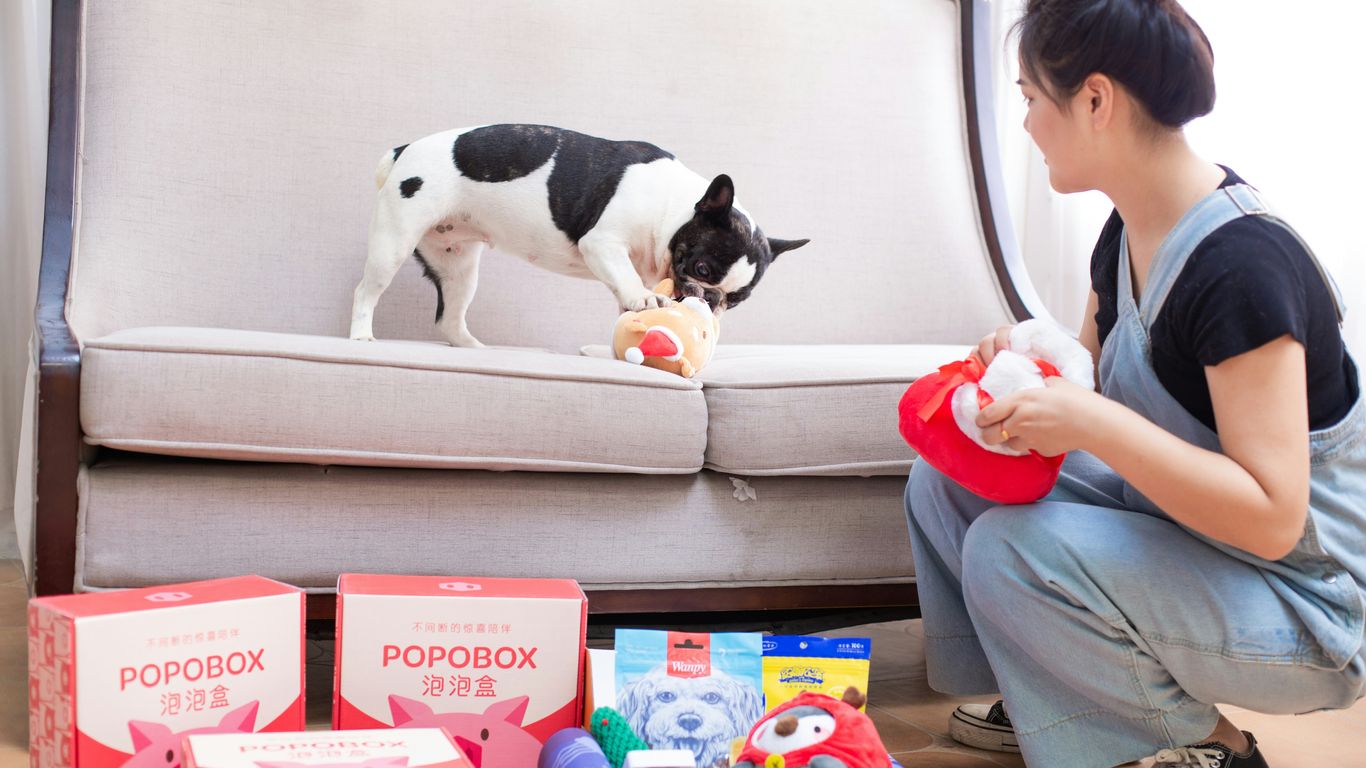
Training a headstrong pup is not smooth sailing every day. Some mornings, your puppy might listen like a champ. Other times, it can feel like you’ve made zero progress. Staying patient when things go sideways isn’t easy, but it’s necessary for both you and your dog’s sanity.
Managing Your Own Frustration
- Recognize your limits: If you feel overwhelmed or tense, step back before frustration spills out.
- Remind yourself why you’re training in the first place—think about long-term progress, not just today’s outcome.
- Adopt a sense of humor about mishaps. Puppies do silly things. Sometimes, you just need to laugh it off.
Training a stubborn puppy is as much about working on your own reactions as it is about shaping theirs. When you stay cool, your dog is more likely to settle and learn.
Taking Breaks When Needed
There are days when both you and your pup hit a wall. That’s your cue to pause and reset. Here’s how:
- Stop the session if either of you is getting frustrated.
- Give your puppy a simple task they already know, reward, and end on a good note.
- Take 10-15 minutes for yourself—grab a coffee, turn on your favorite song, or just breathe.
- Return to training later, with a fresh outlook.
Practicing Persistence Without Punishment
- Stick to your plan: Stay consistent with your rules and routines, even when results are slow.
- Reinforce behaviors you do want to see, and simply ignore or calmly redirect unwanted actions.
- Reward with your puppy’s favorite treat, toy, or affection—celebrating the small wins is motivating, for both of you.
Consistency and kindness beat anger every single time. Stubborn puppies eventually come around with repeated positive experiences.
| Setback | Healthy Response | What to Avoid |
|---|---|---|
| Puppy ignores you | Pause, reset, try again | Yelling, scolding |
| Slow progress | Break tasks into tiny steps | Rushing, getting mad |
| Regresses/Forgets | Revisit basics patiently | Giving up |
Remember, patience doesn’t mean doing nothing—it’s about showing up, again and again, in a calm way. That’s the real secret to winning over a stubborn little mind!
Incorporating Mental and Physical Stimulation
A stubborn puppy often needs more than just the basics—mental and physical workouts can make a big difference when you’re at your wits’ end. If you’re only focusing on commands, you might miss out on what your dog really needs: an outlet for all that energy and curiosity. Dogs learn best when their bodies and minds are worked together.
Providing Mental Challenges Beyond Commands
Dogs get bored fast if you just repeat “sit” and “stay.” Mix in some mental puzzles to make them think! Try simple scent games, like hiding favorite treats around your living room for your puppy to find. Puzzle toys, where they have to figure out how to get food out, are lifesavers on rainy days. Teaching new tricks (even silly ones like "spin" or "put away toys") keeps things interesting and keeps your pup’s focus sharp. When you see your puppy light up after solving a challenge, it’s clear they’re craving these moments.
A mentally tired puppy is way less likely to chew up your shoes or bark for attention. Sometimes, changing up their routine with just a five-minute challenge can calm them for hours afterwards.
Engaging in Interactive Play
Active play is so much more than just letting your dog run around the backyard. Make time every day for supervised games—fetch in the hallway, tug of war, or even homemade agility courses using pillows and chairs. For apartment-dwellers, activities like hallway fetch or stair workouts can make a surprisingly big impact on your dog’s energy (tips for this can be found in guides about indoor puppy exercises). Interactive play isn’t just fun; it’s a great bonding opportunity, and you become the main event, not just the treat dispenser. Dogs pay attention when playtime comes from you, not just the objects in the room.
Using Chew Toys and Puzzles for Enrichment
Chewing is natural and much-needed, especially for teething puppies. Instead of just scolding when your pup picks the wrong things, provide a variety of chew toys. Here’s a quick table to help you choose:
| Toy Type | Purpose | Example Uses |
|---|---|---|
| Durable rubber toys | Long-term chewing | Fill with treats |
| Rope toys | Tugging, supervised chew | Play tug-of-war |
| Puzzle feeders | Mental challenge + food | Mealtime enrichment |
Rotate toys once in a while so your puppy doesn’t lose interest. Using food-stuffed toys during alone time can keep them focused and happy instead of anxious or bored.
- Scent work (like hiding treats)
- Obstacle courses indoors
- Swapping in new toys and puzzles every week
Having a stubborn puppy can be tough, but giving them plenty of mental and physical outlets turns training into something they actually enjoy—and might reduce the stubbornness that drives you nuts.
Keeping your dog’s mind and body active is just as important as teaching new tricks. Try mixing up training games with play sessions to keep your pup sharp and happy. Want more ideas for fun challenges that will make your dog smarter and calmer at home? Check out our website for easy ways to get your dog thinking and moving every day!
Wrapping It Up: Training a Stubborn Puppy Takes Time (and a Lot of Treats)
Training a stubborn puppy isn’t always smooth sailing. Some days, it feels like you’re making progress, and the next, your pup acts like they’ve never heard the word “sit” in their life. That’s just how it goes. The main thing is to keep your cool, stay consistent, and celebrate those tiny wins—like when your puppy finally waits at the door or comes when called (even if it’s just once). Remember, every dog learns at their own pace, and what works for one might not work for another. Try different rewards, keep sessions short, and don’t be afraid to take a break if you’re both getting frustrated. In the end, patience and a sense of humor go a long way. Stick with it, and you’ll see your stubborn puppy slowly turn into a well-behaved companion. And hey, you might even look back and laugh at all the chaos someday.
Frequently Asked Questions
Why does my puppy seem so stubborn during training?
Some puppies seem stubborn because they’re independent or strong-willed. Sometimes, it’s not stubbornness at all—they might be confused, distracted, or even anxious. Each puppy has a unique personality, so what works for one might not work for another.
How long will it take to train a stubborn puppy?
Training a stubborn puppy often takes more time and patience. It’s normal for progress to be slow at first. The key is to be consistent, use positive rewards, and celebrate small steps forward. With regular practice, most puppies start to improve after a few weeks.
What are the best rewards for stubborn puppies?
High-value treats like small pieces of chicken or cheese, favorite toys, or extra playtime work well. Every puppy is different, so try different rewards to see what your puppy loves most. Use these special rewards for new or challenging tasks.
Should I punish my puppy if they don’t listen?
No, punishment can make training harder and may cause your puppy to become scared or anxious. Instead, focus on positive reinforcement—reward good behavior and ignore or redirect unwanted actions. This helps your puppy feel safe and eager to learn.
How can I keep my puppy interested in training sessions?
Keep training sessions short (about 5–10 minutes), use lots of praise, and make it fun with games and play. Change up the rewards to keep things exciting. If your puppy seems bored or frustrated, take a break and try again later.
What should I do if I get frustrated while training my puppy?
It’s normal to feel frustrated sometimes. If you do, take a deep breath and give yourself a break. Remember, training takes time and patience. Focus on small victories and don’t be afraid to ask for help from a professional trainer if you need it.