
Training a dog for family gatherings can be a challenge, but with some preparation and understanding, it can also be a rewarding experience. It’s important to ensure that both your dog and your guests feel comfortable and safe during these events. This guide will provide you with practical tips to help your furry friend navigate the hustle and bustle of family gatherings while keeping stress levels low and fun levels high.
Key Takeaways
- Recognize your dog’s stress signals to tailor your approach accordingly.
- Create a safe space for your dog to retreat to when overwhelmed.
- Practice basic commands to promote calm behavior during gatherings.
- Use treats and praise to reinforce good behavior with guests.
- Stay consistent with training to improve your dog’s comfort in social situations.
Understanding Your Dog’s Behavior
Before you even think about inviting the whole family over, it’s super important to get a handle on how your dog ticks. Are they generally chill, or do they get stressed easily? Knowing this will make the whole gathering way smoother for everyone, including your furry pal.
Recognizing Signs of Stress
Dogs can’t exactly tell us when they’re feeling overwhelmed, so we gotta be detectives. Look out for things like:
- Panting when it’s not hot
- Yawning excessively
- Lip licking
- Whale eye (showing the whites of their eyes)
- Tucked tail
If you spot any of these, your dog might be telling you they need a break. It’s like their way of saying, "Uncle Joe’s booming laugh is a bit much right now!" Recognizing these signs early can prevent your dog from escalating to more anxious behaviors. It’s all about being proactive and understanding their limits. You can also use calming aids, like pheromone diffusers or anxiety wraps, to support your dog during busy gatherings.
Assessing Your Dog’s Comfort Level
Think about what makes your dog happy and what freaks them out. Are they cool with crowds, or do they prefer a smaller circle? Do loud noises send them running for cover? Understanding these triggers is key. Some dogs thrive in social situations, while others find them overwhelming. It’s not about forcing them to be social butterflies; it’s about respecting their individual needs and comfort levels. Consider their breed, past experiences, and overall temperament. This assessment will guide your approach to preparing them for family gatherings.
Tailoring Your Approach
Once you know your dog’s personality and triggers, you can create a plan that works for them. If they’re anxious around new people, maybe start with slow introductions before the big day. If they get overexcited, focus on dog obedience training and calming exercises. The goal is to set them up for success, not throw them into the deep end.
Every dog is different, so what works for one might not work for another. It’s all about being flexible and adjusting your approach as needed. Don’t be afraid to experiment and find what makes your dog feel safe and secure. Remember, a happy dog makes for a happy gathering!
Preparing for Family Gatherings
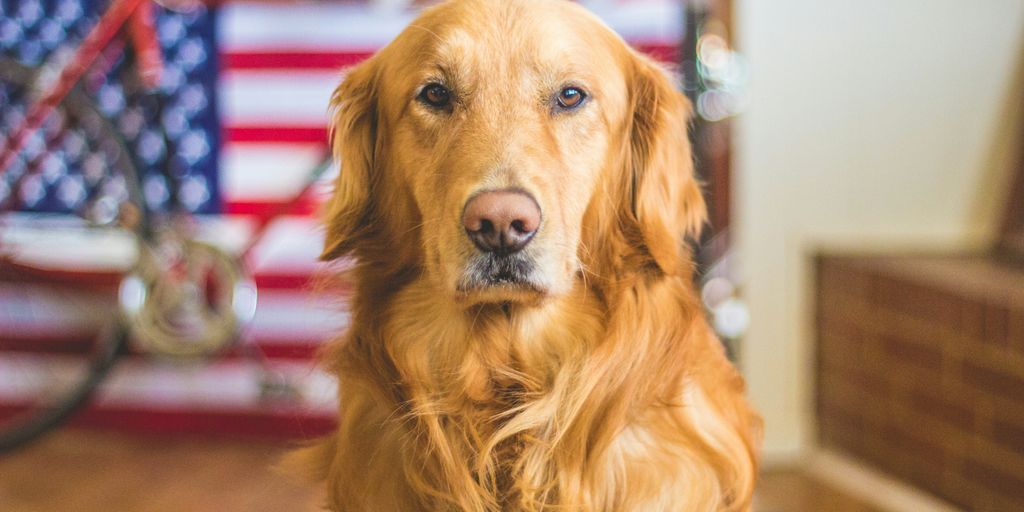
Family gatherings can be a whirlwind for our furry friends. All the new faces, smells, and sounds can be overwhelming. Proper preparation is key to ensuring your dog feels safe and comfortable, and that everyone enjoys the event.
Establishing a Safe Space
Before the guests arrive, designate a safe space for your dog. This could be a crate, a quiet room, or even just a cozy corner. Make sure it’s a place where they can retreat to when they feel overwhelmed. Include their favorite toys, a comfortable bed, and maybe even a special treat. This area should be off-limits to guests, especially children, so your dog can truly relax. It’s also a good idea to get your dog accustomed to spending time in their safe space before the gathering, so it feels like a familiar and comforting retreat, not a punishment.
Practicing Basic Commands
Reinforce basic commands like "sit," "stay," and "leave it" in the days leading up to the gathering. A well-trained dog is easier to manage in a chaotic environment. Practice these commands in different locations and with varying levels of distraction. This will help your dog generalize their training and respond reliably even when they’re excited or anxious. If your dog is reliable with the place command, that can be a great tool to use during the gathering.
Creating Positive Associations
Help your dog associate family gatherings with positive experiences. This can be achieved through:
- Giving them special treats or toys only during these events.
- Engaging in short, fun training sessions with guests (if your dog is comfortable).
- Providing plenty of praise and affection when they exhibit calm behavior.
By creating positive associations, you can help reduce your dog’s anxiety and make them more likely to enjoy the company of your guests. Remember to keep interactions brief and positive, and always respect your dog’s boundaries. If they seem uncomfortable, give them space and allow them to retreat to their safe zone.
Managing Interactions During the Event
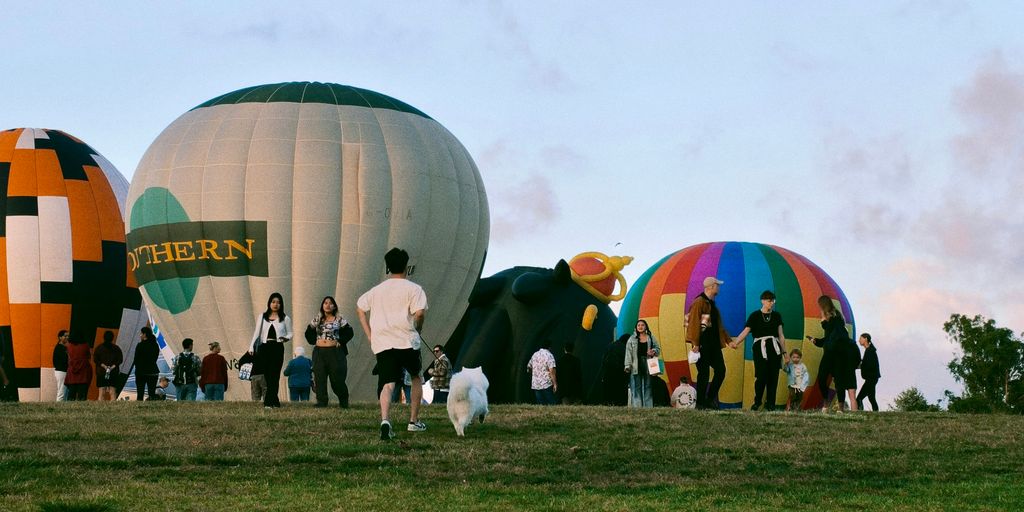
Once the family starts arriving, keeping an eye on how your dog interacts with everyone is super important. You want to make sure both your dog and your guests are comfortable and safe. It’s all about setting some ground rules and being proactive.
Controlling the Introduction
Let your dog approach guests at their own speed. Don’t force interactions, especially if your dog is naturally shy. Tell your guests to avoid rushing up to your dog; instead, they should let the dog come to them when it feels ready. Remind everyone to stay calm and avoid sudden movements that could scare a nervous dog. If you know some family members are bringing their own dogs, think about introducing the dogs before the main gathering, or maybe ask your guests to leave their pups at home this time.
Limiting Excitement
When guests arrive, ask them to ignore your dog until it has calmed down a bit. This helps prevent overexcitement and reinforces calm behavior. You can also use calming aids, like pheromone diffusers, to help your dog during busy gatherings. It’s a good idea to have a designated quiet spot where your dog can retreat if things get too overwhelming. This could be a crate, a bed in a quiet room, or even just a corner with their favorite toys. Make sure everyone knows that this is your dog’s safe space and should not be disturbed.
Supervising Children
If there are kids around, watch all interactions closely. Teach them to respect your dog’s boundaries and avoid things like hugging, pulling, or chasing. Instead, encourage them to offer treats or ask the dog to do simple commands like "sit" to create positive experiences. It’s also a good idea to have some dog-friendly activities planned that involve the kids, like a gentle game of fetch or a puzzle toy that they can work on together. This can help channel their energy in a positive way and keep everyone happy.
It’s important to remember that every dog is different, and what works for one might not work for another. Pay attention to your dog’s body language and adjust your approach as needed. If you see signs of stress or anxiety, give your dog some space and time to decompress.
Training Tips for Managing Excitement and Anxiety
Family gatherings can be a whirlwind of activity, and it’s easy for our dogs to get overwhelmed. That’s why it’s super important to have some training strategies in place to help them manage their excitement and any anxiety they might be feeling. Let’s dive into some practical tips that can make a big difference.
Using the ‘Place’ Command
The ‘place’ command is a game-changer. It teaches your dog to go to a specific spot, like a bed or mat, and stay there until you release them. This is incredibly useful when guests arrive or during meal times. It gives your dog a safe zone and helps them stay calm amidst the chaos. Start by choosing a spot your dog likes and make it comfy with a bed or blanket. Use treats and praise to encourage them to go there, and gradually increase the amount of time they stay. This safe space can be a real lifesaver during gatherings.
Implementing ‘Sit’ and ‘Stay’
‘Sit’ and ‘stay’ are foundational commands that every dog should know, especially if they tend to get overly excited. These commands can help prevent jumping or other unwanted behaviors when guests arrive. Keep training sessions short and fun to keep your dog engaged. Reward them with treats and praise when they follow your commands. Consistency is key here – the more you practice, the better they’ll get at responding, even when there are distractions.
Practicing ‘Leave It’
Holiday decorations and tempting food can be a real challenge for dogs. The ‘leave it’ command is essential for preventing them from grabbing things they shouldn’t. Start with low-value items and gradually work your way up to more tempting things like treats or decorations. This command not only keeps your dog safe but also teaches them self-control. It’s a win-win! Remember to always reward them when they successfully training basic commands and leave something alone.
Exercise and Mental Stimulation
Before the family descends, it’s a great idea to tire out your dog, both physically and mentally. A tired dog is often a calmer dog, and that’s exactly what we want during a gathering. Think of it as preemptive damage control – in the best way possible!
Engaging in Pre-Event Activities
Start the day with some serious exercise. A long walk or a vigorous play session can work wonders. If your dog is a runner, hit the park for a game of fetch. If they’re more of a stroller, a longer-than-usual walk around the neighborhood will do the trick. The goal is to burn off excess energy so they’re more inclined to chill when guests arrive. This is a great way to reduce excess energy.
Incorporating Training Games
Don’t underestimate the power of mental stimulation. A quick training session can be surprisingly tiring for your dog. Work on basic commands like ‘sit,’ ‘stay,’ and ‘down.’ You could even introduce a new trick! The mental effort involved will help to tire them out and focus their attention. Keep the sessions short and sweet to avoid overwhelming them. These training sessions can be very helpful.
Providing Interactive Toys
Interactive toys are a lifesaver during family gatherings. Puzzle toys and treat-dispensing toys can keep your dog occupied for extended periods. Fill them with your dog’s favorite treats or kibble and let them go to town. Rotate the toys throughout the day to keep things interesting and prevent boredom. This is a great way to keep them busy without constant supervision.
Think of exercise and mental stimulation as an investment in a peaceful gathering. A well-exercised and mentally stimulated dog is less likely to act out due to boredom or anxiety. It’s a win-win for everyone involved.
Here’s a quick guide to activities based on dog energy levels:
| Energy Level | Activity Suggestion | Duration |
|---|---|---|
| High | Fetch, running, agility | 45-60 minutes |
| Medium | Long walk, training session | 30-45 minutes |
| Low | Puzzle toys, gentle play | 30-60 minutes |
When Challenges Arise
Even with the best laid plans, sometimes things don’t go smoothly. Unexpected behaviors can pop up, and it’s important to know how to handle them. Don’t feel discouraged if your dog isn’t perfect; it’s all part of the process.
Handling Excessive Barking
Excessive barking can be a real headache, especially when you’re trying to enjoy time with family. The key is to figure out why your dog is barking in the first place. Is it boredom, anxiety, or just plain excitement? Once you know the cause, you can address it directly. Here are a few strategies:
- Redirection: Offer a favorite toy or a chew to distract them.
- Safe Space: Give them a break in their crate or a quiet room.
- Commands: Use commands like "quiet" or "enough," and reward them when they stop barking. You can also try dog training sessions to help them focus.
Addressing Jumping on Guests
Jumping is another common issue, often stemming from excitement or a desire for attention. It’s important to teach your dog that jumping doesn’t get them what they want. Here’s how:
- Ignore the Behavior: Have guests turn away and avoid eye contact when your dog jumps.
- "Sit" Command: Ask your dog to sit, and reward them when they do. This teaches them that sitting gets them attention.
- Leash Control: Keep your dog on a leash during initial greetings to manage their excitement.
Managing Anxious Behavior
Anxiety can manifest in different ways, such as hiding, trembling, or excessive panting. It’s important to create a safe and comfortable environment for your dog. Here’s what you can do:
- Safe Space: Allow your dog to retreat to their crate or a quiet area without forcing interaction.
- Calming Aids: Consider using pheromone diffusers or anxiety wraps to help them feel more secure.
- Reassurance: Offer gentle reassurance and stay close by, but avoid coddling them excessively, as this can reinforce their anxiety.
Remember, patience is key. It takes time and consistency to address these challenges. If you’re struggling, don’t hesitate to seek professional help from a certified dog trainer or behaviorist.
Consistency Is Key
Training isn’t a one-time thing; it’s more like a lifestyle change for both you and your dog. You can’t just drill commands for a week before a family gathering and expect perfection. It’s about making good behavior a habit. Think of it like learning a new language – you need to practice regularly to stay fluent.
Reinforcing Training After Gatherings
The days and weeks following a family event are prime time for solidifying what your dog has learned. Don’t just breathe a sigh of relief and forget about it. Keep up with the training exercises, especially focusing on the commands that were most challenging during the gathering. This helps prevent regression and reinforces the idea that good behavior is always expected, not just during special occasions. For example, if your dog struggled with the ‘leave it’ command around food, make that a priority in your post-gathering training sessions.
Maintaining Regular Practice
- Set aside dedicated training time each day, even if it’s just for 10-15 minutes. Short, frequent sessions are often more effective than long, infrequent ones.
- Incorporate training into your daily routines. Ask for a ‘sit’ before putting down their food bowl, or practice ‘stay’ while you’re getting ready in the morning.
- Use a variety of rewards to keep your dog motivated. Treats, praise, toys, and even a simple pat on the head can all be effective. Remember to use positive reinforcement to encourage good behavior.
Consistency also means being consistent with the rules. If you don’t want your dog on the furniture, don’t let them up there sometimes and then scold them at other times. Clear, consistent boundaries are essential for a well-behaved dog.
Seeking Professional Help When Needed
Sometimes, despite your best efforts, your dog may continue to struggle with certain behaviors. Don’t hesitate to reach out to a certified dog trainer or behaviorist. They can provide personalized guidance and help you address any underlying issues that may be contributing to your dog’s behavior. It’s not a sign of failure; it’s a sign that you’re committed to helping your dog be the best they can be. A professional can offer insights and techniques that you might not be aware of, and they can help you tailor your approach to your dog’s specific needs and personality. They might suggest dog training classes or private sessions to address specific challenges.
Staying consistent is really important when training your dog. It helps your pet learn better and builds a strong bond between you two. Make sure to practice regularly and stick to the same commands and rules. If you want to learn more about effective dog training, visit our website for helpful tips and resources!
Wrapping It Up
So, there you have it! Training your dog for family gatherings doesn’t have to be a headache. Just remember to keep things calm and give your pup a little space when guests arrive. It’s all about setting them up for success. Use treats to reward good behavior and keep an eye on how they’re feeling. If things get too hectic, don’t hesitate to give them a break in their cozy spot. With a bit of patience and practice, you’ll have a well-behaved dog that everyone can enjoy. Happy gathering!
Frequently Asked Questions
How can I tell if my dog is stressed during family gatherings?
Look for signs like excessive barking, pacing, or hiding. If your dog seems anxious or overly excited, they may need a break.
What should I do if my dog jumps on guests when they arrive?
Train your dog to sit before greeting guests. Use treats to reward them for calm behavior and consider keeping them on a leash until they settle down.
How can I create a safe space for my dog during gatherings?
Choose a quiet area like a bedroom or crate where your dog can relax. Make it comfy with their favorite toys and bedding.
What commands should I teach my dog to help them behave during events?
Focus on basic commands like ‘sit,’ ‘stay,’ and ‘leave it.’ These can help control excitement and keep your dog safe.
What can I do to keep my dog calm before guests arrive?
Take your dog for a long walk or play with them to tire them out. A well-exercised dog is usually calmer during gatherings.
When should I seek professional help for my dog’s behavior?
If your dog shows persistent anxiety or aggression around guests, consider consulting a professional trainer for guidance.