
If you have a dog that seems scared or anxious, you’re not alone. Many pet owners struggle with their furry friends who show signs of anxiety. Whether it’s fear of loud noises, separation anxiety, or general nervousness, it can be tough to watch your pup suffer. The good news is that with the right techniques, you can help your dog feel more secure and confident. In this guide, we’ll cover practical tips on how to train a dog with anxiety, focusing on creating a safe environment and using effective training strategies.
Key Takeaways
- Recognize common signs of anxiety in your dog to better understand their needs.
- Create a safe and calm environment to help your dog feel secure.
- Use positive reinforcement techniques to encourage desired behaviors.
- Gradually expose your dog to anxiety triggers to help them adjust.
- Seek professional help if your dog’s anxiety doesn’t improve with home training.
Understanding Dog Anxiety
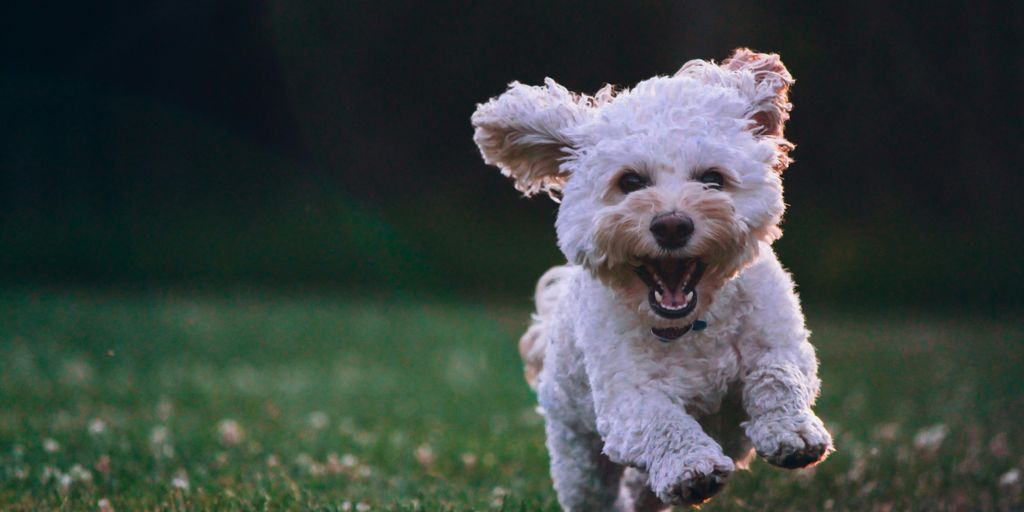
It’s easy to think of anxiety as just a human thing, but dogs experience it too. Just like us, dogs can feel anxious, and it’s important to understand why. It’s a normal emotion, but when it becomes too much, it can really affect their lives. Let’s take a look at what dog anxiety is all about.
Common Signs of Anxiety in Dogs
Spotting anxiety in dogs isn’t always obvious. They can’t exactly tell us what’s wrong, so we have to watch for clues. Some common signs include:
- Excessive panting or drooling when they aren’t hot or thirsty.
- Pacing or restlessness.
- Trembling or shaking.
- Hiding or trying to escape.
- Changes in appetite.
- Destructive behavior, like chewing furniture.
Sometimes, these signs are subtle, like a dog tucking their tail or avoiding eye contact. Other times, they’re more obvious. The key is to know what’s normal for your dog so you can spot when something is off.
Different Types of Dog Anxiety
Not all anxiety is the same. There are different types, and knowing which one your dog has can help you figure out the best way to help them. Some common types include:
- Separation anxiety: This happens when a dog gets anxious when left alone.
- Generalized anxiety: This is a more constant state of worry, not tied to a specific event.
- Fear-related anxiety: This is triggered by specific things, like loud noises or strangers.
Understanding the type of anxiety your dog is experiencing is the first step in finding effective solutions. It helps you tailor your approach to address the root cause of their distress.
The Impact of Environment on Dog Anxiety
A dog’s surroundings can play a big role in their anxiety levels. Think about it – a noisy, chaotic home is going to be more stressful than a calm, predictable one. Things like loud noises, unfamiliar people, or changes in routine can all trigger anxiety. Even something like moving furniture around can be upsetting for some dogs. Creating a stable and predictable environment can go a long way in helping your dog feel more secure. You can also try to avoid situations that trigger your dog’s anxiety. For example, if you know that your dog grows anxious around large groups of dogs, you should avoid dog parks. Avoidance does not mean that you need to put your life on hold, but it can reduce some of the stress on you and your dog.
Creating a Safe Environment
It’s super important to make sure your dog feels secure, especially if they’re dealing with anxiety. Think of your home as their sanctuary. Let’s look at how to set things up so they feel safe and sound.
Establishing a Comfort Zone
Creating a comfort zone is key. This is their go-to spot when they feel overwhelmed. It could be a crate, a bed in a quiet corner, or even just a specific blanket. Make sure it’s always accessible and filled with their favorite things – toys, blankets, whatever makes them feel good. Never use this space as punishment; it should always be a positive retreat. Think of it as their personal chill zone.
Minimizing Stressors
Identifying and reducing stressors is a big deal. What makes your dog anxious? Loud noises? Strangers? Certain objects? Once you know, you can start to minimize their exposure. For example, if they’re scared of thunderstorms, create a safe space away from windows and maybe play some calming music. If visitors stress them out, give them their safe space and let them chill there until they’re ready to socialize (if ever). It’s all about creating a calm environment.
Using Calming Products
There are tons of products out there designed to help calm anxious dogs. Things like anxiety relief toys can be a game-changer. Diffusers with calming scents (like lavender) can also help create a more relaxed atmosphere. Some people swear by calming treats or supplements, but always check with your vet before trying those. It’s about finding what works best for your dog and incorporating it into their daily routine.
Creating a safe environment is more than just providing a physical space; it’s about understanding your dog’s triggers and proactively minimizing their exposure to them. This involves careful observation, patience, and a willingness to adapt your home and routine to meet their needs. By doing so, you’re not just reducing their anxiety, you’re building a stronger bond based on trust and security.
Here are some things to consider:
- Consistent daily routines
- Predictable interactions
- Safe and secure physical space
Effective Training Strategies
Training an anxious dog can feel like a real challenge, but it’s totally doable with the right approach. It’s all about building their confidence and helping them feel safe and secure. Forget about harsh methods; we’re focusing on positive vibes only!
Reward-Based Training Approaches
Positive reinforcement is your best friend here. Think treats, praise, or even a favorite toy – whatever gets your dog excited and motivated. The idea is to reward calm behavior, especially when they’re facing something that usually makes them anxious. For example, if your dog gets nervous around strangers, reward them for staying calm when someone new is nearby. Keep the sessions short and sweet to avoid overwhelming them. It’s also important to be consistent with your rewards so they can make the connection between their behavior and the positive outcome. This method is essential for building a positive and productive training experience. Remember, even with owner-training, seeking professional guidance is highly recommended, especially if you’re new to dog training or encounter specific challenges.
Training and Counterconditioning
Counterconditioning is a fancy word for changing your dog’s emotional response to something they fear. Let’s say your dog hates car rides. You can start by just sitting in the car with them, giving them treats and praise. Then, gradually increase the time and distance of the rides, always pairing it with something positive. The goal is to replace the negative association with a positive one. Training also helps by giving your dog something to focus on other than their anxiety. Simple commands like "sit," "stay," or "down" can provide a sense of control and predictability, which can be really comforting for an anxious dog.
Consistency is key. Make sure everyone in the family is on board with the training plan and using the same commands and rewards. This will help avoid confusion and ensure your dog learns as quickly and effectively as possible.
Confidence Building Exercises
Building your dog’s confidence is a huge part of managing their anxiety. Think of it like this: a confident dog is less likely to be scared by new or challenging situations. Here are a few ideas:
- Obstacle Courses: Set up a simple obstacle course in your backyard using things like pillows, blankets, or even cardboard boxes. Guide your dog through the course, rewarding them for each successful step.
- Puzzle Toys: These are great for mental stimulation and can help your dog feel more confident in their problem-solving abilities. There are tons of different puzzle toys available, so find one that suits your dog’s skill level.
- New Experiences: Introduce your dog to new sights, sounds, and smells in a controlled and positive way. Take them to a quiet park, let them sniff new objects, or even just play some different types of music. Remember to go at their pace and never force them into a situation they’re not comfortable with. If your dog struggles with separation anxiety, reward calm behavior, use interactive toys, and implement gradual departure exercises.
Desensitization Techniques
Desensitization is all about slowly getting your dog used to things that make them anxious. It’s not about flooding them with the scary thing all at once, but rather introducing it in small, manageable doses. Think of it like turning up the volume on a song very, very slowly.
Gradual Exposure to Triggers
The key here is gradual. You need to figure out what your dog’s threshold is – how close can they get to the thing that scares them before they start to freak out? Start way below that threshold. For example, if your dog is scared of other dogs, start by just having them see another dog from a distance where they’re still relatively calm. Over time, and only if they remain calm, you can slowly decrease the distance. This calm environment helps them adjust without feeling overwhelmed.
Using Positive Reinforcement
Positive reinforcement is your best friend during desensitization. Every time your dog is exposed to the trigger and remains calm, reward them! Use high-value treats, praise, or whatever motivates them. The goal is to create a positive association with the thing they used to fear. It’s like saying, "See? That scary thing isn’t so bad after all! Good things happen when it’s around!"
Monitoring Progress and Adjustments
It’s super important to pay close attention to your dog’s body language. If they start showing signs of anxiety (panting, lip licking, whale eye, etc.), you’ve gone too far, too fast. Back off and try again with a lower intensity. Progress isn’t always linear; some days will be better than others. Be patient and adjust your approach as needed. Remember, the goal is to help your dog feel safe and secure, not to push them past their limits.
Desensitization isn’t a quick fix. It takes time, patience, and consistency. But with dedication, you can help your dog overcome their fears and live a happier, more relaxed life. Don’t get discouraged if you don’t see results immediately. Every small step forward is a victory!
Incorporating Routine and Structure
Establishing Daily Routines
Dogs, especially anxious ones, thrive on predictability. Think about it – when you know what to expect, you feel more secure, right? It’s the same for your furry friend. A solid daily routine can seriously reduce anxiety. This means setting specific times for walks, feeding, playtime, and even rest.
- Morning: Start with a walk around the same time each day. This helps them burn off energy and sets a positive tone.
- Meals: Consistent feeding times are key. It helps regulate their body and provides a sense of security. Maybe even use a puzzle feeder to make it more engaging!
- Evening: Wind down with a gentle walk or some quiet cuddle time. This signals that it’s time to relax and prepare for sleep.
Consistency in Training Sessions
Training isn’t just about teaching tricks; it’s about building confidence and providing mental stimulation. Consistent training sessions are super important. Keep them short, positive, and at the same time each day if possible. This helps your dog understand what’s expected of them and reduces uncertainty.
Consistency is key. If you’re not consistent, your dog will get confused, and that can actually increase their anxiety. Make sure everyone in the household is on the same page with the training plan.
The Role of Exercise and Play
Exercise is a fantastic way to burn off excess energy and reduce stress. A tired dog is often a less anxious dog. Make sure your dog gets enough physical activity each day, whether it’s a brisk walk, a game of fetch, or a romp in the park. Playtime is also crucial. It’s not just about physical exercise; it’s about mental stimulation and bonding with you. Find activities that your dog enjoys and incorporate them into their daily routine.
Here’s a simple example of how much exercise different breeds might need:
| Breed | Exercise Needs |
|---|---|
| Border Collie | High (1-2 hours daily) |
| Golden Retriever | Moderate (45-60 minutes) |
| Chihuahua | Low (20-30 minutes) |
Remember to adjust based on your dog’s individual needs and health condition. Regular physical activity is a game changer.
Professional Support and Resources
It’s easy to feel lost when dealing with dog anxiety. You might try a bunch of things that don’t seem to work, or maybe you just don’t know where to start. That’s where professional help comes in. Getting advice from experts can make a huge difference in how well your dog copes with their anxiety. They can give you personalized strategies and support.
When to Seek Expert Help
Sometimes, no matter how hard you try, your dog’s anxiety just isn’t getting better. If you’ve been working on training and creating a safe space, but your dog is still really struggling, it might be time to call in a pro. Think about it this way: if your dog’s anxiety is seriously affecting their quality of life – like they’re constantly stressed, not eating, or acting out – a professional can offer a new perspective and more intensive help. It’s also a good idea to seek help if you’re feeling overwhelmed or unsure about what to do next. Remember, there’s no shame in asking for assistance. A training program can be a game changer.
Finding a Qualified Trainer
Finding the right trainer is super important. You want someone who not only knows their stuff but also understands your dog’s specific needs. Look for trainers who have experience with anxiety in dogs and use positive reinforcement methods. Ask about their qualifications and training philosophy. It’s also a good idea to read reviews or talk to other dog owners who have worked with them. A good trainer should be able to assess your dog’s temperament, develop a tailored training plan, and provide ongoing support. Don’t be afraid to shop around and find someone you feel comfortable with.
Utilizing Online Resources and Communities
There’s a ton of information available online that can help you understand and manage your dog’s anxiety. Websites, forums, and social media groups dedicated to dog anxiety can be great places to learn new tips, share experiences, and connect with other owners. Just be sure to check the credibility of the information you find online. Look for resources from reputable organizations, certified trainers, or veterinarians. Online communities can also provide a sense of support and encouragement, reminding you that you’re not alone in this journey.
Remember, dealing with dog anxiety can be tough, but you don’t have to do it alone. Professional support and online resources can provide the guidance and encouragement you need to help your dog live a happier, less anxious life.
Managing Anxiety with Medication
Sometimes, despite our best efforts with training and creating a safe space, a dog’s anxiety might still be a significant issue. That’s when talking to your vet about medication becomes important. It’s not always the first choice, but it can be a helpful tool when other methods aren’t enough.
Consulting Your Veterinarian
Before you even think about medication, a vet visit is a must. They’ll do a full check-up to rule out any underlying medical problems that could be causing or worsening the anxiety. It’s also a chance to discuss your dog’s behavior in detail. Be ready to answer questions about when the anxiety started, what triggers it, and what you’ve already tried. The place command can be useful in managing excitement and anxiety during these consultations, creating a calmer environment for both your dog and the veterinary staff.
Types of Medications Available
If medication is the right path, your vet will explain the different options. Here are a few common ones:
- SSRIs (Selective Serotonin Reuptake Inhibitors): These, like fluoxetine, work by increasing serotonin levels in the brain, which can help regulate mood over time. They’re often used for more chronic anxiety issues.
- Benzodiazepines: These are fast-acting and can be helpful for short-term anxiety, like before a stressful event such as fireworks. Diazepam is an example.
- Tricyclic Antidepressants (TCAs): Similar to SSRIs, these affect neurotransmitter levels but have a broader range of effects. Clomipramine is a common one.
It’s important to remember that medication isn’t a quick fix. It often takes time to find the right medication and dosage, and it might require some trial and error. Your vet will monitor your dog closely for any side effects and adjust the treatment plan as needed.
Natural Alternatives to Consider
Alongside or even instead of traditional medications, some natural options might help. CBD oil is one that’s gained popularity, with some owners reporting reduced anxiety in their dogs. Pheromone diffusers, which release calming scents, are another option. Always chat with your vet before trying any natural remedies to make sure they’re safe for your dog and won’t interact with any other medications. Remember, what works for one dog might not work for another, so it’s all about finding the best approach for your furry friend. If your dog is exhibiting severe anxiety symptoms, such as extreme fear reactions or destructive behaviors, medication can help reduce these symptoms. If you’ve consistently implemented behavioral training techniques, such as desensitization, but your dog’s anxiety remains unchanged or worsens, medication may provide the necessary support to help them learn more effectively.
If you’re struggling with anxiety, medication can be a helpful tool to manage your symptoms. It’s important to talk to a doctor about your options and find the right medication for you. Remember, medication works best when combined with therapy and lifestyle changes. For more tips on managing anxiety, visit our website today!
Wrapping It Up
Training a dog with anxiety takes time and patience, but it’s totally worth it. By using the right techniques, like positive reinforcement and creating a calm environment, you can help your furry friend feel more at ease. Remember, every dog is different, so what works for one might not work for another. Keep an eye on their triggers and adjust your approach as needed. Don’t hesitate to reach out for professional help if things get tough. With love, consistency, and the right strategies, you can make a real difference in your dog’s life.
Frequently Asked Questions
What are the signs that my dog has anxiety?
Common signs include excessive barking, hiding, trembling, or being overly clingy.
What types of anxiety can dogs have?
Dogs can experience various types of anxiety, such as separation anxiety, fear of loud noises, or social anxiety.
How can I create a safe space for my anxious dog?
You can create a safe space by setting up a cozy area with their favorite blanket and toys, away from loud noises.
What training methods are best for anxious dogs?
Positive reinforcement, where you reward calm behavior, is very effective. Counterconditioning can also help change your dog’s response to anxiety triggers.
When should I consider getting professional help for my dog’s anxiety?
If your dog’s anxiety doesn’t improve with training or if their behavior worsens, it might be time to consult a dog trainer or behaviorist.
Are there medications for dogs with anxiety?
Yes, some dogs may benefit from medications prescribed by a veterinarian, but there are also natural alternatives that can help.