
Getting a new puppy is super exciting, right? You’ve got the toys, the treats, and all the cuddles planned. But before long, you’ll probably want to take your furry friend for walks without feeling like you’re in a tug-of-war. That’s where a good puppy training collar comes in. This puppy training collar guide is here to help you figure out what works best for your little buddy. We’ll look at different types of collars and how to use them the right way, keeping things positive and simple for both of you.
Key Takeaways
- Using the right puppy training collar can make teaching your dog good leash manners much easier.
- There are different kinds of collars, like Martingale collars for dogs with slim heads and harnesses for pups who pull a lot.
- Think about your puppy’s breed, personality, and how sensitive they are when picking a collar.
- Introduce any new collar slowly and always pair it with positive rewards and praise.
- If you’re having trouble or your dog shows big behavior issues, it’s always best to get advice from a vet or a professional trainer.
Understanding Puppy Training Collar Basics
What Are Puppy Training Collars?
Puppy training collars are tools designed to help you communicate with your dog and guide their behavior during training sessions. They aren’t about punishment; think of them more as a way to get your puppy’s attention when you need it most. The right collar can make training smoother for both you and your pup. Some collars are simple, like a standard buckle collar, while others offer more specific ways to communicate. The goal is always to reinforce good behavior and discourage unwanted actions, making your dog a well-behaved companion. It’s important to remember that not all collars are created equal, and what works for one dog might not work for another. Choosing wisely is the first step toward successful training.
The Role Of Collars In Positive Reinforcement
When we talk about positive reinforcement, we’re focusing on rewarding good behavior. Collars can play a supporting role in this. For instance, a gentle tug on a leash attached to a well-fitting collar can help redirect your puppy’s attention back to you when they’re getting distracted. This isn’t about causing pain or fear; it’s about a clear, physical cue that says, ‘Hey, pay attention to me!’ When your puppy responds correctly to this cue, you can immediately follow up with praise or a small treat. This helps them associate the collar’s signal with listening to you and earning a reward. It’s all about building a clear line of communication. Using treats effectively is a big part of this process; you can find more information on how to use treats for training.
Why Choose A Training Collar For Your Puppy?
So, why bother with a specific training collar when your puppy might already have a regular one? Well, a standard buckle collar is great for identification, but it might not offer the control needed for effective training, especially if your puppy is a strong puller or easily distracted. Training collars are designed with specific features to help you manage your puppy’s behavior more effectively. They can help you:
- Gain your puppy’s attention when they’re focused on something else.
- Provide gentle guidance during leash walks to prevent pulling.
- Reinforce commands like ‘sit’ or ‘stay’ with a clear physical cue.
- Prevent your puppy from backing out of their collar, which can happen with standard collars.
Choosing the right training collar is about finding a tool that helps you communicate clearly and kindly with your puppy, making the learning process more effective and enjoyable for everyone involved. It’s not about forcing compliance, but about building a better relationship through understanding and consistent guidance.
Exploring Different Types Of Puppy Training Collars
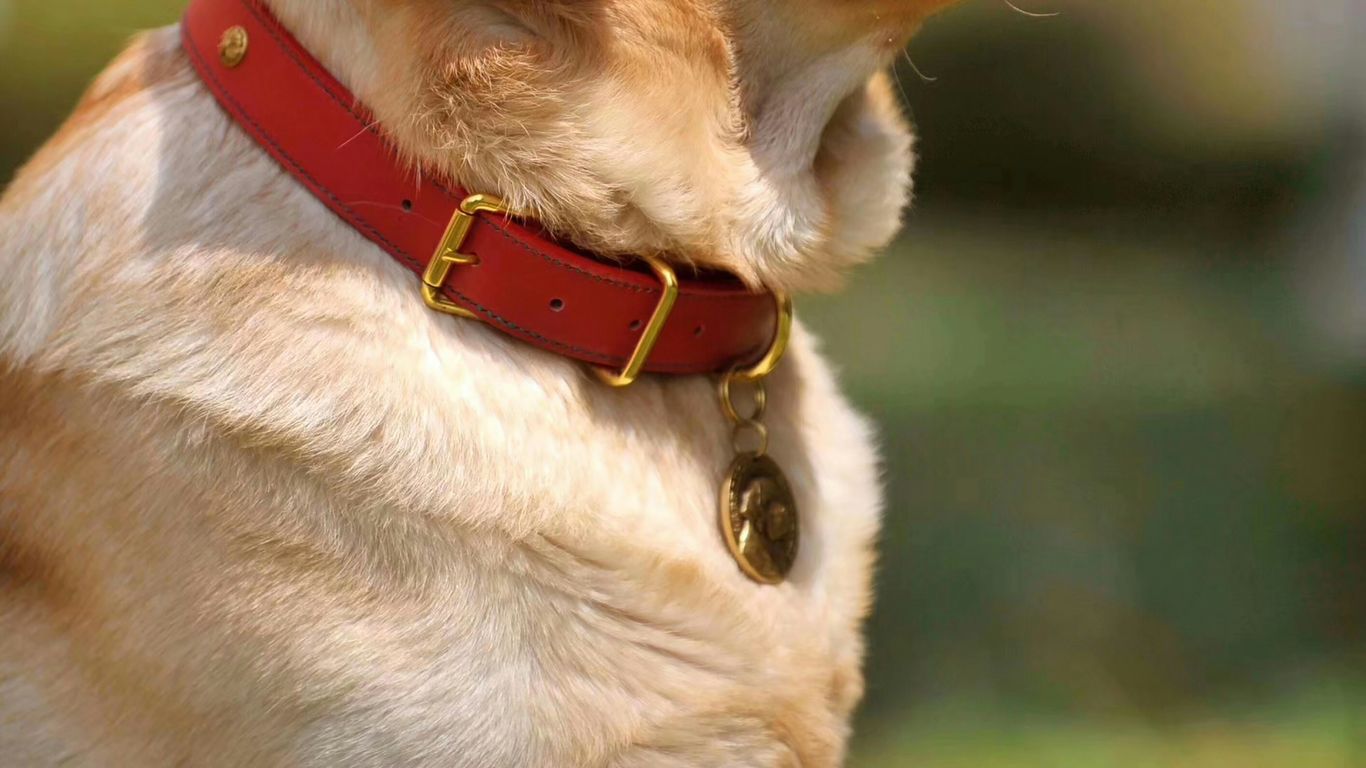
When you’re looking at collars for your puppy, it can feel like a lot. There are so many options out there, and they all seem to do slightly different things. It’s not just about picking a pretty color, though. The right collar can really make a difference in how smoothly training goes. The key is finding a tool that helps you communicate clearly with your pup without causing them stress. Let’s break down some of the common types you’ll encounter.
The Versatility Of Martingale Collars
Martingale collars, sometimes called greyhound collars, are pretty neat. They have two loops. The main loop goes around your dog’s neck, and a smaller loop connects to the leash. When your dog pulls, the smaller loop tightens the larger one, but only to a certain point. This prevents them from slipping out of the collar, which is a big plus, especially for dogs with slender heads like sighthounds. They offer a bit more control than a standard buckle collar without being harsh. It’s a good option if your puppy is a bit of an escape artist or if you’re working on leash manners and need that extra security.
Headcollars For Gentle Leash Guidance
Headcollars, like the Gentle Leader, work differently. Instead of going around the neck, they fit around your dog’s muzzle and behind their ears. The leash attaches under the chin. When your dog pulls, the headcollar gently turns their head back towards you. This redirects their attention and discourages pulling without putting pressure on their throat. It’s like steering a horse by its reins. They can be really effective for strong pullers, but it’s important to introduce them slowly so your puppy gets used to wearing one. Some dogs might feel a bit weird about having their muzzle covered at first, so patience is key here. You can find more information on different dog collars.
Harnesses As An Alternative For Pulling
Harnesses have become super popular, and for good reason. They distribute pressure across your dog’s chest and back, rather than their neck. This makes them a great choice for puppies who might be sensitive around their neck or for those who tend to pull a lot. Many harnesses have a front clip, meaning the leash attaches to a ring on the dog’s chest. This setup naturally discourages pulling because when the dog pulls forward, they’re gently steered to the side. It’s a really humane way to manage pulling and can make walks much more enjoyable for both of you. There are different styles, so you’ll want to find one that fits your puppy well and doesn’t chafe.
Here’s a quick look at some common types:
- Martingale Collars: Great for preventing escapes, especially for dogs with narrow heads.
- Headcollars: Offer gentle redirection for strong pullers by guiding the head.
- Front-Clip Harnesses: Discourage pulling by redirecting the dog’s momentum.
Choosing the right equipment is just one piece of the puzzle. Remember that consistency and positive reinforcement are what truly build a strong bond and good behavior with your puppy. Don’t be afraid to try different things until you find what clicks for your individual dog.
Selecting The Right Collar For Your Puppy’s Needs
Picking out the right collar for your puppy isn’t just about looks, though a cute collar is a bonus! It’s really about finding something that’s safe, comfortable, and works with your training plan. Think of it like choosing the right tool for a job – you wouldn’t use a hammer to screw in a nail, right? The same goes for puppy collars. The best collar is one that suits your puppy’s unique characteristics and your training goals.
Considering Your Puppy’s Breed And Temperament
Every puppy is an individual, and their breed can give us some clues about their personality and physical needs. For example, a high-energy Border Collie might need a different kind of collar than a more laid-back Basset Hound. Some breeds are more prone to pulling, while others might be more sensitive to pressure. It’s important to observe your puppy’s natural tendencies. Are they easily startled? Do they tend to lunge at things? Understanding these traits helps you narrow down your options. For instance, if you have a breed known for being a bit stubborn, you might need to look into training methods that build trust, like those focusing on positive reinforcement building trust.
Matching Collar Type To Training Goals
What are you hoping to achieve with the collar? If your main goal is simply to have a place for their ID tags and a way to attach a leash for casual walks, a standard buckle collar might be perfectly fine. However, if you’re working on leash manners and trying to curb pulling, you might explore other options. Martingale collars, for example, can be helpful for breeds with slender heads that might slip out of regular collars, as they tighten slightly when the dog pulls, discouraging the behavior without causing harm. Harnesses are another popular choice, especially for puppies who pull a lot, as they distribute pressure across the chest rather than the neck.
Assessing Your Puppy’s Sensitivity
Puppies, especially young ones, can be quite sensitive. Some puppies barely notice a collar, while others might react strongly to even the slightest pressure or sensation. It’s a good idea to start with the simplest option, like a standard flat collar, and see how your puppy responds. Pay attention to their body language. Are they scratching at it? Trying to paw it off? Or do they seem comfortable and unbothered? If your puppy seems particularly sensitive, you might want to consider softer materials or collars designed to minimize irritation.
Here’s a quick rundown of things to think about:
- Breed Tendencies: Does your puppy’s breed typically pull a lot or have a tendency to slip out of collars?
- Temperament: Is your puppy easily spooked, or are they generally calm and confident?
- Physical Build: Does your puppy have a very slender neck, or a thick, sturdy one?
- Skin Condition: Does your puppy have any known allergies or sensitive skin?
Choosing the right collar is a step in the right direction for successful training. It’s about finding a balance between control, comfort, and safety for your growing pup. Don’t be afraid to try a couple of different types if the first one isn’t quite right. What works for one puppy might not work for another, and that’s perfectly okay.
Implementing Puppy Training Collar Techniques
So, you’ve picked out the right collar for your furry friend, and now it’s time to actually use it. This isn’t about just slapping a collar on and hoping for the best. It’s about making the process smooth and positive for your pup. The goal is to build good habits, not create fear or confusion.
Starting With A Standard Buckle Collar
Before you jump to anything fancy, let’s start simple. A basic buckle collar is often all you need, especially for younger pups. You want to see how your dog responds to basic commands while wearing it. Indoors is the best place to start, with fewer distractions. Try a simple command like ‘stay.’ Give the command, give a gentle tug on the leash, and if they listen, reward them! It’s all about getting their attention and showing them what you want.
Introducing New Collars Gradually
If a standard collar isn’t quite cutting it, and you need to try something else, don’t just switch it out overnight. Your puppy needs time to get used to any new gear. Let them wear it for short periods while you’re supervising. Associate the new collar with good things, like treats or playtime. This helps them see it as a normal part of training, not something to worry about. It’s a bit like introducing a new toy – you don’t just throw it at them, right?
Combining Collars With Positive Reinforcement
No matter what type of collar you’re using, remember that it’s just one tool in your training toolbox. The real magic happens when you pair it with positive reinforcement. This means rewarding good behavior with praise, treats, or toys. When your puppy does something right, like walking nicely on the leash or responding to a command, make a big deal out of it! This helps them understand what you like and encourages them to repeat it. Think of the collar as a way to get their attention, and the rewards as the way you tell them ‘good job!’
It’s easy to get caught up in the equipment, but don’t forget the basics of dog training. Clear communication, patience, and consistency are key. The collar should support your training, not be the entire training plan. If you’re struggling, don’t hesitate to look for help.
Here’s a quick look at how different collars might fit into your training plan:
- Standard Buckle Collar: Great for initial training and well-behaved dogs.
- Martingale Collar: Useful for dogs that might slip out of a regular collar, offering a bit more security.
- Headcollar/Harness: Best for managing strong pullers and redirecting movement gently.
Remember, every dog is different. What works for one might not work for another. Always observe your puppy’s reactions and adjust your approach accordingly. If you’re finding that even with the right collar and techniques, you’re not seeing the progress you hoped for, it might be time to consult with a professional. They can offer personalized advice and help you troubleshoot specific issues with your training.
When To Seek Professional Guidance
Sometimes, even with the best intentions and the right gear, training a puppy can hit a wall. If you’re finding yourself stuck, or if your puppy is showing signs of serious behavioral issues, it’s definitely time to call in the pros. Trying to tackle complex problems alone can sometimes make things worse, and nobody wants that for their furry friend.
Recognizing Signs of Behavioral Challenges
It’s not always obvious when a behavior crosses the line from ‘puppy antics’ to something more concerning. Keep an eye out for these red flags:
- Persistent Aggression: This isn’t just playful nipping. We’re talking about growling, snapping, or biting that seems unprovoked or is directed at people or other animals in a way that feels genuinely threatening.
- Intense Fear or Anxiety: Does your puppy seem constantly on edge? Extreme reactions to everyday things like loud noises, strangers, or even being left alone for short periods could indicate a deeper anxiety issue.
- Destructive Behavior: While puppies chew, if your dog is destroying furniture, doors, or other items even when you’re around, or if it’s happening excessively, it might be a sign of boredom, stress, or separation anxiety.
- Compulsive Behaviors: Things like excessive licking, tail chasing, or pacing can sometimes point to underlying stress or neurological issues.
Consulting Veterinarians and Trainers
When you spot these kinds of behaviors, your first stop should be your veterinarian. They can rule out any medical reasons for the changes in your puppy’s behavior. Sometimes, a health issue can manifest as a behavioral problem. After that, or if your vet confirms it’s behavioral, it’s time to find a qualified professional trainer or a veterinary behaviorist. A good trainer can assess your specific situation and create a tailored plan. They’ve seen it all and know how to approach different issues safely and effectively. Don’t just pick the first trainer you find; look for someone with experience in the specific problem you’re facing.
When a Puppy Training Collar Isn’t Enough
Training collars are tools, and like any tool, they have their limits. They can be incredibly helpful for teaching basic manners and leash walking, but they aren’t magic wands. If your puppy is exhibiting severe fear, aggression, or anxiety, a collar alone won’t fix it. In these cases, the collar might even be counterproductive if not used correctly under professional supervision. The focus needs to shift from just equipment to a broader behavior modification plan that might include environmental changes, management strategies, and specific training exercises designed by an expert. Remember, the goal is a happy, well-adjusted dog, and sometimes that requires more than just a different leash attachment.
It’s easy to get caught up in the idea that there’s one perfect gadget or technique that will solve all your training woes. But the reality is, every dog is an individual, and what works for one might not work for another. When you’re dealing with challenging behaviors, remember that professional help isn’t a sign of failure; it’s a smart step towards ensuring your puppy grows into a confident and well-behaved companion.
Sometimes, even with the best intentions, you might hit a snag with your dog’s training. If you’re feeling stuck or your dog isn’t responding like you hoped, it’s okay to ask for help. Don’t hesitate to reach out to experts who can offer personalized advice. For expert tips and guidance tailored to your furry friend’s needs, visit our website today!
Wrapping Up Your Collar Choice
So, picking the right collar for your pup isn’t just about looks; it’s about making training smoother and safer for both of you. We’ve looked at a few options, from the basic buckle collar to more specialized ones like martingales. Remember, the goal is clear communication with your dog, and the best tool for that job really depends on your specific dog and what you’re trying to teach them. Always start with positive methods and be patient. If you’re ever unsure, chatting with your vet or a professional trainer is always a smart move. Happy training!
Frequently Asked Questions
What is a puppy training collar, and why would I need one?
A puppy training collar is a tool designed to help you teach your puppy good manners, especially when walking on a leash. It’s not about punishment, but about guiding your puppy and getting their attention when you give a command. Some puppies learn quickly with a regular collar, but others might need a special type of collar to help them understand what you want them to do.
Are training collars safe for puppies?
Yes, when used correctly and with positive reinforcement, many training collars are safe. The key is to choose a collar that fits well and is appropriate for your puppy’s size and sensitivity. It’s always best to avoid collars that cause pain or fear, and instead focus on gentle guidance and rewarding good behavior. If you’re unsure, ask a vet or a professional trainer.
What’s the difference between a martingale collar and a harness?
A martingale collar is a type of collar that tightens slightly when your puppy pulls, which can help them pay attention. It’s good for dogs with narrow heads because they can’t easily slip out of it. A harness, on the other hand, fits around your puppy’s chest and back. Some harnesses have a leash clip in the front, which can help stop pulling by gently guiding your puppy to the side instead of letting them pull forward.
How do I introduce a new collar to my puppy?
You should introduce any new collar slowly and make it a positive experience. Let your puppy sniff it and get used to it. You can try putting it on for short periods while giving treats and praise. Don’t force it. The goal is for your puppy to feel comfortable and not scared of the collar.
When should I consider getting professional help for my puppy’s training?
If your puppy is showing signs of being very fearful, aggressive, or if you’re just not making progress with your training, it’s a good idea to get help. A professional trainer or your veterinarian can offer guidance and make sure you’re using the safest and most effective methods for your specific puppy and any challenges they might have.
Can a training collar fix all behavior problems?
A training collar is just one tool to help with training. It works best when combined with positive reinforcement, like treats and praise, and consistent training from you. It won’t magically fix all problems, especially serious ones like aggression. For those, you’ll definitely need professional help. Think of the collar as a helper, not a magic fix.