
Bringing home a puppy when you have a full-time job can feel overwhelming. You want to do right by your new furry friend, but your schedule is already packed. The good news is, puppy training for working owners doesn’t have to be impossible. With some planning, a little creativity, and the right tools, you can help your puppy learn the ropes and settle in, even if you’re away during the day. Here’s what you need to know to make it work.
Key Takeaways
- Short, regular training sessions fit better into a busy schedule than long ones and are more effective for puppies.
- Tech tools like cameras, automatic feeders, and reminder apps can help you keep up with training and care while you’re away.
- Setting up a safe area with rotating toys and food puzzles keeps your puppy busy and learning when you’re not home.
- Potty training is possible for working owners with help from dog walkers, indoor potty solutions, and consistent habits when you’re home.
- Everyday routines—like meals, walks, and bedtime—are great chances to sneak in training, so you don’t need extra time set aside.
Creating a Realistic Training Schedule for Busy Owners
Setting up a training plan that actually fits with a full work schedule isn’t always easy, but it can absolutely be done. Most of us don’t have hours to spare, and honestly, that might even help—puppies learn best with short, focused sessions, not marathon lessons. What matters most is repeating good habits, not how long you push things.
Prioritizing Short, Frequent Sessions
- Aim for several 2-5 minute training sessions each day—think quick instructions, not lengthy classes.
- Focus on one command or trick per session. Too much at once usually leads to confusion and frustration (for everyone).
- Squeeze in sessions during routines you already have: before breakfast, during post-work walks, or right before bed.
| Session Length | Sessions Per Day | When to Fit Them In |
|---|---|---|
| 2-5 minutes | 3-5 | Morning, evening, bedtime |
Sticking to the short-and-often rule helps your puppy stay interested and lets training fit into the tiniest gaps in your day.
Balancing Consistency with a Hectic Workday
Creating a rhythm you and your puppy can both rely on means:
- Picking specific times each day for training—even if that just means weekday mornings and evenings.
- Keeping commands, expectations, and rewards the same every time, even when you’re tired or rushed.
- Making use of weekends or days off to try more advanced skills, but keeping your weekday schedule simple and repeatable.
Remember, consistency is what helps new behaviors stick—not perfection. Some days will be messier than others, and that’s totally normal.
Morning, Evening, and Weekend Routine Ideas
There are ways to sneak training into the patterns you already follow:
- Morning: Do a quick sit-stay or recall practice with part of your puppy’s breakfast before you leave.
- Evening: A refresher session after your evening walk can help tire them out mentally as well as physically.
- Bedtime: Practice settling on a mat or in a crate for five calm minutes before sleep.
- Weekends: When you have more time, add in new commands or take a longer walk with planned training stops.
All in all, you’ll find that a structured, realistic training schedule doesn’t demand a free calendar—just small, steady efforts, day after day.
Using Technology and Tools to Support Training
Technology can’t walk your puppy for you, but it makes a big difference for busy owners. There are small gadgets and apps that can help you stay involved and keep your puppy engaged, even when you’re stuck at work or on the go. Let’s break down some smart solutions you can start using right away.
Remote Monitoring and Interactive Cameras
Ever wish you could check in on your puppy while you’re out? Interactive cameras make it possible. These devices let you watch, talk, and even dispense treats remotely, which helps ease your mind and keeps your puppy calmer. Some cameras offer motion alerts and two-way audio so you can give a quick ‘good dog!’ if you spot your puppy snoozing instead of chewing the couch.
- Real-time video monitoring from your phone
- Talk to your puppy with two-way sound
- Dispense treats for positive reinforcement
If you’re curious about how brief, consistent training—even remotely—can lead to success, check out the idea of using short, positive training sessions.
When you see your puppy behaving well, a quick hello or treat from afar can help prevent anxiety and support the habits you’re teaching at home.
Automated Feeders and Puzzle Toys
Keeping your puppy occupied is half the battle, especially when you’re not home to hand out snacks or play the millionth round of fetch. Automated feeders can spread out meals through the day, and puzzle toys add mental challenges to keep your puppy’s brain busy. Enrichment like this doesn’t just fill time; it helps prevent boredom-based mischief.
Here’s a quick comparison table of features you might look for:
| Tool | Main Benefit | How It Helps When You’re Away |
|---|---|---|
| Automated Feeder | Scheduled meals | Keeps routines predictable |
| Treat-Dispensing Camera | Remote treat rewards | Reinforces good behavior remotely |
| Puzzle Toy | Mental stimulation | Prevents boredom, encourages focus |
- Pick simple puzzles for new puppies, and level up as they get the hang of it
- Observe through your camera to see what engages your pup the most
- Swap toys regularly for extra excitement
App-Based Reminders and Progress Tracking
With so much going on, it’s easy to lose track of your puppy’s training or feeding times. That’s where apps come in handy. Set reminders for short practice sessions, track your dog’s progress, and even log new skills.
- Use calendar notifications to schedule quick sessions before work or bed
- Log each new command learned so you don’t forget what to practice
- Share progress with family so everyone can pitch in
All these tools, while simple, build a bridge between being a busy owner and still raising a well-trained dog. Even small steps, supported by technology, can lead to steady results; you just have to keep at it, one day at a time.
Setting Up a Puppy-Safe Home for Independence
Creating the right home setup for your puppy isn’t just about keeping them safe — it’s about helping them get comfortable being alone and teaching them to spend time by themselves. A well-organized space can help your puppy stay calm and out of trouble when you’re away at work. Here’s how to set the stage for your puppy’s healthy independence.
Designing a Long-Term Confinement Area
A long-term confinement space is like a small puppy apartment: not just a crate, but a larger sectioned-off area that gives your pup some elbow room. This is where they’ll hang out while you’re gone, and it’s where they’ll start learning how to be on their own. Consider these steps:
- Set up a playpen or use baby gates to block off a section of a quiet room.
- Include a comfy bed or crate (leave the crate door open if you want them to have a choice).
- Add puppy-safe water bowls and, if needed, a pee pad at the far end from their bed.
- Make sure anything chewable or dangerous is out of reach. Cords, shoes, and kids’ toys are popular targets!
- Toss in safe chews and place the crate or bed strategically, so your puppy feels secure but not isolated.
Your dog’s space doesn’t have to be fancy — just safe, comfortable, and big enough for them to move, nap, and play a bit. Returning to a tidy pen keeps things calm and predictable for both of you.
Rotating Toys for Mental Stimulation
If you leave out all your puppy’s toys, they’ll quickly get bored with them. The trick is to rotate: swap out toys every day or two so there’s always something ‘new’ in the mix. This can help keep your puppy mentally active, even during long hours alone.
Toy Rotation Quick Guide
| Day of the Week | Toy Type |
|---|---|
| Monday | Plush with squeaker |
| Tuesday | Rubber chew |
| Wednesday | Rope tug |
| Thursday | Puzzle feeder |
| Friday | Ball (supervised only) |
| Weekend | Mix from above |
A rotating system not only keeps toys interesting but also helps you spot when something’s getting worn out before it turns into a choking hazard. Pick different shapes, sizes, and materials for variety.
Introducing Food Dispensing Puzzles
Food puzzles and treat-dispensing toys are game changers for working puppy owners. Instead of feeding your pup from a regular bowl, pop their kibble into a puzzle toy. It slows down their eating and gives them a job to do while you’re away.
Why use food puzzles?
- They stretch mealtime into a longer, more satisfying activity.
- Dogs engage their brains searching for snacks, which helps them stay focused and calm.
- It can cut back on boredom-based barking, chewing, or whining.
Try out a variety: Kongs with treats or frozen wet food, wobble dispensers, snuffle mats, and slow-feeder bowls. Start with easy ones and get trickier over time as your puppy figures them out!
Puppies left with stimulating activities are more likely to rest quietly and be less anxious about being alone. The right setup lets them feel safe, content, and confident — a win for any busy owner.
Potty Training Strategies for Working Schedules
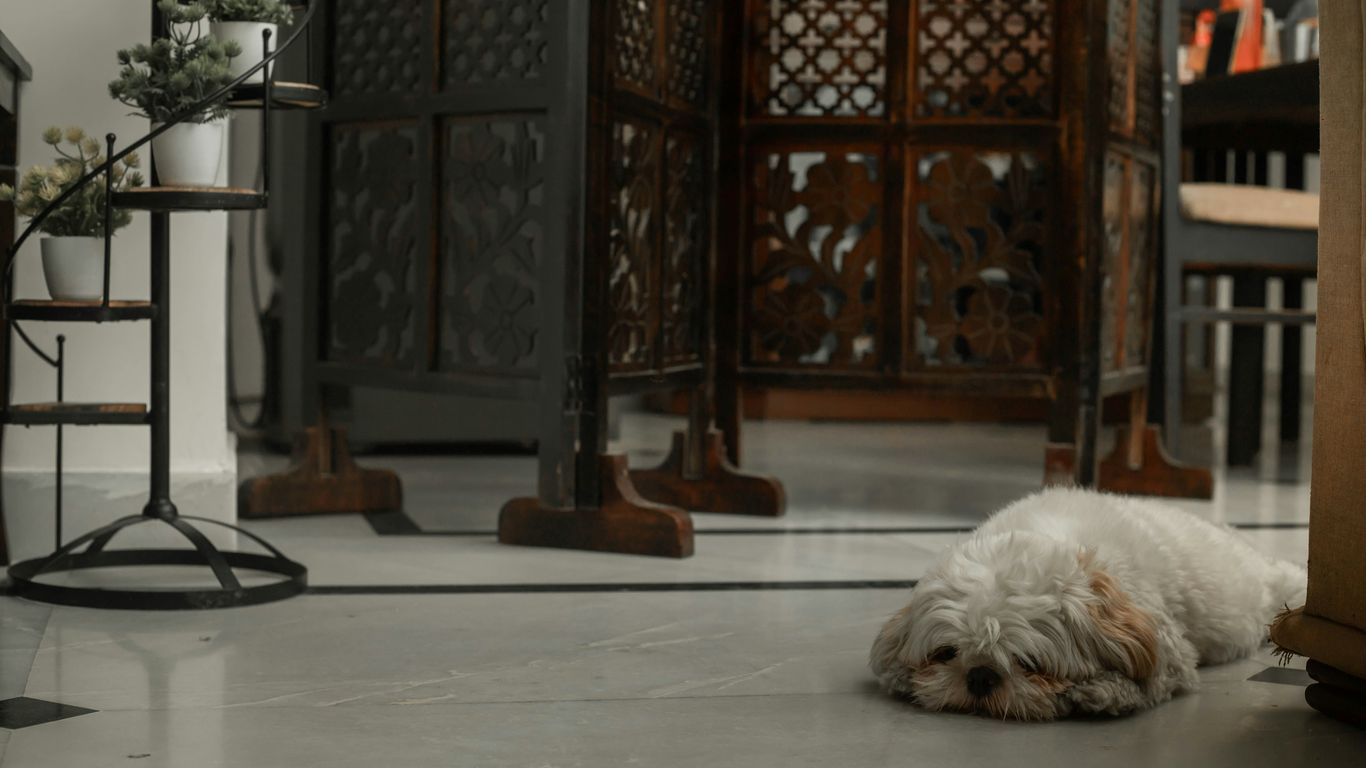
Tackling potty training while working full time isn’t easy, but it’s totally doable if you go in with a solid plan and some clever workarounds.
Utilizing Dog Walkers and Helpers
A puppy simply can’t wait eight or nine hours for a potty break. If you know you’ll be out for long stretches,
- Hire a dog walker or pet sitter for midday breaks
- Ask a family member, friend, or even a neighbor who’s home during the day to let your puppy out
- Coordinate with your household and write out who’s handling each bathroom break during the week
Covering the midday gap helps avoid backsliding and keeps your pup on track.
| Age (months) | Max Hold Time (hours) | Suggested Breaks per Workday |
|---|---|---|
| 2 | 2 | 4–5 |
| 3 | 3 | 3–4 |
| 4 | 4 | 3 |
Temporary Indoor Potty Solutions
Don’t feel bad if your puppy needs a backup plan for the hours when no one’s home. Sometimes, puppy pads or artificial turf mats are a must in the early months.
- Set up a clear potty zone, far from the feeding and sleeping areas
- Change pads quickly to avoid confusion
- Praise your puppy when you notice they’ve used the correct spot
Blockquote example:
Puppies who learn where it’s okay to go, even inside, will transfer this habit outdoors as they mature, especially when you keep an eye on them and encourage them during together time.
Reinforcing Good Habits When Home
Your real progress happens when you’re around. Multi-task as much as you can:
- Take your puppy out first thing in the morning and right before bed
- Tie potty breaks to play sessions, meals, naps, and crate time (structure your day for easy housetraining)
- Keep enzymatic cleaner handy for inevitable accidents
Stay calm about mistakes. Cleaning up and moving on helps your puppy stay confident instead of anxious.
Truly, with just a little structure and the right tools in place, potty training can fit into even the busiest routine.
Incorporating Training into Daily Routines
Training your puppy doesn’t have to mean carving out big chunks of time every day—honestly, who has that luxury with a packed schedule? You can make real progress by weaving short training moments into the regular flow of your daily routines. Linking bite-sized sessions to stuff you already do means training stops feeling like another task on your to-do list and becomes something you both enjoy.
Bringing new habits into everyday life is one of the easiest ways to keep things consistent, even when you’re busy or distracted.
Harnessing Mealtimes for Obedience Practice
Instead of plunking down your puppy’s food bowl and walking away, use that time to build skills. Before breakfast or dinner, ask for a simple command—like "sit" or "wait"—and reward with a scoop of their meal each time they follow through. Mealtime training doesn’t just boost manners; it also helps add a little focus when your puppy is hungry and ready to learn.
- Make your puppy work for each bite by practicing a few cues.
- Switch up the commands so your dog doesn’t start guessing what’s next.
- Try feeding part of their meal in puzzle feeders for a bit of brainwork.
Training During Walks and Playtime
Walking isn’t just about getting some energy out; it’s full of tiny training chances. In between sniffs, practice polite leash walking, "look at me," or gentle recalls. If you’re at the park tossing a toy, sneak in a "drop it" or "stay" before launching it again. These micro-sessions really add up.
- Reward calm leash walking with treats or extra sniff time.
- Use the environment—park benches, curbs, playgrounds—to practice "climb up" or "wait" commands.
- Keep treats handy or use praise so rewards are quick and meaningful.
| Routine | Example Training Cue | Reward Type |
|---|---|---|
| Mealtime | Sit, wait, down | Kibble/portions |
| Walk/Outdoor | Focus/look, recall | Treat/praise/play |
| Playtime | Drop it, stay | Resume play/tug |
Making Bedtime a Training Opportunity
That few minutes before bed, when your puppy is winding down, is a gentle time for some quick cues. Practice “go to bed” by having your puppy settle on their mat or bed with a favorite chew. Ask for a sit before hopping onto your lap or climbing into the crate. Repeating these simple behaviors at night can make evenings a lot smoother.
- Use a calm cue like "settle" to start winding down.
- Practice gentle handling—touch paws or ears—for future vet visits.
- End with a treat or a soft praise so bedtime feels good.
Even on hectic days, finding a minute or two for training can make all the difference. It builds your puppy’s confidence and teaches them what to expect, which makes everything at home run better—really, it adds up faster than you’d think.
Socializing Your Puppy Despite a Full-Time Job
Balancing work and puppy socialization isn’t simple, but it’s definitely possible if you’re a bit creative with your time. Puppies need chances to experience the world—people, places, noises—if they’re going to turn out friendly and confident. Here’s how you can squeeze in those valuable moments around a regular work schedule.
Weeknight Micro-Adventures and Outings
You don’t need hours for socialization. Just 15 minutes here and there can do wonders for a puppy’s confidence. Try these mini adventures:
- Stop by a friend’s porch or backyard for a quick visit
- Take a different route on your evening walk to find new sights and smells
- Sit outside a store or coffee shop, letting your puppy observe people, dogs, and cars
- Bring your pup on car rides—even if it’s just to the drive-through
If you aim for three new sights or sounds per week, you’ll rack up positive experiences fast.
Intentional Socialization Planning
Don’t leave exposure to chance—jot down a quick checklist of what your pup should meet and see before adulthood. Prioritize situations that reflect your own lifestyle, like:
| Type | Example Experiences | Frequency |
|---|---|---|
| People | Kids, seniors, delivery folks | Weekly |
| Environments | Elevators, stairwells, busy streets | 2x/week |
| Sounds | Vacuum, thunder, traffic, applause | As available |
| Other Animals | Friendly dogs, cats (if possible) | Weekly |
Each exposure only needs to be a few minutes, as long as your pup stays happy. Never push them if they seem scared—a little patience today pays off for years.
Getting Help for Daytime Experiences
You can still make socialization happen even while you’re at work. Consider these options:
- Ask your dog walker to try a new walking route every week.
- Book your puppy into reputable dog daycare twice a week for safe dog-to-dog play.
- See if friends or neighbors can stop by to introduce your pup to new faces and voices.
The more friendly people your puppy meets now, the more at ease they’ll be when they’re older—even if you’re short on time yourself.
It takes some planning, yes, but the effort you put in early on builds a well-adjusted companion. A little at a time goes far when you work full-time but want your puppy to grow up sociable and happy.
Building Your Support Network as a Working Owner
It’s tough trying to handle everything on your own when you’re raising a puppy and also working full-time. The truth is, having a solid backup system can be the difference between a stressed-out owner and a happy, adjusted puppy. You might know a few people who can pitch in, but really making a network work for you takes a bit of planning and creativity. Here’s how to build the right net around you and your dog.
Finding Reliable Sitters or Neighbors
A solid support network starts with the people closest to you, literally. Neighborhood helpers can be life-savers:
- Ask retired neighbors who enjoy animals if they’d like a little company (and maybe some fresh air on a walk).
- Offer responsible local teenagers a small paid gig—most are thrilled to help out with a puppy.
- Family members nearby may be willing to stop in or cover a day here and there.
- Start a puppy-sitting swap with other pet owners who work different hours.
If you’re not sure who’s around, make flyers for your building or check community boards. Find out who’s trustworthy—ask for a trial walk or visit to see how your puppy responds.
Connecting with Other Puppy Parents
Dog parks and online groups are more than just places for advice—they’re how you meet people on the same journey. Here are a few ideas:
- Post in local Facebook groups or apps for pet parents to find people with similar schedules.
- Suggest playdate swaps or group walks to give your puppy more interaction (and you, a friend who understands the chaos).
- Share training wins and fails—you’ll be surprised how much you learn from everyday stories.
Example Table: Who Can Help (and When)?
| Helper Type | Typical Availability | Best For |
|---|---|---|
| Neighbor (Retired) | Weekdays, Daytime | Midday potty breaks/walks |
| Local Teenager | After school, weekends | Short visits, play |
| Family Member | Varies | Backup/emergencies |
Preparing an Emergency Backup Plan
You can plan every detail, but sometimes you’ll get stuck late at work or caught in traffic. Don’t get caught short:
- List at least three people you can call on short notice.
- Write up basic care instructions (feeding, routines, med details if any).
- Keep a key in a lockbox or with someone safe.
Quick access to help makes you feel more relaxed at work—and helps your puppy avoid stress too. Don’t wait until the first emergency to realize you needed a backup.
With a little community effort, you’ll set your puppy (and yourself) up for fewer headaches and many more cheerful homecomings. No one can do this alone, and your future self will thank you for asking for help now.
Building a support network makes life as a working pet owner much easier. Start by reaching out to family, friends, and even neighbors who can lend a hand when you need it. For more helpful tips and resources on how to balance work and dog ownership, check out our website and see how we can help make things easier for you.
Wrapping Up: You Can Do This!
Raising a puppy while working full-time isn’t always easy, but it’s definitely possible. It just takes a bit of planning, some flexibility, and a willingness to ask for help when you need it. Remember, your puppy doesn’t need hours of training every day—just a few short, focused sessions and lots of love. Use tools and routines that fit your life, and don’t be afraid to lean on friends, family, or even technology to fill in the gaps. Most of all, be patient with yourself and your pup. There will be good days and tough days, but with consistency and care, you’ll both settle into a rhythm. Before you know it, you’ll have a happy, well-behaved dog who’s just as excited to see you at the end of a long workday as you are to see them.
Frequently Asked Questions
How can I train my puppy if I work full-time?
You can train your puppy while working by fitting in short training sessions in the morning, evening, and on weekends. Just 2-3 minutes at a time is enough. Consistency is more important than the length of each session.
What should I do if my puppy needs to go potty while I’m at work?
If your puppy is too young to hold it all day, use puppy pads or a safe indoor potty spot. You can also ask a neighbor, friend, or hire a dog walker to let your puppy out for a bathroom break during the day.
How can I keep my puppy busy while I’m not home?
Set up a safe area with different toys, puzzle feeders, and chew toys. Rotate the toys every day to keep things interesting. Food-dispensing puzzles and snuffle mats can also help your puppy stay busy and happy.
Is it possible to socialize my puppy with a busy schedule?
Yes! Take your puppy on short outings after work, like quick walks in new places or sitting outside a store. Ask friends, family, or a dog walker to help introduce your puppy to new sights and sounds during the day.
How can technology help with puppy training?
You can use pet cameras to check on your puppy, talk to them, or even give treats remotely. There are also apps that remind you about training or potty breaks and help track your puppy’s progress.
What if I have an emergency and can’t get home to my puppy?
Have a backup plan ready. Ask a trusted neighbor, friend, or a professional pet sitter to be your emergency contact. Leave clear instructions about your puppy’s routine and important phone numbers just in case.