
Rainy days can be a real bummer, especially when you have a dog bouncing off the walls with energy. You know, those days when going outside just isn’t an option? But hey, a little rain doesn’t mean the fun has to stop. Actually, it’s a great chance to try some new things indoors. We’re talking about keeping your dog happy and busy, even when it’s pouring out. This article will give you some cool ideas for training a dog for rainy days, so you both can make the most of it.
Key Takeaways
- Indoor activities keep your dog happy and prevent boredom when outdoor play isn’t possible.
- Training sessions indoors can strengthen your bond with your dog and build trust.
- Using puzzles and scent games provides mental challenges for your dog.
- Learning new tricks is a fun way to keep your dog engaged and sharp.
- Having a plan for rainy days makes sure your dog stays active and well-behaved, no matter the weather.
Mastering Indoor Agility Courses
Rainy days don’t have to mean a halt to your dog’s physical activity. Setting up an indoor agility course is a fantastic way to keep them active and engaged. It’s all about using what you have around the house to create a fun and challenging environment. Plus, it’s a great bonding experience for you and your furry friend. Let’s dive into how you can transform your living room into an agility arena.
Setting Up a Safe Indoor Obstacle Course
First things first, safety is key. Clear the area of any hazards – think sharp objects, wobbly furniture, or anything your dog might trip over. Use soft items like pillows, blankets, and cushions to create low jumps and tunnels. You can also use household items like broom handles (laid flat on the floor) or even sturdy cardboard boxes. The goal is to create a course that’s challenging but safe for your dog to navigate. Remember to start small and gradually increase the difficulty as your dog gets more comfortable. You can even incorporate their favorite toys into the course to make it extra enticing.
Guiding Your Dog Through Each Challenge
Now for the fun part! Start by introducing your dog to each obstacle individually. Use positive reinforcement, like treats and praise, to encourage them to interact with each element. Guide them through the course slowly at first, showing them what you want them to do. For example, lure them over a low jump with a treat or encourage them to crawl through a tunnel. As they become more confident, you can start stringing the obstacles together into a complete course. Don’t forget to keep the sessions short and sweet to maintain their interest and prevent frustration. Varying the order of the commands can also keep them mentally stimulated.
Progressing to More Complex Routines
Once your dog has mastered the basics, it’s time to up the ante. Increase the height of the jumps (slightly!), add more obstacles, or introduce more complex sequences. You can even teach them new tricks to incorporate into the course, like weaving between your legs or doing a spin. The possibilities are endless! Just remember to always keep it fun and positive. If your dog starts to get bored or frustrated, take a break and come back to it later. Here are some ideas for obstacles you can use:
- Pillows for low jumps
- Blankets draped over chairs for tunnels
- Cones (or water bottles) for weaving
Remember, the goal is to have fun and strengthen your bond with your dog. Don’t get discouraged if they don’t get it right away. With patience and positive reinforcement, you’ll be amazed at what they can achieve. And who knows, maybe you’ll even discover a hidden talent for agility training!
Engaging in Brain-Boosting Nose Work
Rainy days don’t have to mean a boring day for your dog! Nose work is a fantastic way to keep them mentally stimulated and entertained indoors. It taps into their natural instincts and provides a rewarding challenge. It’s amazing how much energy they can expend just by using their nose!
Introducing Scent Games for Beginners
Start simple! A great first game is "find the treat." Show your dog a treat, let them sniff it, and then hide it in plain sight – like under a towel or behind a cushion. Use a command like "find it!" to encourage them to start searching. When they find the treat, shower them with praise and excitement. As they get better, you can make the hiding spots more challenging. Remember to keep the sessions short and fun, ending on a positive note. You can even use their favorite toys as the hidden item.
Hiding Treats for Advanced Scent Detection
Once your dog has mastered the basics, it’s time to up the ante. Start hiding treats in different rooms or more difficult locations, like inside a cardboard box or under a stack of books. You can also introduce multiple treats at once, encouraging them to use their nose to find them all. Consider using different types of treats with varying scent intensities to make it even more interesting. This is a great way to work on their focus and determination.
Utilizing Household Items for Nose Work
Get creative with everyday items! A muffin tin can become a puzzle – place a treat in a few of the cups and cover them with tennis balls or toys. Your dog has to figure out how to remove the covers to get to the treats. You can also use a snuffle mat, which is a fabric mat with lots of nooks and crannies to hide kibble in. It keeps them busy for ages! Another idea is to create a "scent trail" using a cotton swab dipped in a dog-safe essential oil (like lavender or chamomile) and let them follow the trail to a reward. Just make sure whatever you use is safe for your dog to interact with.
Nose work is more than just a game; it’s a way to build confidence and strengthen your bond with your dog. It allows them to use their natural abilities and provides a sense of accomplishment. Plus, it’s a great way to tire them out without having to go outside in the rain!
Here’s a simple progression you can follow:
- Start with easy-to-find treats in one room.
- Gradually increase the difficulty of the hiding spots.
- Introduce multiple treats and different scents.
- Use household items to create puzzles and challenges.
Teaching New Tricks and Commands
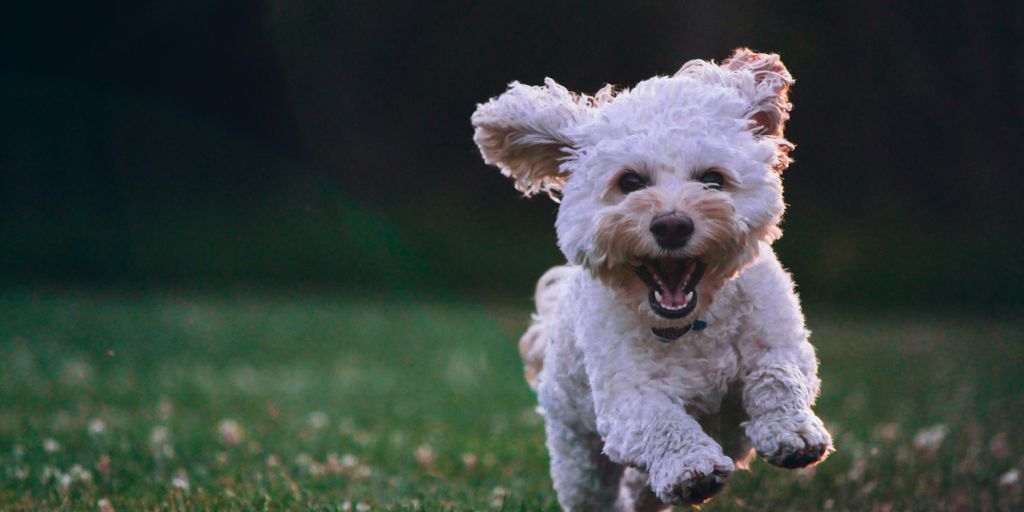
Rainy days are a great chance to work on some new tricks with your dog! It’s a fun way to keep them mentally stimulated when they can’t run around outside. Plus, it’s a good way to strengthen your bond. I’ve found that even just 15-20 minutes of training can make a big difference in my dog’s behavior and focus.
Starting with Basic Obedience Refinements
Before jumping into fancy tricks, make sure your dog has a solid grasp of the basics. We’re talking sit, stay, come, and down. Use rainy days to really refine these commands. For example, work on increasing the duration of a "stay" or practicing "come" from different rooms in the house. You can even add distractions, like having a family member walk by while your dog is holding a "stay". This helps them learn to focus even when things are happening around them. It’s all about building a strong foundation before moving on to more complex stuff. A good foundation in basic obedience is key.
Advancing to Fun and Impressive Tricks
Once your dog has mastered the basics, it’s time to get creative! There are tons of fun tricks you can teach them. Some ideas include:
- Shake: This is a classic and relatively easy trick to teach. Just hold a treat in your hand and wait for your dog to lift a paw. When they do, say "shake" and give them the treat.
- Play Dead: This one takes a little more patience, but it’s super impressive. Start by having your dog lie down. Then, gently roll them onto their side and say "play dead". Reward them when they stay still. Gradually increase the amount of time they have to stay still.
- Fetch Specific Toys: Teach your dog the names of their toys and then ask them to fetch a specific one. This is a great mental workout for them!
Remember to keep training sessions short and positive. End on a high note, even if your dog only makes a little bit of progress. The goal is to make learning fun for both of you.
Maintaining Consistency in Training Sessions
Consistency is key when it comes to training. Try to set aside a specific time each day for training, even if it’s just for a few minutes. This helps your dog understand that training is a regular part of their routine. Also, be consistent with your commands and rewards. Use the same words and hand signals every time, and always reward your dog for good behavior. If you’re not consistent, your dog will get confused, and it will be harder for them to learn. And don’t forget to celebrate those small wins! Positive reinforcement is the best way to encourage problem-solving skills and build a strong relationship with your furry friend.
Utilizing Interactive Puzzle Toys
Rainy days don’t have to mean a bored pup! Interactive puzzle toys are a fantastic way to keep your dog mentally stimulated when outdoor activities are limited. They challenge your dog’s problem-solving skills and provide an outlet for their energy. It’s like giving them a job to do, and a tasty reward for doing it well!
Selecting the Right Puzzle for Your Dog
Choosing the right puzzle is key. Start with something easy if your dog is new to puzzles. You don’t want them to get frustrated right away. Observe how your dog approaches the puzzle. Are they gentle and methodical, or do they try to brute-force their way to the treats? This will help you choose puzzles with the right level of difficulty. Consider these factors:
- Difficulty Level: Start easy and increase the challenge as your dog gets better.
- Material: Opt for durable, non-toxic materials that can withstand chewing.
- Type of Puzzle: There are many types, including treat-dispensing balls, sliding puzzles, and puzzles with hidden compartments. puzzle feeder toy Variety is the spice of life!
Encouraging Problem-Solving Skills
The goal is to encourage your dog to think, not just to get the treat as fast as possible. Here’s how to help them:
- Start Simple: Show your dog how the puzzle works initially. Let them see you place the treat and manipulate the puzzle.
- Offer Encouragement: Use positive reinforcement, like praise and gentle guidance, to keep them motivated.
- Be Patient: Don’t get frustrated if your dog doesn’t figure it out right away. It’s all part of the learning process.
Remember, the point of puzzle toys is to provide mental enrichment. If your dog is struggling, take a break and try again later. It should be a fun and rewarding experience for both of you.
Rotating Toys to Maintain Interest
Just like us, dogs can get bored with the same old thing. Keep things interesting by rotating the puzzle toys you offer. This keeps them engaged and prevents them from losing interest. Think of it like a toy library for your dog. You can also try these tips:
- Introduce New Puzzles Regularly: Add a new puzzle to the rotation every few weeks.
- Reintroduce Old Favorites: Bring back old puzzles after a break to reignite their interest.
- Combine Puzzles with Training: Use puzzle toys as a reward during training sessions.
Creative Indoor Playtime Activities
Rainy days don’t have to mean boring days for your dog! When the weather keeps you stuck inside, it’s a perfect opportunity to get creative and engage your furry friend in some fun and stimulating indoor playtime activities. It’s all about thinking outside the box and using what you have around the house to keep them entertained and happy.
Organizing a Game of Indoor Fetch
Who says fetch is only for the park? You can easily adapt this classic game for indoor play. The key is to use soft toys that won’t damage your furniture or walls. Think plush toys, low-bounce toys, or even rolled-up socks. Clear a safe path, and let the games begin! To add a little twist, try throwing the toy up the stairs for an extra burst of energy. Just be sure your dog is comfortable with stairs and doesn’t have any joint issues.
Playing Hide-and-Seek with Your Canine
Hide-and-seek isn’t just for kids; dogs love it too! Start by having someone hold your dog while you find a hiding spot. Begin with easy spots, like behind a door or couch, and call your dog’s name. When they find you, shower them with praise and maybe a treat. As they get better at the game, increase the difficulty by hiding in more challenging locations. This game is great for working on their recall skills and boosting their confidence.
Designing Engaging Play Sessions
To keep your dog truly engaged, think about creating mini-games or challenges during playtime. For example, you could set up a simple obstacle course using pillows, blankets, and chairs. Or, try a scavenger hunt by hiding treats around the room and letting your dog sniff them out. You can even teach them new tricks like "spin" or "crawl" during these sessions. The goal is to keep them mentally stimulated and physically active, even when you’re stuck indoors.
Remember to keep play sessions relatively short and sweet to prevent overstimulation. Watch your dog’s body language for signs of fatigue or disinterest, and adjust the activities accordingly. A little bit of fun goes a long way in keeping your dog happy and healthy on a rainy day.
Building a Stronger Bond Through Training
Rainy days don’t have to put a damper on your relationship with your dog. In fact, they can be a fantastic opportunity to deepen your bond through focused training and play. It’s all about shifting your perspective and seeing the indoors as a new training ground.
Fostering Trust and Communication
Training isn’t just about teaching commands; it’s about building a bridge of understanding between you and your furry friend. Positive reinforcement is key here. Think treats, praise, and maybe a favorite toy as rewards. When your dog understands what you want and is motivated to do it, trust naturally grows. Pay close attention to your dog’s body language during training. Are they engaged, or are they showing signs of stress? Adjust your approach accordingly. This two-way communication strengthens your connection.
Understanding Your Dog’s Learning Style
Just like people, dogs have different ways of learning. Some are quick studies, while others need a bit more patience and repetition. Observe how your dog responds to different training methods. Does your dog respond better to visual cues, or do they learn better with verbal commands? Tailoring your approach to their individual learning style will make training more effective and enjoyable for both of you. It might take some trial and error, but the effort is worth it. You can even use dog training tools to assist you.
Celebrating Small Victories Together
Every successful sit, stay, or paw shake is a reason to celebrate! Don’t wait for the big milestones to offer praise and rewards. Acknowledge and celebrate even the smallest steps forward. This positive reinforcement keeps your dog motivated and reinforces the idea that training is a fun and rewarding experience. Plus, sharing those moments of success strengthens the emotional connection between you. Remember, training should be a positive experience for both of you.
It’s easy to get caught up in the goal of teaching a specific trick or command, but remember that the process itself is just as important. Focus on creating a positive and supportive environment where your dog feels safe, confident, and loved. This will not only make training more effective but will also strengthen your bond in the long run.
Here’s a simple table to track progress:
| Trick/Command | Date Started | Progress | Notes |
|---|---|---|---|
| Sit | 6/1/2025 | Mastered | Responds consistently |
| Stay | 6/1/2025 | In Progress | Needs more practice with distractions |
| Fetch | 6/5/2025 | Beginner | Still learning to bring the toy back |
Preparing for Future Rainy Day Success
Okay, so you’ve survived another rainy day with your energetic pup. But let’s be real, there will be more! Being prepared can make all the difference. It’s not just about having activities ready; it’s about creating a routine that benefits both you and your dog. Let’s get ready for the next downpour!
Establishing a Consistent Indoor Routine
A predictable routine can significantly reduce anxiety and boredom in dogs. This doesn’t mean every day has to be exactly the same, but having a general structure helps. Think about setting specific times for indoor play, training sessions, and even rest periods. A good routine might look like this:
- Morning: Potty break, followed by a short training session (10-15 minutes).
- Afternoon: Interactive puzzle toy time, followed by a nap.
- Evening: Indoor fetch or hide-and-seek, followed by a relaxing chew toy.
By establishing a consistent indoor routine, you provide your dog with a sense of security and predictability, which can help minimize stress and boredom during inclement weather. This proactive approach not only makes rainy days more manageable but also strengthens the bond between you and your furry friend.
Gathering Essential Rainy Day Supplies
Having the right supplies on hand can make indoor training sessions way easier. Here’s a quick checklist:
- High-value treats (the stinkier, the better!).
- A variety of puzzle toys to keep things interesting.
- A designated training mat or area.
- Towels for muddy paws (because, let’s face it, they’ll still sneak outside!).
Adapting Training for Different Weather Conditions
Sometimes, it’s not just rain; it’s thunderstorms, snow, or extreme heat. You might need to adjust your training approach based on your dog’s comfort level. For example, some dogs are terrified of thunder, so you might focus on desensitization techniques during storms. If it’s super hot, keep training sessions short and sweet to avoid overheating. The key is to be flexible and observant of your dog’s needs. Remember, the goal is to have fun and strengthen your bond, no matter the weather!
To truly prepare your furry friend for anything, you need a solid plan. Don’t wait for problems to pop up; get ahead of the game! Learn how to build a strong bond and teach your dog good habits that will last a lifetime. Visit our website today to find the best dog training courses and start your journey to a well-behaved companion.
Conclusion
So, when the rain starts coming down, don’t just sit there feeling bummed out. There’s a whole bunch of stuff you can do inside with your dog. Next time it’s pouring, try one of these fun activities or games. Your dog will be happy and busy, and you’ll get to spend some good time together. It’s a win-win!
Frequently Asked Questions
Can older dogs learn new tricks?
Absolutely! Dogs of any age can learn new things. Older dogs might even focus better since they’re usually calmer than puppies.
Are indoor agility courses good for dogs?
Yes, indoor agility courses are great! You can use things from your house like pillows, blankets, or even low stools to make a fun obstacle course for your dog to go over, under, and around. Just make sure it’s safe.
What is nose work for dogs?
Nose work is when your dog uses its sense of smell to find things, like hidden treats. It’s really good for their brains and helps them use up energy.
What are puzzle toys for dogs?
Puzzle toys are toys where you hide treats inside, and your dog has to figure out how to get them out. They make your dog think and solve problems, which is great mental exercise.
What are some fun indoor games to play with my dog?
You can play indoor fetch, hide-and-seek, or even create a fun indoor obstacle course. The main idea is to keep them active and engaged even when you can’t go outside.
Why is indoor training important for dogs?
Training indoors helps your dog stay sharp and happy, especially when the weather is bad. It also builds a stronger bond between you and your dog because you’re spending quality time together.