
Dogs are more than just pets; they are part of our families. However, sometimes they show behaviors that can be confusing or concerning. Recognizing the signs that your dog might need training is crucial for a happy and healthy relationship. In this article, we’ll go over ten clear signs your dog needs training, helping you understand their behavior better and what steps you can take.
Key Takeaways
- Look out for excessive barking, which can indicate anxiety or boredom.
- Destructive behaviors like chewing or digging often signal a need for better training.
- If your dog struggles with basic commands, it might be time for professional help.
- Fearful reactions can be a sign of poor socialization or past trauma.
- Aggressive behavior is serious and should be addressed through training immediately.
1. Excessive Barking
Is your dog a regular chatterbox, barking at every little thing? A bit of barking is normal – it’s how dogs communicate. But when it becomes excessive, it’s a sign something’s up. It could be boredom, anxiety, or even just plain excitement.
Think about it: is your dog barking when left alone? That could be separation anxiety. Barking at every person or car that passes by? Maybe it’s territorial. Or perhaps they’re just bored and looking for something to do. Figuring out the why is the first step.
Here are a few things that might be causing the barking:
- Boredom: A dog with nothing to do will find something, and sometimes that’s barking.
- Anxiety: Being alone or scared can trigger barking.
- Territoriality: Protecting their space can lead to barking at anything that moves.
- Excitement: Sometimes, they’re just happy!
It’s important not to punish your dog for barking, especially if you don’t know why they’re doing it. Shouting at them will likely make things worse, not better. Instead, try to understand the root cause and address that.
So, what can you do? First, try to figure out what’s triggering the barking. Once you know that, you can start working on solutions. Maybe it’s more exercise, some mental stimulation with puzzle toys, or even consulting with a trainer. Remember, patience and consistency are key. If the barking stems from anxiety, consider seeking advice from a vet or a behaviorist. Sometimes, professional help is the best way to go. If the barking is aggression-related, then effective dog aggression training is needed.
2. Destructive Behavior
Is your dog turning your house into a demolition zone? Chewed furniture, shredded shoes, and excavated gardens are more than just frustrating – they’re signs that something isn’t right. Destructive behavior in dogs often points to underlying issues like boredom, anxiety, or pent-up energy. It’s not just about your stuff; it’s about your dog trying to communicate something.
- Boredom: A dog left alone for long periods without enough to do will find ways to entertain themselves, and your belongings might pay the price.
- Anxiety: Separation anxiety can manifest as destructive chewing or digging, as your dog tries to cope with your absence.
- Lack of Exercise: A dog with excess energy needs an outlet. If they’re not getting enough physical activity, they might take it out on your furniture.
Addressing destructive behavior requires understanding the root cause. Is it boredom? Try more walks or puzzle toys. Is it anxiety? Consider consulting a vet or behaviorist. Is it simply excess energy? Increase their exercise. Identifying the trigger is the first step toward a solution.
It’s important to differentiate between normal puppy behavior and a genuine problem. Puppies explore the world with their mouths, and some chewing is expected. However, if the destruction is excessive or continues into adulthood, it’s time to take action. You can also try to prevent unwanted dog behaviors by keeping items out of reach.
3. Failure to Obey Fundamental Commands
It can be super frustrating when your dog seems to ignore simple commands. Like, you ask them to ‘sit,’ ‘stay,’ or ‘come,’ and they just… don’t. This isn’t always about stubbornness; it can point to a real gap in their training.
- First, think about consistency. Have you been clear and consistent with your commands? Dogs thrive on routine, and if the rules keep changing, they’ll get confused. Maybe you should check out some dog training books to help you out.
- Second, consider reinforcement. Are you rewarding good behavior? If not, your dog might not see the point in following your instructions. Positive reinforcement is key.
- Third, think about distractions. Is your dog able to focus on you, or are they too busy sniffing around or watching squirrels? Sometimes, it’s about finding a quiet place to train.
Sometimes, a dog’s failure to obey isn’t about training at all. Anxiety or fear can also play a role. If your dog is stressed or overstimulated, they might not be able to process your commands, no matter how well-trained they are.
If you’re struggling with basic obedience, it might be time to consider professional help. A trainer can help you identify the root cause of the problem and develop a plan to address it. They can also teach you how to communicate more effectively with your dog. Remember, patience is key. It takes time and effort to train a dog, but the rewards are well worth it. Maybe you should look into some essential dog training commands.
4. Fearful Reactions
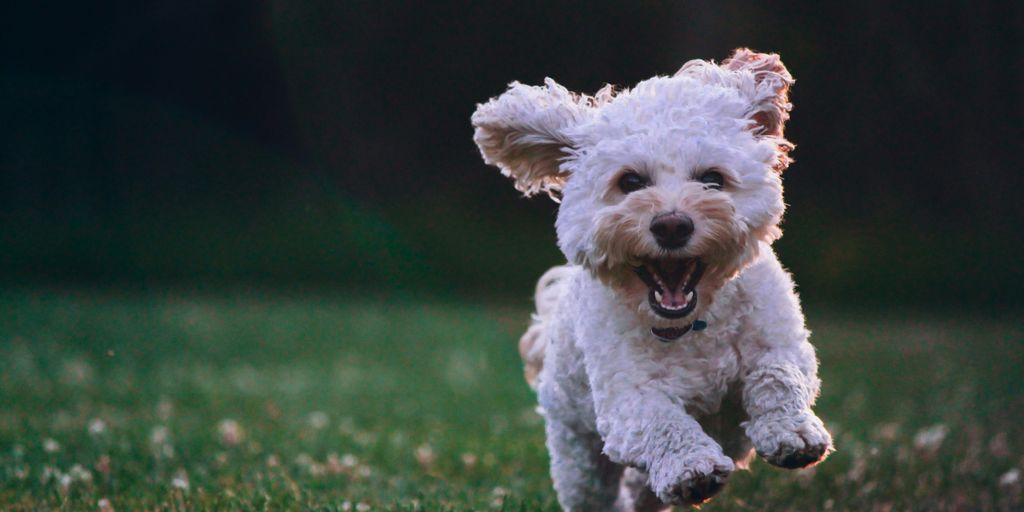
It’s tough to see your dog scared. Sometimes, dogs react fearfully to things that seem normal to us. Excessive fear can really limit their ability to enjoy life. It’s more than just a little shyness; it’s when everyday things cause extreme anxiety.
Is your dog overly scared of common situations or sounds? Maybe they freak out at the vet, or hide when they hear fireworks. These reactions can be a sign that they need some help to feel more secure. It’s important to address these fears, so they don’t turn into bigger problems. You might want to consider dog training to help them cope with their anxieties.
Here are some common signs of fearful reactions:
- Trembling or shaking
- Hiding or trying to escape
- Excessive barking or whining
- Panting or drooling when there’s no physical exertion
- Tucked tail or flattened ears
A fearful dog might also show avoidance behaviors. They might try to run away from new people, or refuse to go outside. These behaviors are their way of trying to protect themselves from whatever they perceive as a threat. It’s our job to help them feel safe and secure.
It’s not always easy to figure out what’s causing your dog’s fear. Sometimes, it’s a specific event, like a loud noise. Other times, it’s a more general anxiety. Either way, it’s important to be patient and understanding. With the right approach, you can help your dog overcome their fears and live a happier, more confident life.
5. Aggressive Behavior
Aggression in dogs is a serious issue, and it’s something you shouldn’t ignore. It can manifest in different ways, from growling and snapping to lunging and even biting. It’s important to understand that any dog, regardless of breed or background, has the potential to become aggressive. Sometimes, it stems from fear, insecurity, or past trauma. Other times, it could be due to a medical issue, so a vet visit is a good first step.
Trying to handle aggression on your own can be risky, especially if you’re not experienced. It’s best to seek help from a qualified professional who can identify the root cause and develop a safe and effective training plan.
If your dog is showing signs of aggression, like growling aggressively, it’s time to take action. Ignoring it won’t make it go away, and it could actually make things worse. A professional can help you understand what’s triggering the behavior and teach you how to manage it safely. They might use techniques like positive reinforcement and desensitization to help your dog feel more comfortable and less reactive. Remember, consistency and patience are key. It can take time and effort, but with the right approach, you can help your dog overcome their aggression and live a happier, safer life.
6. Hyperactivity
Is your dog a furry little tornado, constantly zipping around and seemingly unable to settle down? It’s one thing for a puppy to have boundless energy, but if your adult dog is perpetually hyperactive, it could be a sign that they need training. Hyperactivity in dogs isn’t just about having a lot of energy; it’s about an inability to regulate that energy.
Think of it this way:
- Constant Motion: Does your dog pace, fidget, or struggle to stay still, even when you’re trying to relax?
- Excessive Excitement: Does your dog greet visitors by jumping, barking uncontrollably, and generally acting like they’ve had five cups of coffee?
- Difficulty Focusing: Can your dog barely pay attention during training sessions, or are they easily distracted by every little thing?
Hyperactivity can stem from a variety of factors, including genetics, lack of exercise, or even underlying medical conditions. It’s important to rule out any health issues with your vet first. If your dog is healthy, then training can help them learn to manage their energy levels and focus their attention.
If your dog’s hyperactivity is making life difficult for both of you, it’s time to consider professional help. A qualified trainer can teach you techniques to calm your dog, redirect their energy, and establish clear boundaries. With patience and consistency, you can help your dog learn to be a more relaxed and well-behaved companion. Consider looking into dog training programs to help manage this behavior.
7. Lack of Socialization
Is your dog a bit of a loner? Do they seem nervous or overly excited around new people or other dogs? It might be a sign they didn’t get enough socialization when they were younger. It’s a pretty common issue, especially if they weren’t exposed to different situations and environments as puppies. Proper socialization is key for a well-adjusted dog.
Think of it like this: if you never met anyone new, you might be a little awkward when you finally do! Dogs are the same way. They need to learn how to interact appropriately, and that comes from experience. Without it, they might react in ways that seem strange or even a little scary.
Here’s what can happen if a dog isn’t properly socialized:
- They might become fearful of new people, animals, or places.
- They could develop anxiety, leading to stress and other behavioral problems.
- They might bark, growl, or even bite out of fear or defensiveness.
- They may struggle with changes in routine or new situations.
It’s not just about playing nice. Socialization helps dogs build confidence and learn how to cope with the world around them. A well-socialized dog is generally happier and easier to manage.
If you think your dog might be lacking in the socialization department, don’t worry! It’s not too late to start working on it. Gradual exposure to new experiences, positive reinforcement, and maybe even some professional training can make a big difference. It’s all about helping them feel comfortable and confident in different situations. You can look into puppy behavior training to help them become more confident in social settings.
8. Incessant Whining
Okay, so your dog is a whining machine? It can be super annoying, I get it. It’s like they’re constantly complaining about something, but you have no idea what. But before you lose your mind, let’s figure out why they’re doing it.
Sometimes, it’s just for attention. Other times, it could be a sign of something deeper, like anxiety or even pain. Ignoring it won’t make it go away, trust me, I’ve tried. You need to play detective and figure out the root cause.
Whining is a form of communication for dogs. It’s their way of telling you something is up, whether it’s boredom, discomfort, or a need for something. Understanding the context of the whining is key to addressing it effectively.
Here are a few things to consider:
- Is it constant? Or just at certain times?
- What’s happening right before the whining starts?
- Have there been any changes in their routine or environment?
- Could they be in pain?
If you can answer these questions, you’re already one step closer to solving the mystery. If the whining is excessive, it might be time to consider professional dog training. A trainer can help you identify the triggers and develop a plan to manage the behavior.
9. Jumping on People
Okay, so your dog is super friendly and loves people. That’s awesome! But when that love turns into jumping all over guests, it’s time to step in. Jumping is often a dog’s way of seeking attention, but it can be annoying, scary, or even dangerous, especially for kids or older adults. It’s important to teach your dog that four on the floor is the way to go.
Imagine you’re carrying a hot cup of coffee, and a big, excited dog jumps on you. Not a fun scenario, right? Training helps prevent accidents and makes everyone more comfortable around your furry friend.
Here’s what makes jumping a problem:
- It can cause unintentional injuries, especially with larger dogs.
- It can be frightening or unpleasant for people who aren’t dog lovers.
- It teaches the dog that jumping is an acceptable way to greet people, which isn’t always the case.
So, how do you tackle this? Consistency is key. Everyone in the family needs to be on board with the same training methods. When your dog jumps, avoid eye contact, turn away, and don’t give them any attention until all four paws are on the ground. Then, reward them with praise or a treat. You can also teach them an alternative behavior, like sitting, to greet people. This positive dog behavior training can be demonstrated through positive reinforcement so that they understand that four feet on the ground or sitting is the proper way to greet everyone.
10. Resource Guarding
Resource guarding is when a dog gets overly protective of things they consider valuable. This could be food, toys, their bed, or even a person. It’s more than just being possessive; it’s about showing signs of aggression or anxiety when someone approaches their precious items. It can range from a subtle growl to snapping or biting.
Resource guarding is a natural instinct for dogs, but it can become a problem if it leads to aggression, especially in homes with kids or other pets. It’s important to address it early to prevent potential issues.
Here’s what you might see:
- Growling or snapping when someone gets near their food bowl.
- Becoming stiff or tense when someone approaches their toys.
- Refusing to give up an item, even with gentle encouragement.
- Showing their teeth or lunging if someone tries to take something away.
It’s important to remember that any dog can exhibit this behavior, regardless of breed or size. If you notice these signs, it’s time to seek professional help. A trainer can help you implement strategies to manage resource guarding and create a safer environment for everyone.
Resource guarding is when a dog becomes protective over certain items, like food or toys. This behavior can lead to problems if not managed properly. To help your dog feel more comfortable, it’s important to train them to share and not feel threatened. If you want to learn more about how to handle resource guarding and improve your dog’s behavior, visit our website for helpful tips and training courses!
Wrapping It Up: Time to Train Your Dog
So, there you have it. If you notice any of these signs in your dog, it might be time to consider some training. Dogs communicate in their own way, and sometimes that means they need a little help to behave better. Getting professional training can make a big difference, not just for your dog but for your relationship with them too. Trainers know how to tackle specific issues and can tailor their approach to fit your dog’s needs. Whether your pup is a rambunctious puppy or a stubborn adult, there’s a program out there that can help. Don’t wait too long—addressing these behaviors early can save you a lot of headaches down the road.
Frequently Asked Questions
What are some signs that my dog needs training?
If your dog is barking too much, being destructive, or not following basic commands, these could be signs they need training.
Why is my dog barking excessively?
Dogs bark to communicate, but if they bark too much, it might mean they are anxious, bored, or need more training.
How can I tell if my dog is aggressive?
Signs of aggression can include growling, snapping, or biting. If your dog shows these behaviors, it’s important to seek help.
What does it mean if my dog is afraid of new things?
If your dog is scared of new people, places, or noises, it may not be properly socialized. Training can help them feel more comfortable.
Is jumping on people a bad behavior?
Yes, jumping can be a sign of excitement or a lack of training. Teaching your dog to greet people calmly is important.
What should I do if my dog guards their food or toys?
Resource guarding can be a serious issue. It’s best to consult a professional trainer to address this behavior.