
Having a dog that’s always on the go can be a real challenge, right? It’s easy to think they just have too much energy, and the answer is to run them ragged. But sometimes, what looks like hyperactivity is actually something else entirely: anxiety or just being over-the-top excited. Learning how to train a hyperactive dog means looking beyond just physical exercise. This article will walk you through some practical ways to help your dog find their calm, so you both can enjoy a more peaceful life together.
Key Takeaways
- Understand the difference between a dog that’s just energetic and one that’s genuinely over-excited or anxious.
- Don’t just try to wear out a hyper dog; too much intense exercise can sometimes make things worse.
- Start by observing your dog and making small changes to their daily routine and environment.
- Short, fun training sessions are much more effective than long, boring ones for high-energy dogs.
- Use mental games and puzzle toys to give your dog’s brain a workout, which can be just as tiring as physical activity.
Understanding Hyperactivity Versus Hyperarousal
Defining Hyperactivity in Dogs
So, what does it really mean when we call a dog "hyperactive"? It’s easy to throw the term around, but it’s important to get specific. Generally, hyperactivity refers to a dog that’s abnormally or extremely active. They might seem to have endless energy, always on the go, and struggling to settle down. But it’s more than just being energetic. It’s about the intensity and frequency of the activity. Think of it as a baseline level of high energy that’s consistently present. It’s not just a temporary burst of excitement; it’s their default mode. It’s important to note that genetics and breed play a role, but early training and meeting a puppy’s needs are also important.
Recognizing Hyperarousal Behaviors
Hyperarousal is a different beast altogether. It’s a physiologically aroused state, kind of like a constant "fight or flight" response. A hyperaroused dog is in a heightened state of alert, reacting intensely to stimuli. This isn’t just about having energy; it’s about being unable to calm down, even when there’s no obvious threat. They might get overexcited when playing, greeting people, or even just seeing other dogs from a distance. The key difference? A hyperaroused dog has difficulty self-soothing. They’re stuck in a cycle of overstimulation. It’s like their internal volume control is broken, and everything is turned up to eleven. It’s important to teach dogs to settle themselves, instead of trying to physically exhaust them. active participation is key to success.
The Link Between Anxiety and Overexcitement
Here’s where things get interesting: anxiety and overexcitement are often intertwined. A dog in a constant state of hyperarousal is essentially living with chronic stress. This can lead to anxiety, which, in turn, can fuel more hyperarousal. It’s a vicious cycle. Think about it: if a dog is always on edge, anticipating potential threats or excitement, they’re never truly relaxed. This constant state of alert can manifest as excessive barking, destructive behavior, or even aggression. Addressing the underlying anxiety is often key to managing both hyperactivity and hyperarousal. It’s about creating a safe and secure environment where the dog feels comfortable enough to relax and calm reassurance is always available.
Understanding the difference between hyperactivity and hyperarousal is the first step in helping your dog. It allows you to tailor your approach to address the specific underlying issues, whether it’s excess energy, anxiety, or a combination of both. Recognizing these nuances can make all the difference in your training efforts.
Rethinking Traditional Exercise Approaches
Why Tiring Out a Hyperactive Dog Can Backfire
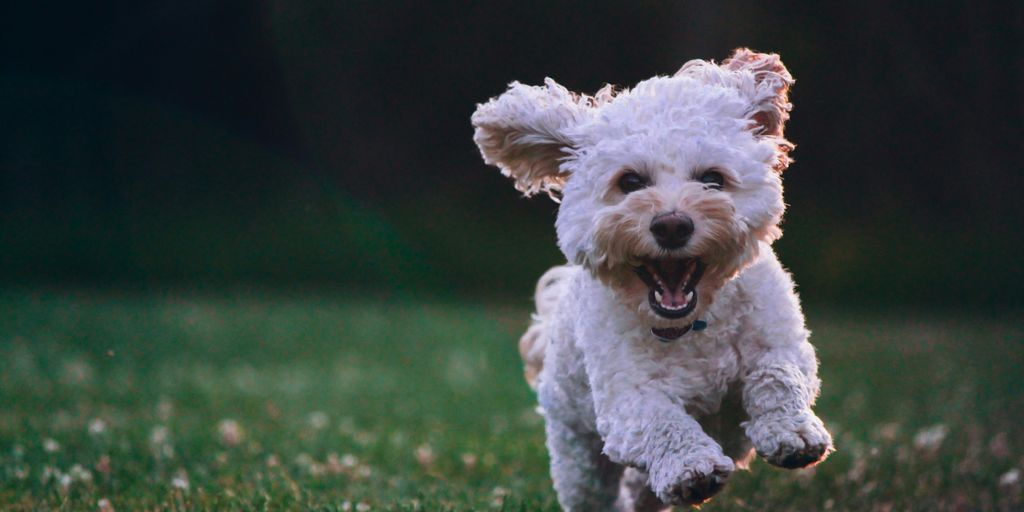
Okay, so you’ve got a dog that’s bouncing off the walls. Your first thought might be, "I just need to tire them out!" Long walks, intense fetch sessions, hours at the dog park… But sometimes, that can actually make things worse. It’s like they build up a tolerance. You run them ragged one day, and the next, they’re even more amped up. It’s a tricky situation. Instead of helping, you might be fueling the fire. Think of it like this: you wouldn’t give a kid a ton of sugar and then expect them to sit still, right?
The Impact of Adrenaline and Cortisol Levels
When your dog gets super excited during intense exercise, their body floods with adrenaline and cortisol. Adrenaline is great for short bursts of energy, but cortisol? That’s the stress hormone. Constantly triggering these hormones can lead to a state of chronic stress and hyperarousal. It’s like they’re always on edge, waiting for the next big thing. This can make it harder for them to calm down and relax, even when they’re not actively exercising. It’s a vicious cycle. It’s important to consider the long-term effects of these hormones on your dog’s overall well-being.
Prioritizing Calm Over Physical Exhaustion
So, what’s the alternative? Focus on activities that promote calmness and mental stimulation, rather than just physical exhaustion. Think about it: a tired dog isn’t necessarily a calm dog. You want a dog that knows how to settle down and relax. This might involve shorter, more frequent walks with plenty of sniffing opportunities, puzzle toys, or even just quiet time with you. The goal is to teach your dog how to regulate their energy levels and find contentment in stillness. It’s about quality over quantity when it comes to exercise. To stop a dog from jumping, ensure they are well-exercised to burn off excess energy.
It’s not about eliminating exercise altogether, but about shifting the focus. Instead of trying to drain their energy completely, aim to teach them how to manage it. This approach can lead to a much happier and well-adjusted dog in the long run.
Here are some ideas:
- Shorter, more frequent walks
- Scent work and puzzle toys
- Obedience training in a calm environment
Initial Steps for Calming a Hyperactive Dog
Observing Your Dog’s Baseline Behavior
Before you jump into training, take some time to simply watch your dog. What gets them riled up? How do they react to different stimuli? Can they calm themselves down, or do they stay in a constant state of high alert? Understanding your dog’s individual triggers and responses is the first step toward helping them achieve a calmer state. I spent the first few days just letting Indy, a hyperactive dog I was working with, adjust to his new surroundings while I observed him. It was really helpful to see what made him excited and how he tried to calm himself.
Adjusting Diet for Improved Well-being
Diet can play a surprisingly big role in your dog’s behavior. Some commercial dog foods are loaded with additives or ingredients that can contribute to hyperactivity. Consider switching to a higher-quality food with fewer artificial ingredients, or even exploring a raw food diet.
A change in diet can sometimes make a noticeable difference in a dog’s overall energy levels and anxiety. It’s worth exploring, especially if your dog has digestive issues or sensitivities.
When Indy came to me, he was on a high-end commercial diet, and his stools were almost always too soft – an indicator of stress. I switched him over to a home-prepared raw-food diet and monitored his stool. Within about two weeks, his stool had firmed up nicely.
Creating a Structured and Predictable Environment
Dogs, especially hyperactive ones, thrive on routine. A predictable schedule can help reduce anxiety and create a sense of security. This means consistent feeding times, regular walks, and designated rest periods. Here are some things to consider:
- Establish a daily routine: Set specific times for meals, walks, playtime, and rest. Consistent schedules can help regulate your dog’s internal clock and reduce anxiety.
- Create a safe space: Make sure your dog has a quiet, comfortable place where they can retreat when they feel overwhelmed. This could be a crate, a bed, or even just a corner of a room.
- Minimize surprises: Avoid sudden changes to your dog’s environment or routine, as these can trigger anxiety and hyperactivity.
Implementing Effective Training Sessions
Short, Focused Training for Better Retention
Okay, so you’re ready to train your hyperactive dog. Great! But here’s the thing: long, drawn-out sessions? Forget about it. Their attention span is, shall we say, limited. Keep it short and sweet. Think 5-10 minutes, tops. You want to end the session while they’re still engaged, not when they’re completely checked out and sniffing the floor.
- Start with easy commands they already know.
- Use high-value treats to keep them motivated.
- End on a positive note, even if it’s just a simple "sit".
I tried doing a 30-minute training session once. It was a disaster. By minute 15, my dog was more interested in chasing flies than listening to me. Lesson learned: short and sweet is the way to go.
Incorporating Obedience and Trick Training
Obedience training is a must. Sit, stay, come – the basics. But don’t stop there! Trick training is awesome for mental stimulation. It’s like giving their brain a workout. Plus, it’s fun! Start with simple tricks like "shake" or "roll over" and gradually increase the difficulty. Remember to use positive conditioning and reward them generously when they get it right.
| Training Type | Benefit |
|---|---|
| Obedience | Establishes basic control, improves focus |
| Trick | Mental stimulation, strengthens bond |
Introducing Agility for Mental Stimulation
Agility training? Now we’re talking! It’s not just about physical exercise; it’s a huge mental challenge. Weaving through poles, jumping over hurdles, running through tunnels – it requires focus, coordination, and a whole lot of energy. If you’re new to agility, start with the basics. You can even create a mini-agility course in your backyard using household items. Just make sure it’s safe and supervised. This is a great way to burn off excess energy and keep them engaged.
Here’s a simple agility course you can try:
- A low jump (a broomstick supported by chairs).
- A tunnel (use a kids’ play tunnel or create one with blankets).
- Weave poles (use cones or even empty bottles).
Enrichment Activities for Mental Engagement
It’s easy to focus on physical exercise when you’ve got a hyperactive dog, but don’t forget their brains need a workout too! Think of it like this: a bored dog is often a destructive dog. Mental stimulation can be just as tiring as a long run, and it helps them learn to focus and control their energy. Let’s look at some fun ways to keep your dog’s mind busy.
Utilizing Scent Games for Cognitive Work
Scent games are awesome because they tap into a dog’s natural instincts. It’s like giving them a job to do, and they usually love it. Start simple. Hide treats around a room and let your dog sniff them out. As they get better, you can make it harder by hiding the treats in more challenging spots or using different scents. You can even buy scent-specific training kits. It’s amazing how much energy they expend just using their noses!
Introducing Food Puzzle Toys for Sustained Focus
Food puzzles are a lifesaver. Instead of just gulping down their food, these toys make dogs work for it. There are tons of different kinds, from simple rolling toys that dispense kibble to more complex puzzles that require multiple steps to solve.
Here’s a quick guide to choosing the right puzzle:
- Level 1: Basic puzzles for beginners.
- Level 2: Intermediate puzzles with more steps.
- Level 3: Advanced puzzles for experienced dogs.
It keeps them busy and prevents them from eating too fast, which is a bonus. Plus, the satisfaction of solving the puzzle can really boost their confidence. For dogs that bark excessively, consider using puzzle toys to keep them engaged and quiet.
Balancing Play with Calm Activities
It’s not all about high-energy games. Teaching your dog to settle down is just as important. After a play session, encourage them to relax with you. Maybe give them a chew toy or just sit quietly and pet them. The goal is to teach them that being calm is also rewarding.
Creating a routine that includes both active play and quiet time can make a big difference in managing hyperactivity. It helps them learn to regulate their energy levels and understand when it’s time to be active and when it’s time to chill out. This balance is key to a happier, more well-adjusted dog.
Addressing Specific Behavioral Challenges
It’s not unusual for hyperactive dogs to show other behavioral issues. Let’s look at some common problems and how to deal with them.
Managing Leash Reactivity and Dog Aggression
Leash reactivity can be a real pain. Your dog might bark, lunge, or act aggressively when they see other dogs while on a leash. Dog aggression is a more serious issue, where your dog displays aggressive behaviors even without a leash. Here’s what you can do:
- Identify triggers: What exactly sets your dog off? Is it other dogs, people, cars, or something else? Knowing the trigger is half the battle. anxiety triggers
- Desensitization and counter-conditioning: Gradually expose your dog to the trigger at a distance where they don’t react. Reward them for staying calm. Over time, you can slowly decrease the distance.
- Positive reinforcement: Use treats, praise, or toys to reward calm behavior around triggers. Avoid punishment, as it can make the problem worse.
Remember, consistency is key. It takes time and patience to change these behaviors. If the problem is severe, consider getting help from a professional dog trainer or behaviorist.
Strategies for Reducing Attention-Seeking Behaviors
Hyperactive dogs often crave attention, and they’ll do anything to get it – barking, jumping, pawing, you name it. Here’s how to handle it:
- Ignore unwanted behaviors: The hardest part, but crucial. If your dog jumps on you, turn away and don’t make eye contact. Only give them attention when they’re calm.
- Teach an alternative behavior: Train your dog to do something else, like sit or lie down, when they want attention. Reward them for doing that instead.
- Provide plenty of mental and physical stimulation: A tired dog is a good dog. Make sure they’re getting enough exercise and mental enrichment to reduce boredom and pent-up energy.
Building Confidence Through Positive Reinforcement
Sometimes, hyperactivity is linked to a lack of confidence. A fearful dog might act out as a way to cope. Positive reinforcement can work wonders for building confidence.
- Start with easy tasks: Set your dog up for success by starting with simple commands they already know. Reward them generously for getting it right.
- Gradually increase the difficulty: As your dog gains confidence, slowly introduce more challenging tasks or situations. But don’t push them too hard, too fast.
- Expose them to new experiences: Introduce your dog to new people, places, and things in a controlled and positive way. This can help them become more comfortable and confident in different environments.
Here’s a simple table to illustrate how to approach confidence-building:
| Step | Action | Reward |
|---|---|---|
| 1 | Sit command in a quiet room | Treat and praise |
| 2 | Sit command in a park with few distractions | High-value treat and enthusiastic praise |
| 3 | Sit command near a busy street | Jackpot reward and lots of praise |
Long-Term Strategies for Lasting Calm
Teaching Self-Regulation and Settling Skills
Okay, so you’ve managed to get your hyperactive dog to chill out sometimes. Now what? The real trick is making that calm behavior stick around. That’s where self-regulation comes in. It’s basically teaching your dog to manage their own energy levels and emotions.
Settling skills are a big part of this. Think of it as teaching your dog an "off switch." Start with simple commands like "settle" or "relax" when they’re already relatively calm. Reward them for staying in that relaxed state, gradually increasing the duration. It’s not a quick fix, but it’s worth it.
Preventing Relapses into Hyperarousal
So, you’ve put in the work, and your dog is finally showing some consistent calm behavior. Awesome! But don’t get complacent. Relapses can happen, especially if you’re not careful about managing their environment and triggers. The key is to be proactive.
Here’s what I’ve found helpful:
- Identify Triggers: What sets your dog off? Is it the doorbell, other dogs, or certain people? Once you know the triggers, you can start working on desensitization and counterconditioning.
- Manage the Environment: Minimize exposure to those triggers as much as possible. If the doorbell is a problem, maybe disconnect it temporarily or use a different entrance.
- Consistent Training: Keep up with those training sessions, even when your dog is doing well. It helps reinforce those calm behaviors and keeps them mentally engaged.
It’s like maintaining a car. You can’t just fix it once and expect it to run perfectly forever. You need to keep up with regular maintenance to prevent problems down the road.
Fostering a Calm and Secure Home Environment
Your home should be your dog’s safe haven, a place where they can truly relax and unwind. If your home is chaotic and unpredictable, it’s going to be tough for your dog to maintain a calm state. Think about it from their perspective: if you were constantly on edge, wouldn’t you have trouble relaxing? Creating a peaceful environment is more than just aesthetics; it’s about providing a sense of security and predictability.
Here are some things you can do:
- Establish a Routine: Dogs thrive on routine. Consistent feeding times, walks, and playtime can help reduce anxiety and create a sense of security.
- Create a Safe Space: Make sure your dog has a designated area where they can go to feel safe and secure. This could be a crate, a bed, or even just a quiet corner of the room.
- Minimize Stressors: Reduce noise levels, avoid sudden movements, and create a calm atmosphere. Consider using calming aids like gentle, calming music or pheromone diffusers.
| Element | Description and consistent training are crucial for long-term success, fostering a harmonious relationship and a serene home.
Want to keep your dog calm and happy for a long time? It’s all about smart training. Our website has lots of great tips and tricks to help you teach your dog good habits that stick. Find out how to make your dog a well-behaved friend by checking out our best dog training courses today!
Wrapping Things Up
So, there you have it. Getting a hyper dog to chill out isn’t always easy, but it’s totally doable. It takes some patience, sure, and you might need to try a few different things. But when you stick with it, you’ll start seeing real changes. A calm dog means a happier home for everyone. Just keep at it, and you’ll get there.
Frequently Asked Questions
What’s the difference between a hyperactive dog and one with hyperarousal?
Hyperactivity means a dog is super active, maybe more than normal. Hyperarousal is when a dog gets extremely excited or stressed, like they’re always ready for a fight or to run away, and they can’t calm down easily. It’s a deeper level of being over-the-top.
Why isn’t lots of exercise always the best way to calm a hyper dog?
Trying to wear out a hyperactive dog with endless running or games can actually make them more stressed. Their bodies get flooded with stress hormones, which can make them even more wired and unable to relax. It’s better to focus on teaching them to be calm.
What are the first things I should do to help my dog calm down?
Start by watching your dog closely to understand what makes them excited or calm. Look at their food, too, as diet can affect their mood. Then, create a daily routine that’s easy to predict, so they know what to expect.
How should I do training sessions with my hyperactive dog?
Keep training times short and fun, maybe just five minutes at a time. Mix in simple obedience lessons and fun tricks. You can also try agility games, which are like obstacle courses for dogs, to help them use their brains.
What kind of activities can help my dog use their brain and calm down?
Give your dog jobs that make them think, like hiding treats for them to find with their nose. Food puzzle toys are great because they keep dogs busy and focused. Remember to balance active play with quiet time to help them learn to relax.
What are some long-term ways to keep my dog calm?
Teach your dog how to settle down on their own, like lying calmly on a mat. Keep practicing these calming skills so they don’t go back to being overly excited. Make your home a peaceful place where your dog feels safe and relaxed.