
If you’re on the hunt for a dog that’s easy to train and eager to please, you’re in the right place. Some dog breeds are known for their trainability and obedience, making them great companions for families and individuals alike. In this article, we’ll explore the best dog breeds for training, highlighting their unique traits and why they excel in obedience. Whether you’re a first-time dog owner or looking to add another furry friend to your home, these breeds are sure to impress with their willingness to learn and adapt.
Key Takeaways
- Border Collies are often considered the smartest dog breed, excelling in obedience and agility training.
- Labrador Retrievers are friendly and eager to please, making them one of the easiest breeds to train.
- Golden Retrievers are loyal and patient, responding well to positive reinforcement methods.
- German Shepherds are not only protective but also highly trainable, thriving with consistent training.
- Poodles are intelligent and versatile, making them great candidates for various training activities.
1. Border Collie
Border Collies are often called the Einsteins of the dog world, and honestly, it’s not hard to see why. They’re incredibly smart and eager to learn, which makes them a dream to train. But, fair warning, that high intelligence also means they need a lot of mental stimulation to keep them from getting bored and destructive. Think of them as furry little geniuses who need a job to do, or they’ll find one themselves – and you might not like what they come up with.
They’re not just smart; they’re also incredibly energetic. Bred to herd sheep, they have stamina for days and need plenty of exercise to stay happy and healthy. This isn’t a breed that’s content to lounge around all day. They want to run, play, and work. If you’re an active person who loves the outdoors, a Border Collie might just be your perfect match. They excel in agility, obedience, and pretty much any dog sport you can think of. They also have an unmatched understanding of their humans.
Border Collies are known for their intense focus and drive. They thrive on having a job to do and are happiest when they’re working alongside their owners. This makes them incredibly trainable, but it also means they need a consistent and structured environment to thrive.
Here’s a few things to keep in mind if you’re thinking about getting a Border Collie:
- They need a lot of exercise.
- They need a lot of mental stimulation.
- They can be prone to separation anxiety if left alone for too long.
Border Collies are truly amazing dogs, but they’re not for everyone. If you’re prepared to meet their needs, you’ll have a loyal, intelligent, and incredibly rewarding companion by your side. They are one of the most trainable dog breeds.
2. Labrador Retriever
Labrador Retrievers are consistently a top choice for families, and it’s easy to see why. They’re known for their friendly and outgoing personalities, making them excellent companions for people of all ages. Their history as service dogs also makes them great in general obedience.
Labradors are eager to please and respond well to training, especially when positive reinforcement is involved. Consistency is key to helping them grow into well-mannered dogs. They thrive on activities like fetch and swimming, so incorporating these into training sessions can be very effective. Just remember to balance exercise with food, as Labradors can be prone to gaining weight.
Labradors are natural people-pleasers and love to be active with their humans. They excel in activities like fetch and swimming, making training fun and engaging. Their eagerness to work and their friendly nature make them ideal companions for families and individuals alike.
Here’s a quick look at some key stats:
| Characteristic | Female | Male |
|---|---|---|
| Height | 55–60 cm | 57–62 cm |
| Weight | 29-32 kg | 29-36 kg |
| Lifespan | 10–12 years | 10–12 years |
Labradors are truly versatile dogs, excelling in various roles from family pets to service animals. If you’re looking for a trainable and loving companion, a Labrador Retriever might be the perfect fit. Remember to check out these dog training tips to help you effectively train your dog.
3. Golden Retriever
Golden Retrievers? Oh, they’re the sweethearts of the dog world. Everyone knows them! They’re often a bit goofy, but underneath that goofy exterior lies a heart of gold (pun intended!). They’re super loyal and always trying to please their humans.
Their friendly and patient nature makes them awesome candidates for all sorts of training. We’re talking basic obedience, sure, but also more advanced stuff like search and rescue or even therapy work. They just seem to have that innate ability to connect with people and want to help.
Golden Retrievers respond really well to positive reinforcement. Think treats, praise, and fun play sessions. Consistency is key with these guys. You gotta keep up with the training to really bring out their best behavior. It’s worth it, though! A well-trained Golden is a joy to be around. If you’re thinking about getting into advanced training or service activities, it’s a good idea to look into dog training strategies to make sure your furry friend is protected against accidents.
I remember when my neighbor, Sarah, got a Golden puppy. At first, he was a total handful – chewing everything, jumping on guests, the whole nine yards. But Sarah was so patient and consistent with his training, and now he’s the most well-behaved dog in the neighborhood. It just goes to show what a little love and training can do!
Here’s a quick look at what you can expect from a Golden Retriever:
- Average Height: Female (20-22 inches), Male (22-24 inches)
- Average Weight: Female (55-70 lbs), Male (65-75 lbs)
- Average Lifespan: 10-12 years
- Common Characteristics: Intelligent, friendly, loyal
4. German Shepherd
Is it any surprise that German Shepherds made the list? Quick learners and highly versatile, German Shepherds are often used in police and military roles because they are easy to train. With proper socialization and everyday skill training, these intelligent and courageous dogs can adapt easily to life as family companions.
As trainable as they’re known to be, German Shepherds require the right kind of training to succeed. Be firm yet practical with these pups. They don’t tend to respond well to punishment, and their drive to work for reward (even if it’s just approval from their human) is much stronger than their desire to avoid negativity. Establishing a strong, positive bond with your German Shepherd is key here.
I remember when we got our German Shepherd, Max. He was a handful as a puppy, always nipping and trying to herd us. But with consistent training and lots of positive reinforcement, he turned into the most loyal and well-behaved dog I’ve ever known. It just goes to show how important the right training approach is with this breed.
5. Poodle
Poodles are more than just fluffy show dogs; they’re incredibly smart and eager to please, making them fantastic candidates for training. Whether it’s a Standard, Miniature, or Toy Poodle, you’ll find they pick up commands quickly and enjoy the mental stimulation that comes with learning new things. I remember when my neighbor, Sarah, got a Miniature Poodle named Coco. Sarah was a first-time dog owner and was nervous about training, but Coco surprised everyone. Within weeks, Coco had mastered basic obedience and was even learning some fun tricks. It was amazing to see how quickly Coco learned and how much she enjoyed the training sessions.
- Intelligent and quick learners
- Eager to please their owners
- Excel in obedience and agility
Poodles thrive on positive reinforcement. Treats, praise, and play are all great ways to motivate them during training. Consistency is key, so make sure everyone in the family is using the same commands and techniques.
Poodles are also known for their versatility. They can excel in various dog sports, such as agility, obedience, and dock diving. Their athleticism and intelligence make them well-suited for these activities. Plus, they often make excellent service dogs, adapting well to different situations and tasks. They are truly amazing dogs, and I can’t recommend them enough for anyone looking for a trainable and intelligent companion. dog obedience training
6. Australian Shepherd
Australian Shepherds, or "Aussies," are known for their intelligence and energy. They’re also pretty trainable, which makes them great family pets. One thing to keep in mind is that they need early socialization to help them enjoy new situations and people. Otherwise, they might become overprotective.
They’re eager to please and enjoy learning, so training can be a fun activity for both you and your dog. Aussies get along well with kids and other pets, too.
- High energy levels
- Intelligent
- Eager to please
Aussies are active dogs that love to stay busy. If you’re looking for a dog that will happily join you on hikes, runs, or other outdoor adventures, an Aussie might be a good fit. Just make sure you have the time and energy to keep them entertained. You can find training methods that work best for your Aussie.
7. Rottweiler
Rottweilers, often misunderstood, are actually quite devoted. Their reputation sometimes precedes them, but with the right approach, they can be amazing companions. They’re strong and confident, and they need an owner who can provide clear leadership and consistent training.
Rottweilers thrive on having a job to do, so incorporating training into their daily routine is a great way to keep them happy and well-behaved. They’re not a breed to be taken lightly, but with proper socialization and training, they can be gentle giants.
Here’s what you should know about training a Rottweiler:
- Consistency is key.
- Early socialization is a must.
- Positive reinforcement works wonders.
It’s important to start training early to ensure they don’t assume a dominant role. They respond well to positive reinforcement, and a well-trained Rottweiler is a joy to be around. If you’re looking for a loyal and protective dog, and you’re willing to put in the work, a Rottweiler might be the perfect fit. Consider enrolling in a dog training course to help you get started.
8. Shetland Sheepdog
Shetland Sheepdogs, often called "Shelties," are known for their intelligence and trainability. Bred as herding dogs, they have a strong desire to please, which makes them excel in agility and obedience tasks. I’ve always admired how quickly they pick up new commands.
Shelties are loyal, attentive, and brave, often forming strong bonds with their owners. They’re sometimes called "shadow dogs" because they love to stick close to their humans. This loyalty, combined with their eagerness to please, makes them very obedient and easy to train. It’s pretty cool how devoted they are.
While Shelties don’t usually show destructive behavior when bored, they love a challenge and thrive on encouragement while learning something new. They respond well to positive reinforcement techniques, such as treats, praise, and play. Early socialization is also important to prevent shyness and ensure well-rounded behavior. It’s all about making training fun and rewarding for them.
I remember when my neighbor got a Sheltie puppy. He was so easy to train! Within weeks, he knew all the basic commands and was even learning tricks. It was amazing to see how quickly he picked things up and how much he enjoyed the training sessions.
Shelties are truly remarkable dogs when it comes to training. If you’re looking for a smart and eager-to-please companion, a Sheltie might be the perfect choice. Just remember to start early and keep the training positive and consistent. With the right approach, you’ll have a well-behaved and happy dog by your side. Don’t forget the importance of basic obedience training for a well-behaved Sheltie. The intelligence of this breed is really something else.
9. Doberman Pinscher
Dobermans often get a bad rap, but honestly, a lot of that comes from not training them properly. They’re naturally loyal and protective, which, without guidance, can turn into aggression. But with the right approach? They’re super trainable. This breed’s enthusiasm toward training, and their ability to retain what they learn, not only help them make the most trainable list but also make them great companions.
It’s all about channeling their energy in the right direction. They’re often used as guard dogs or in security, but they can be playful and loving family dogs too.
Think of them as big, intelligent sponges. They soak up training quickly, but you’ve got to be consistent and positive. Early socialization is key to making sure they’re well-behaved around other people and animals.
Here’s what works well:
- Positive reinforcement
- Consistent commands
- Early socialization
Basically, show them the ropes early, and you’ll have a fantastic, well-behaved dog. It’s important to start with basic obedience training to establish a solid foundation.
10. Papillon
Despite their delicate appearance, Papillons are surprisingly intelligent and eager to learn. These little dogs are known for their butterfly-like ears and lively personalities. Papillons excel in obedience and agility training, making them a joy to work with for dedicated owners.
Consistent and positive reinforcement is key when training a Papillon. Early socialization is also important to prevent any small dog syndrome tendencies and ensure they grow into well-adjusted companions. Their playful nature means they need plenty of engagement and mental stimulation to stay happy and out of trouble.
Papillons are quick learners and love to show off their tricks. They thrive on attention and positive feedback, making training a fun and rewarding experience for both dog and owner.
Here’s why Papillons make great students:
- High intelligence
- Eagerness to please
- Love for performing tricks
11. Cocker Spaniel
Cocker Spaniels? Oh, they’re just sweethearts. Seriously, these dogs are known for being gentle and merry. Originally bred to hunt birds, they’ve become wonderful companions. They’re like the poster child for people-pleasing, always eager to make their humans happy.
They’re super sensitive to your tone during training and really hate disappointing you.
Their favorite rewards are food and attention, so keep those treats handy! Harsh corrections are totally unnecessary and can even backfire because they’re so sensitive.
I remember when my neighbor got a Cocker Spaniel puppy. She was so worried about training him, but honestly, he was a natural. He just wanted to please her so much that he picked up commands super quickly. It was actually kind of adorable to watch.
Here’s a quick rundown:
- They’re great with kids.
- They don’t need endless exercise.
- They’re eager to please.
If you’re looking for a dog that’s both trainable and affectionate, a Cocker Spaniel might be the perfect fit. Just remember to be patient and positive, and you’ll have a well-behaved and loving companion in no time. For effective potty training, consistency is key.
12. Belgian Malinois
Belgian Malinois are intense dogs, no doubt about it. They’re not for the faint of heart or first-time dog owners. These guys are smart, driven, and need a job to do, or they’ll find one themselves – and you might not like it. They’re often used as police or military dogs because of their incredible work ethic and trainability.
If you’re thinking about getting a Malinois, be prepared to dedicate a lot of time and energy to training and exercise. They need consistent leadership and a clear understanding of what’s expected of them.
They’re also super loyal and protective of their families, which is great, but it also means they need early and consistent socialization to make sure they’re comfortable around new people and situations. Think of them as high-performance athletes – they need a coach, a training plan, and a purpose. If you can provide that, you’ll have an amazing, devoted companion. If not, you might be in for a wild ride. It’s important to understand aggressive dog behavior to properly train them.
13. Boxer
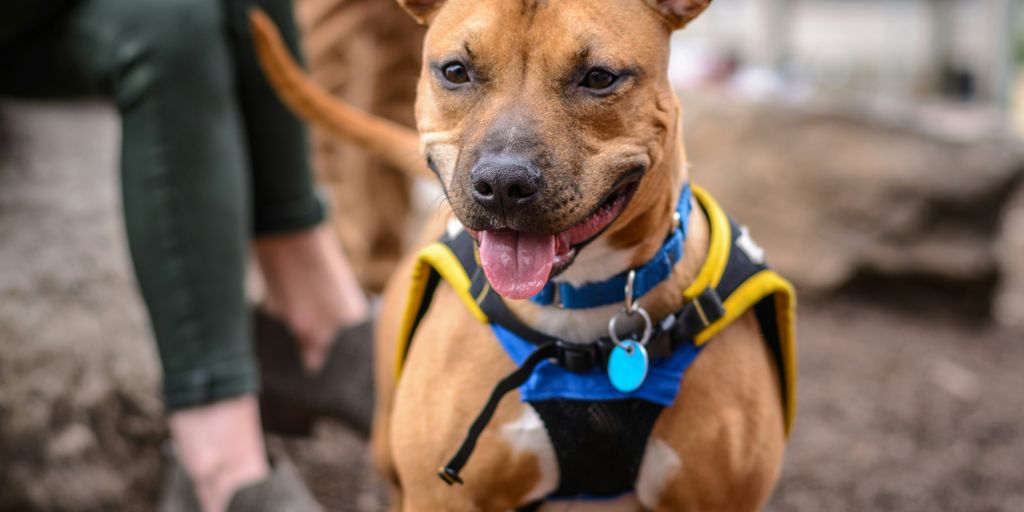
Boxers are a popular breed, known for their loyalty and fearlessness. They thrive when mentally stimulated and active, making them social dogs. Professional training is often recommended due to their confident nature. They adapt well to family life but need an active lifestyle.
Boxers are great dogs, but they need a job to do. I remember when we got Buster, our boxer. He was a whirlwind of energy. We quickly learned that a bored boxer is a destructive boxer. We started agility training, and it was a game changer. He loved the challenge, and it gave him an outlet for all that energy. Plus, it was a great way for us to bond. Boxers need consistent training and socialization to be well-behaved companions.
Boxers are naturally protective, so early socialization is key to ensure they’re comfortable around strangers and other animals. Without proper training, their protective instincts can sometimes lead to unwanted behaviors. A well-trained boxer is a joy to be around, but an untrained one can be a handful.
Here’s a quick look at what you can expect from a Boxer:
- Loyal and protective
- High energy levels
- Intelligent and trainable
- Prone to separation anxiety if left alone too long
Boxers are also known for their goofy personalities. They love to play and can be quite comical. They’re also very affectionate and form strong bonds with their families. If you’re looking for a dog that will keep you entertained and loved, a boxer might be the perfect fit. Just be prepared to put in the time and effort to train them properly. You can start by understanding triggers to help them remain calm.
Here’s a quick overview of the Boxer breed:
| Characteristic | Description |
|---|---|
| Height (Male) | 57–63 cm |
| Height (Female) | 53–60 cm |
| Weight (Male) | 27–32 kg |
| Weight (Female) | 25–29 kg |
| Lifespan | 10–12 years |
| Temperament | Confident, Friendly, Loyal |
14. Bichon Frise
Bichons are those fluffy, white dogs that always seem to be smiling. They’re known for being cheerful and affectionate, which makes them great family pets. But how trainable are they? Well, it’s a bit of a mixed bag. Bichons are smart dogs, but they can also be quite independent.
They respond well to positive reinforcement, so treats and praise are your best friends during training. Consistency is key, as they can be a little stubborn at times. Early socialization is also important to ensure they get along well with other dogs and people.
Bichons Frises are sensitive souls. Harsh training methods will backfire, so keep things light and fun. Short, frequent training sessions work best to hold their attention. Think of it as a game, and they’ll be much more willing to participate.
Here’s a few things to keep in mind:
- Start training early. Puppy classes are a great way to socialize your Bichon and teach basic commands.
- Use positive reinforcement. Treats, praise, and toys can all be effective motivators.
- Be patient and consistent. Bichons can be stubborn, so don’t get discouraged if they don’t learn something right away.
- Keep training sessions short and fun. Bichons have short attention spans, so it’s important to keep them engaged.
While they might not be the easiest breed to train, with patience and the right approach, you can definitely teach a Bichon Frise to be a well-behaved companion. Just remember to keep it positive and make it fun! You can find expert dog training tips to help you along the way.
15. English Springer Spaniel
English Springer Spaniels? Oh, they’re just bundles of joy and energy! These dogs? They always want something to do. Bred to hunt, they’ve got a real knack for retrieving and a nose that just won’t quit. This makes them awesome for all sorts of dog sports. I mean, who wouldn’t want a dog that’s always up for a game of fetch?
They’re not just athletes, though. These guys are total sweethearts. They love to play, they wag their tails like it’s their job, and they just want to be helpful. Seriously, they think carrying your wallet into the house is the best thing ever. It’s like, "Look, I’m helping!" And honestly, it’s pretty darn cute.
They’re quick learners and always eager to please, which makes training them a breeze. Plus, they thrive on having a job to do, so training sessions are a great way to keep them happy and engaged. Just make sure you’re consistent and positive, and you’ll have a well-behaved and loving companion in no time.
Here’s why they shine:
- They’re super smart and pick up commands quickly.
- They’ve got tons of energy, so they’re always ready for a training session.
- They’re eager to please, which makes them super cooperative.
With their intelligence and eagerness, training a Springer Spaniel can be a really rewarding experience. You’ll be amazed at how quickly they learn and how much they enjoy working with you. It’s a great way to bond and build a strong relationship with your furry friend. They are always looking for a task to do.
16. Weimaraner
Weimaraners are known for their intelligence and energy. They need consistent training and plenty of exercise to thrive. These dogs were originally bred for hunting, so they have a strong prey drive and need an outlet for their energy. I remember when my neighbor got a Weimaraner; he thought it would be a chill dog, but boy, was he wrong! That dog needed constant activity.
- Early socialization is key to help them become well-adjusted.
- Positive reinforcement works best, as they can be sensitive.
- Consistent boundaries are important to manage their energy.
Weimaraners can be prone to separation anxiety if left alone for too long, so it’s important to provide them with plenty of mental and physical stimulation. Consider enrolling them in obedience classes to keep them engaged and well-behaved.
They are also super smart, which means they can learn a lot of tricks and commands. Training sessions should be fun and engaging to keep their attention. If you’re looking for a dog that’s up for anything, a Weimaraner might be a good fit, but be prepared to put in the work!
17. Newfoundland
Newfoundlands, often called "gentle giants," are known for their calm and patient nature. This makes them relatively easy to train, especially when using positive reinforcement techniques. They’re eager to please and respond well to consistent training. However, their large size means early socialization and obedience training are essential to ensure they develop into well-mannered adults.
- Early socialization is key to prevent shyness or fearfulness.
- Consistent training helps manage their size and strength.
- Positive reinforcement works best due to their sensitive nature.
Newfoundlands are naturally inclined to rescue and protect, so channeling this instinct through training can be incredibly rewarding. They excel in water rescue and other activities that allow them to use their strength and intelligence.
Training a Newfoundland requires patience and understanding of their unique traits. Focus on building a strong bond through trust and positive interactions. Remember to start early and be consistent with your commands. With the right approach, you’ll have a loyal and well-behaved companion. It’s important to start training a Newfoundland early to ensure they grow into well-behaved pets.
18. Shih Tzu
Shih Tzus, those adorable little lion dogs, might not be the first breed that springs to mind when you think about highly trainable dogs, but don’t let their fluffy appearance fool you. They’re definitely smart cookies, even if they have a bit of an independent streak.
- They can be a bit stubborn, so patience is key.
- Positive reinforcement works wonders – think treats and praise.
- Consistency is crucial; they need to understand what you expect from them.
Training a Shih Tzu is more about building a partnership based on mutual respect and understanding. It’s not about forcing them to obey, but rather encouraging them to want to please you. With the right approach, you can definitely teach an old dog new tricks, even if that dog is a Shih Tzu.
With consistent training, you can unlock your dog’s potential for happiness and good behavior dog training.
19. Boston Terrier
Boston Terriers, those charming little gentlemen of the dog world, are known for their intelligence and eagerness to please, which makes them relatively easy to train. However, they can also be a bit stubborn, so consistency is key. I remember when my neighbor got a Boston Terrier puppy, Max. He was adorable, but housebreaking was a challenge! She quickly learned that a firm but gentle approach worked best.
- Start training early.
- Use positive reinforcement.
- Keep training sessions short and fun.
Boston Terriers respond well to positive reinforcement techniques. Harsh methods can make them shut down, so keep training upbeat and rewarding.
Consistency is crucial when training a Boston Terrier. They thrive on routine, so establish a regular schedule for training sessions, feeding, and walks. This helps them feel secure and makes them more receptive to learning. You’ll want to make sure you use consistent daily training to prevent undesirable behaviors. Socialization is also important to ensure they grow into well-adjusted adults.
20. Miniature Schnauzer
Miniature Schnauzers are smart and affectionate dogs. If you’re looking for a smaller dog that’s also highly trainable, a Miniature Schnauzer could be a great fit. They’re generally easy to train, but they do have a bit of a stubborn streak. This means you’ll need to be confident and consistent, especially when using reward-based training methods. They can be easily distracted during training, so early socialization is key.
Miniature Schnauzers need a lot of play and a good amount of exercise. They thrive on having a job to do, so incorporating training into their daily routine can help keep them happy and well-behaved.
Here’s a quick overview:
- Average Height: 12-14 inches
- Average Weight: 12-20 pounds
- Average Lifespan: 12-15 years
- Common Characteristics: Strong-willed, smart, affectionate
Miniature Schnauzers are outgoing, friendly, and excitable, but not aggressive. They need to be taught how to politely greet guests and other animals. They love vigorous playtime and can quickly get bored with repetition, so training sessions need to be unique and challenging. They respond well to strong leaders, so don’t be afraid to teach your pup who’s boss while also providing all of their favorite things (treats, food, and affection). Consistency is key when training your dog to stay dog to stay.
21. Havanese
Havanese dogs are known for being affectionate and joyful. Their happy personalities shine through, and they’re pretty smart too.
These little guys love to please their owners and will pick up tricks quickly if you show them how clever they are. They thrive on attention and encouragement.
Think about it, training a new dog can be a fun experience.
Here’s a few things to keep in mind:
- They’re eager to please.
- Positive reinforcement works wonders.
- Early socialization is key to avoid shyness.
Havanese are attentive and eager to please. They can become quite shy if they don’t interact with enough people and other dogs, which makes puppy school the perfect place to train them.
22. Bull Terrier
Bull Terriers are… well, they’re something else. They’re strong, stubborn, and have a unique sense of humor. Training them can be a challenge, but it’s definitely doable with the right approach. You’ve gotta be consistent and patient, and you absolutely need to start early.
Early socialization is key to making sure they play nice with others. They can be prone to aggression if not properly trained and socialized, so don’t skip this step!
Here’s the thing: Bull Terriers are smart. They just need to be convinced that what you’re asking them to do is worth their while. Positive reinforcement works wonders – think treats, praise, and maybe a favorite toy. Keep training sessions short and fun to avoid boredom.
I’ve heard that Bull Terriers respond well to clicker training, but honestly, I haven’t tried it myself. I’ve had success with basic obedience commands using treats and lots of encouragement. The most important thing is to be firm and consistent, and to never give up.
They’re not for everyone, but if you’re up for the challenge, a well-trained Bull Terrier can be an amazing companion. Just remember to establish a consistent routine and be prepared for a few laughs along the way.
23. Chesapeake Bay Retriever
Chesapeake Bay Retrievers are known for their intelligence and willingness to learn, but they also have an independent streak that can make training a bit more challenging. Early socialization and consistent training are key to success with this breed. They’re not as eager to please as some other retrievers, so you’ll need to find what motivates them, whether it’s food, toys, or praise.
- Consistency is key.
- Positive reinforcement works best.
- Keep training sessions short and engaging.
Chesapeake Bay Retrievers were bred to retrieve waterfowl in tough conditions, so they’re naturally independent and resilient. This means they need a trainer who can be firm but fair, and who understands their unique personality.
They can be a bit stubborn, but with the right approach, they can excel in obedience, agility, and other dog sports. Patience is definitely a virtue when training a Chesapeake. You might want to start with basic obedience training to establish a solid foundation. They also need plenty of exercise to burn off energy and stay focused during training sessions. A tired dog is a more trainable dog!
24. Great Dane
Okay, so Great Danes are HUGE. Like, seriously big. But don’t let their size fool you; these gentle giants can be surprisingly trainable. It’s all about starting early and being consistent.
- Early Socialization: Get them around people and other dogs when they’re young. A well-socialized Dane is a happy Dane.
- Positive Reinforcement: Treats and praise work wonders. They’re eager to please, so make training fun.
- Consistency is Key: Be firm and consistent with your commands. They need to know you mean business.
Training a Great Dane is a marathon, not a sprint. Be patient, stay positive, and enjoy the journey. You’ll end up with a well-behaved, loving companion. Plus, who wouldn’t want a giant cuddle buddy?
It’s important to remember that Great Danes can be sensitive, so harsh training methods are a no-go. Keep it positive, and you’ll be amazed at what they can learn. If you need more help, TeachDog.com encourages feedback and questions!
25. and more
Okay, so we’ve covered a bunch of breeds that are generally considered easy to train. But the dog world is huge! There are tons of other breeds out there with the potential to be awesome, obedient companions. It really boils down to individual dogs, their personalities, and how much effort you’re willing to put into training. Don’t feel like you have to stick to this list.
Remember, every dog is an individual. Even within the same breed, you’ll find differences in temperament and trainability. The key is to find a dog that matches your lifestyle and to be committed to providing consistent training and socialization.
Here are a few more breeds to consider:
- Brittany Spaniel: These dogs are eager to please and have a lot of energy, making them great for active owners who want a trainable dog breed.
- Vizsla: Known for their affectionate nature and trainability, Vizslas excel in obedience and agility.
- Miniature Poodle: Don’t let their size fool you; these little guys are smart and quick learners.
- Pembroke Welsh Corgi: Corgis are intelligent and respond well to positive reinforcement training.
Ultimately, the "best" dog breed for training depends on you. Do your research, meet different dogs, and find a pup that you connect with. With patience and dedication, you can turn almost any dog into a well-behaved member of the family.
In this section, we explore even more tips and insights to help you choose the best dog training course. Remember, the right training can make a big difference in your dog’s behavior and your relationship with them. Don’t miss out on the chance to find the perfect course for you and your furry friend! Visit our website for more information and resources to guide you in your training journey!
Final Thoughts on Choosing a Trainable Dog
In the end, picking a dog that’s easy to train can make a big difference in your life together. Breeds like the Labrador Retriever, Golden Retriever, and Border Collie are known for their smarts and eagerness to learn. But remember, every dog is unique. Training takes time, patience, and a lot of love. Even if you choose a breed that’s not on the top of the list, with the right approach, you can still teach them well. So, whether you’re a first-time dog owner or adding to your furry family, focus on building a strong bond and enjoy the journey of training together.
Frequently Asked Questions
What are the easiest dog breeds to train?
Some of the easiest dog breeds to train include Border Collies, Labrador Retrievers, and Golden Retrievers. They are known for their intelligence and eagerness to learn.
How long does it take to train a dog?
Training a dog can take anywhere from a few weeks to several months, depending on the breed, age, and the complexity of the commands being taught.
Can any dog be trained?
Yes, any dog can be trained, but some breeds are more willing to learn and adapt to training than others.
What is positive reinforcement in dog training?
Positive reinforcement is a training method that rewards a dog for good behavior, using treats, praise, or playtime to encourage them to repeat that behavior.
How can I improve my dog’s training?
To improve your dog’s training, be consistent, use clear commands, and practice regularly. Make training fun and rewarding for your dog.
Is it too late to train an older dog?
No, it’s never too late to train an older dog. While they may take a bit longer to learn, with patience and consistency, they can still be trained effectively.